BEHIND THE SHED The allure of a garden retreat.

BEHIND THE SHED The allure of a garden retreat.

  • Words Ed Cumming
  • Photograph Charlotte Lapalus

( 1 ) The boom in shed conversions during lockdown had unforeseen consequences. Fires in sheds, garages and conservatories rose by 16% in 2020 compared with the previous year.

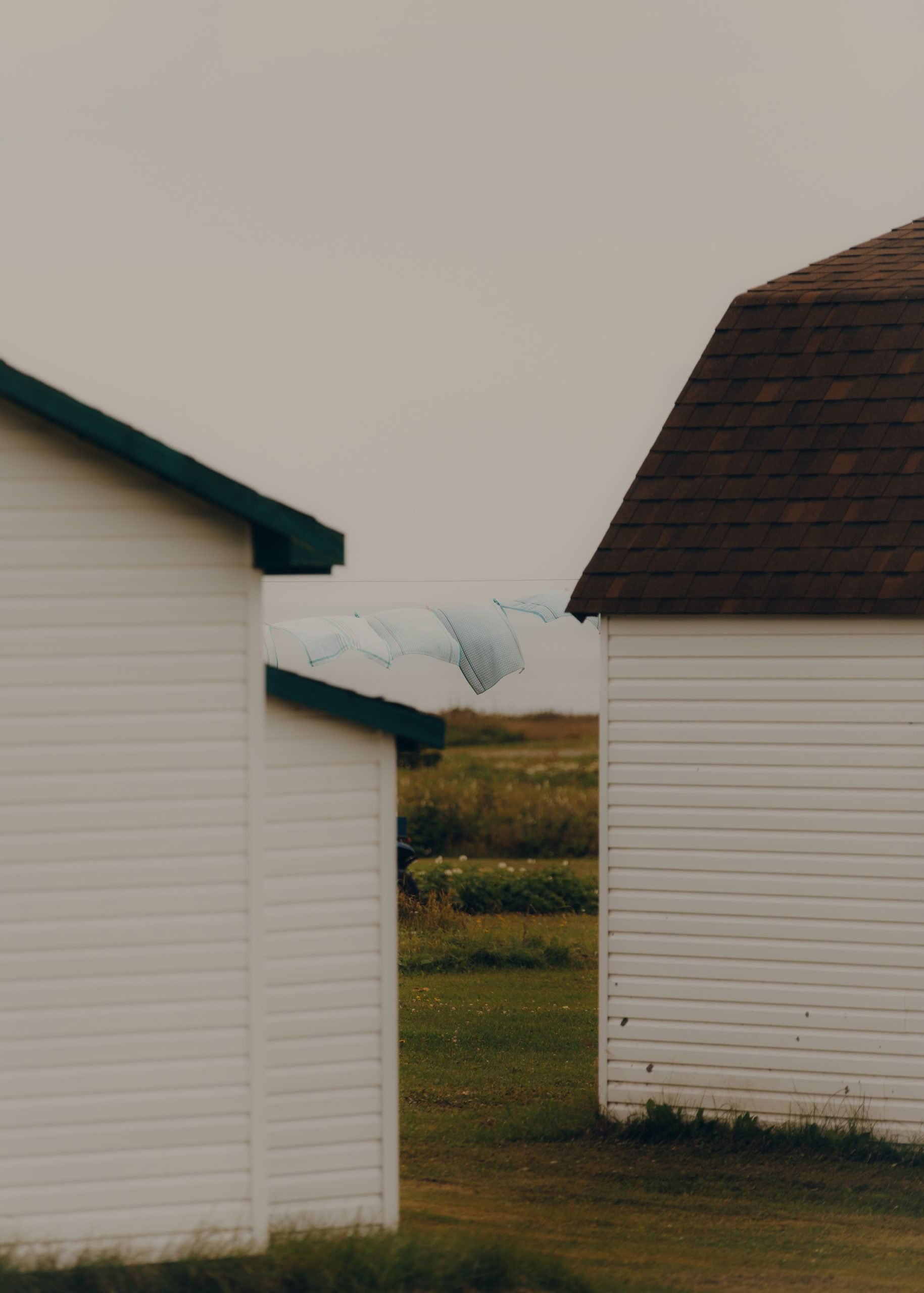
It is easy to make fun of sheds. Traditionally they have been places where men—mainly men—can indulge their more esoteric hobbies. Follies for follies. For some they are artistic or creative spaces, for writing or music or ceramics. But most are for whiling away an afternoon, for pottering rather than pottery. The architectural identity of a garden shed—liminal and impermanent, separate from the main residence—echoes its use. To go to your shed is to liberate yourself from the general bustle, and not always to play with your model train set. In the words of the author Michael Pollan, who wrote a book about building his own writing shed, it is a “temple of solitude off the beaten track of everyday life.” If a garden is a fantasy for many, a shed is a fantasy within a fantasy.

The British have a particular affinity with garden sheds: Philip Pullman, Roald Dahl and Virginia Woolf—all shed enthusiasts. Since 2007, the annual Shed of the Year competition has been a showcase of ingenuity and dedication that puts professional architects to shame. There have been sheds done up like bomb shelters, or hobbit houses, or churches. Some are practical: workshops or businesses or galleries; others are havens of tranquility and meditation. Inevitably, many are bars. In recent years sheds have sloughed off some of their fusty reputation and become more aspirational. In cramped cities, where development is heavily restricted by regulation, sheds can add square footage without planning permission. The most recent winner of Shed of the Year, Danielle Zarb-Cousin, is a model and Instagram influencer. Hardly fusty.

As working from home has become more common, so has the dream of a space to work in peace.1 Sheds are a way to preserve boundaries as the physical nature of employment evolves. If you can go to a shed to work, you can also leave work by exiting it. Alternatively, it can be a place for digital as well as physical solitude. At a time of ever-encroaching digital communications, a shed can be a space without Wi-Fi or phone signal. The man alone in his cave might be a figure of mockery, but the need to find a space of one’s own has never been more serious. 

( 1 ) The boom in shed conversions during lockdown had unforeseen consequences. Fires in sheds, garages and conservatories rose by 16% in 2020 compared with the previous year.

You are reading a complimentary story from Issue 43

Want to enjoy full access? Subscribe Now

Subscribe Discover unlimited access to Kinfolk

  • Four print issues of Kinfolk magazine per year, delivered to your door, with twelve-months’ access to the entire Kinfolk.com archive and all web exclusives.

  • Receive twelve-months of all access to the entire Kinfolk.com archive and all web exclusives.

Learn More

Already a Subscriber? Login

Your cart is empty

Your Cart (0)