HOME TOUR: VILLA VENTORUM
- Words Ali Morris
- Photos Alixe Lay
A ROMAN TRIUMPH IN MODERN BRITAIN.
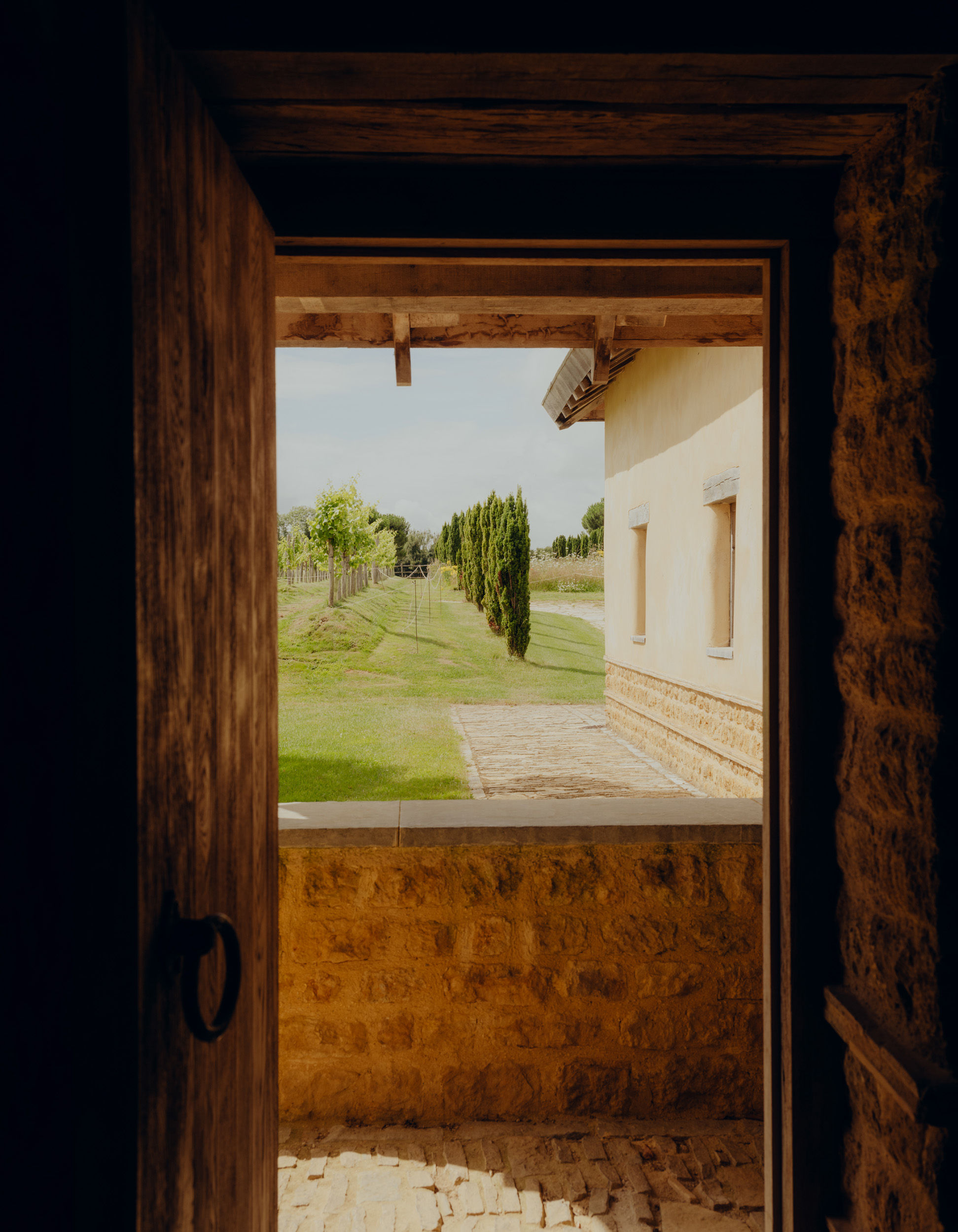
Britain was part of the Roman Empire for over 350 years, from A.D. 43 to around 410. Before the Romans invaded, the islands of Britain had no single political or cultural identity; the Romans brought with them towns, roads, military garrisons and a centralized government. Much of this was abandoned when the Romans left Britain but the occupation has left a rich archaeological legacy that can still be discovered in the UK today, from villas and towns to forts and the magnificent Hadrian's Wall.
In 1832, on a picturesque estate in Somerset, southwest England, a group of laborers came across something unexpected in the ground. In the absence of an archaeologist, they asked a local vicar, who was an amateur historian, to come and take a closer look. He was able to identify a number of Roman coins that dated to the reign of Emperor Constantius II in the 4th century, as well as what appeared to be the remains of a Roman villa—a find that would ultimately lead, after nearly two centuries of disjointed discovery, to its painstaking reconstruction.
Britain was part of the Roman Empire for over 350 years, from A.D. 43 to around 410. Before the Romans invaded, the islands of Britain had no single political or cultural identity; the Romans brought with them towns, roads, military garrisons and a centralized government. Much of this was abandoned when the Romans left Britain but the occupation has left a rich archaeological legacy that can still be discovered in the UK today, from villas and towns to forts and the magnificent Hadrian's Wall.