How to Make a ChairAnd do it on a tiny budget.
Have you ever considered building your own chair? For most people, the answer to this question would be a quick and easy No. After all, at first glance, it might seem like a daunting task—rightfully reserved for skilled woodworkers and furniture designers who have spent years perfecting their craft.
But some of these craftspeople themselves would beg to differ. The late Italian furniture designer Enzo Mari even encouraged people to “self-design”—a loose translation of Autoprogrettazione, the title of his book, in which he proposed a recipe for “making easy-to-assemble furniture using rough boards and nails.”
Originally conceived in 1974 as part of an exhibition in Milan to show how furniture is made (and to galvanize people into demanding well-designed furniture at lower prices), the book contains detailed blueprints for 19 pieces of furniture. Thanks to the simplicity of the designs, chairs, tables, a bench, a wardrobe and even a bed can be assembled from easily sourced materials and with only minimal skill required.
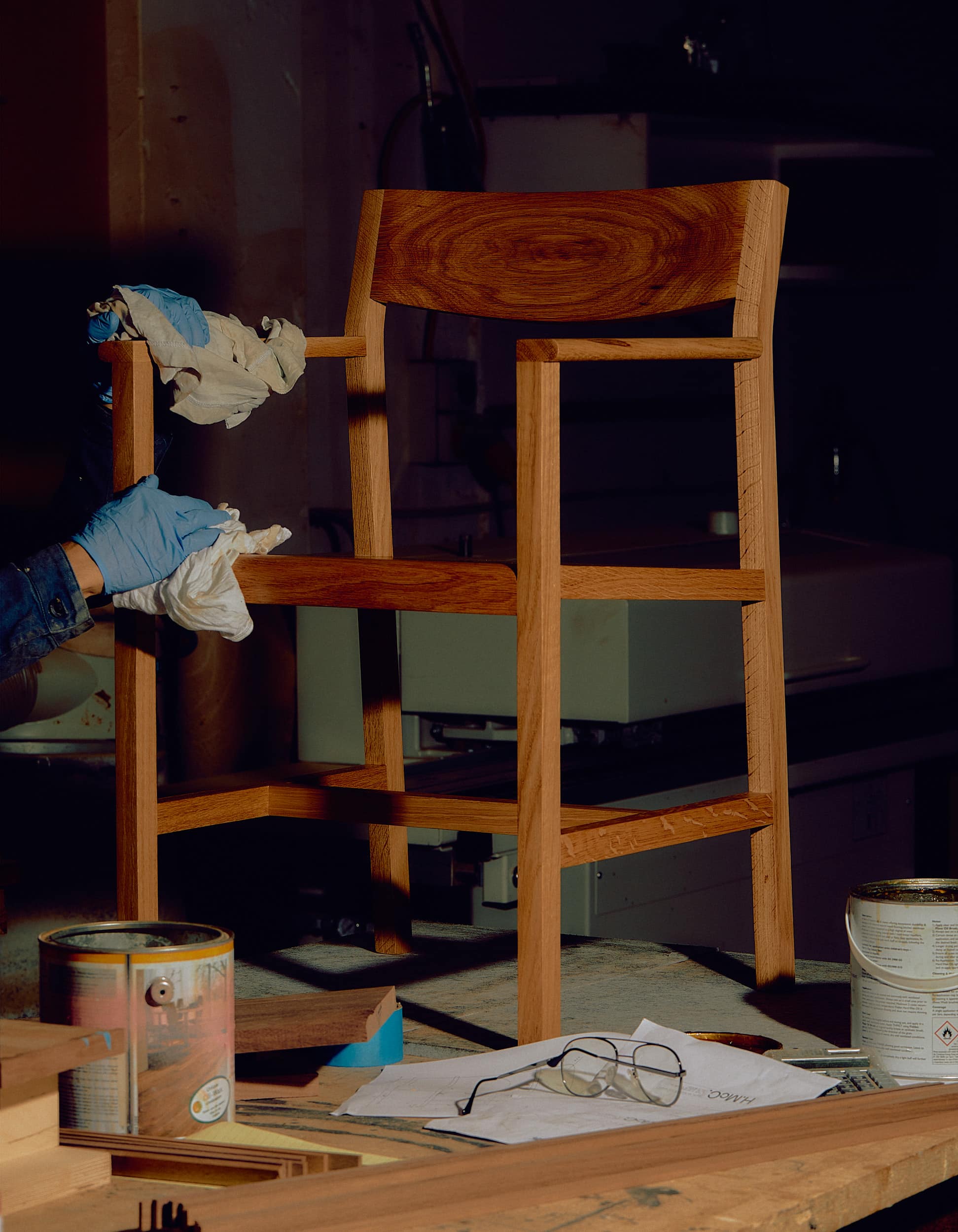
To make these pieces yourself, you’ll need a hammer, a saw, some nails and a bunch of wooden planks from your local hardware store; go for oak, pine or even inexpensive plywood. Not being all thumbs is a boon, but don’t let any lack of experience scare you off. You could try designing your very own chair, but there is plenty of inspiration to be found in either Autoprogrettazione or on online resources such as Self-Assembly—a database founded by Philadelphia-based design studio Aandersson. Online, you can find instructions for making Gerrit Rietveld’s Crate Chair and Max Lamb’s DIY Chair, for example, both of which have an assembly time of only three to four hours and on average cost under $50 in materials.
Mari claimed that it’s possible to furnish an entire apartment with a maximum of two days’ work. But before you embark on your new journey as a self-made furniture designer, beware: Even if you succeed in making something that doesn’t fall apart immediately, there’s a high chance your chair won’t look as good as the original by Rietveld or Lamb. On the other hand, sitting in a chair you’ve made with your own hands will probably feel more rewarding than any purchase you could ever make. And if all else fails, you might still end up with a newfound respect for the meticulous work that furniture designers put into even the seemingly simplest of wooden chairs. Just as Mari intended.