Janina PedanSet designer Janina Pedan discusses personality clashes in the workplace.
Janina PedanSet designer Janina Pedan discusses personality clashes in the workplace.
"I think important creative decisions are made in the process of making an object."
“People wouldn’t describe me as smiley exactly,” Janina Pedan admits with a small, self-deprecating laugh. The Ukrainian-born set designer, renowned for the hauntingly beautiful visual feasts she masterminds for style bibles like Dazed and Confused and AnOther Magazine, is a carefully considered voice in an industry often dominated by caricature-like personalities. Just don’t expect her to make small talk. “I think people find me nice, but I’m not the most sociable person on set,” she adds.
Janina’s cool head has proved an inestimable asset. Born in 1984 in the Soviet Union, she moved to London in her early 20s to study fine art at Goldsmiths, University of London, after which she briefly pursued a career in the art world. It was an experience that she would later find invaluable when navigating the egos of the fashion world. “My experience in the art world shaped me,” she says, noting the paradoxical melting pot that meshed struggling artists together with the obscene wealth of those collecting it. “Nothing in fashion has shocked me as much.”
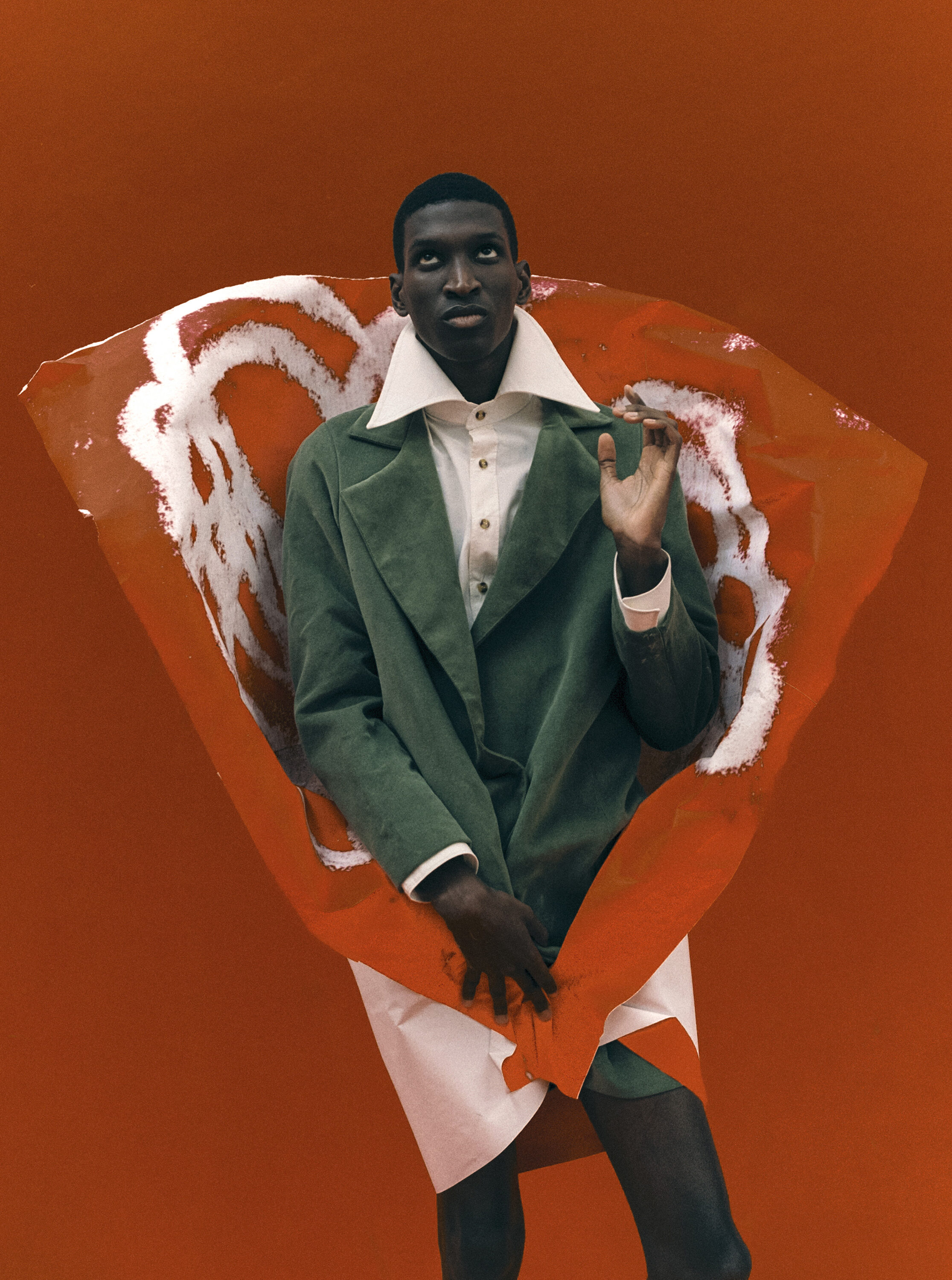
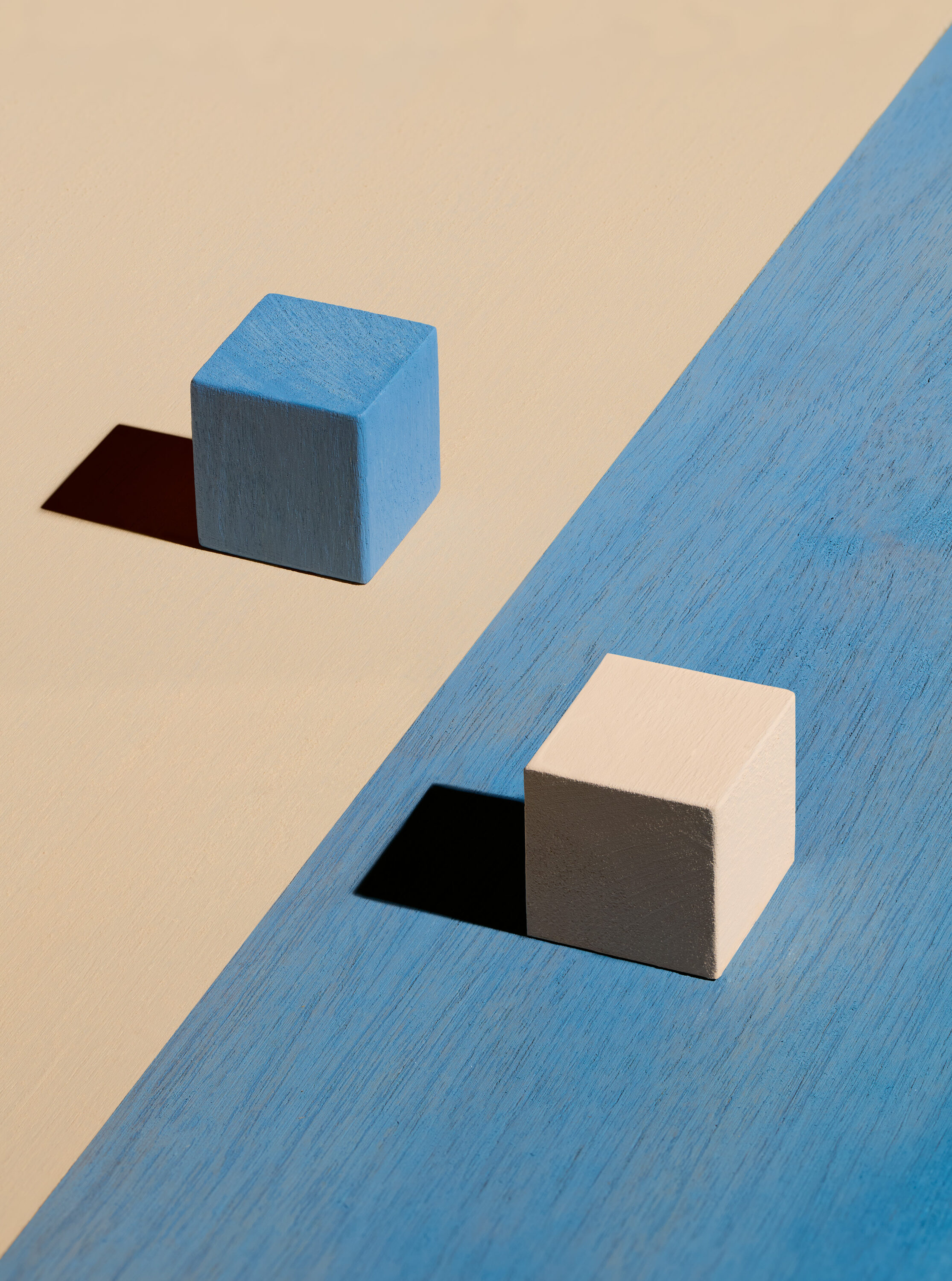
When a photographer friend asked for help on a fashion shoot, Janina crafted her first set, which, to those unfamiliar with the process, means handling everything from physical labor—creating backdrops or props—to more abstract tasks, like considering concepts and the relationship to the environment. “I’m very influenced by design and sculpture in my work which means I often custom-make furniture and sculptural objects for my sets,” Janina explains. “Spending more time in the workshop than in front of the computer is essential to me. I think important creative decisions are made in the process of making an object.”
It’s this hands-on approach that has ruffled the plumage of many a male photographer determined to micromanage her responsibilities. “My assistants and set builders tend to be women. I usually have a female team that does what may be seen as traditionally male— building sets, using power tools. There’s a lot of weird attitude. I get a lot of mistrustful comments or opinions about how we do things.”
Janina, whose exquisite eye for detail has brought atmospheric flair not only to fashion shoots but also to the shop windows of womenswear designer Simone Rocha, has always been careful to check her own ego at the door. Soft-spoken and describing herself as stable and calm, she is confident standing up for herself but tries to confront situations without escalating them further. “I’m good at telling people what I think without any drama,” she says. “For some people, that’s hard to do without it turning into a massive issue.” But she admits that it’s still difficult to challenge outlandish behavior, particularly in an industry that can operate on the assumption that practically everyone is replaceable. “The main thing I have a problem with is hierarchical attitudes, where people treat assistants as second-class citizens,” she explains. “You get some of that in fashion because there’s a lot of fictitious power, and sometimes people get really carried away with it… It’s hard to negotiate these situations,” she adds. “You have to choose your battles.”
Since her transition into fashion, Janina has worked with Vogue, Harper’s Bazaar, Vanity Fair, The Wall Street Journal and Wallpaper magazine. At this stage, she’s a fashion veteran, her freelance schedule allowing her the freedom to pick and choose jobs. As a result, she increasingly explores projects beyond the commercial fashion world, finding the most creative fulfillment through collaborations with her photographer friend Ben Toms. “Whenever we work on a project together, they’re always the most fun because we have shared interests. We explore things outside of fashion and then bring that excitement and interest into producing images,” she says.
Over the years, Janina has intentionally gravitated toward collaborating with those who have the same values. It is, she explains, best for her own well-being to be surrounded by colleagues that she respects. “People get a lot of space to behave horribly,” she says, reflecting on the fashion world and its tolerance for difficult personalities. “Things are often blown out of proportion.”
–
Photography Assistant Karin Olafsdottir