( 1 ) The Battle of Orgreave was a violent clash between police and striking miners in South Yorkshire on June 18, 1984, during the year-long miners’ strike. It became one of the defining images of Prime Minister Margaret Thatcher’s campaign to close Britain’s coal mines and weaken the unions.
ArtJeremy Deller on the power and limits of art.
ArtJeremy Deller on the power and limits of art.
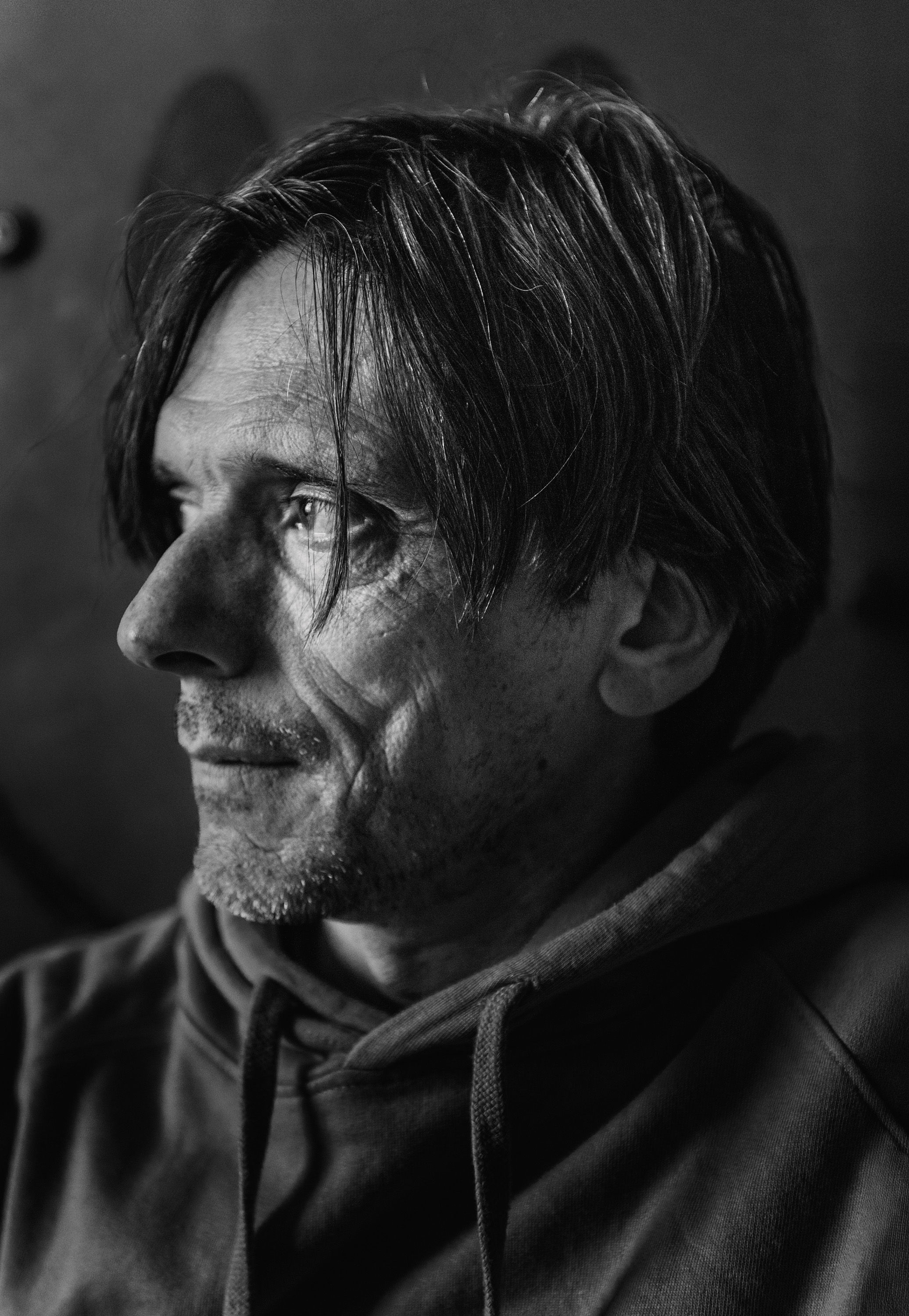
The British artist Jeremy Deller has built a career on staging events that sit somewhere between history lesson and public spectacle: a brass band performing acid-house anthems, a reenactment of the Battle of Orgreave, a procession that turns a city street into a surrealist “self-portrait.”1 His work rarely declares itself to be political, yet it returns, again and again, to the emotional life of politics—nationalism, memory and the strange choreography of crowds.
If there is a consistent idea running through his practice, it is a modest one: Art won’t change the world, but it can, at least for a moment, shift the mood and recalibrate how people move through space—together, apart, in friction, in alignment.
Emily Nathan: You’ve said you’re not a political artist, yet your work often brushes up against politics. How do you decide what to engage with?
Jeremy Deller: I’m not a politician, so I just swim around in it like everyone else. When it comes to my work, it really depends on the project. Sometimes I can make work about something that’s been bothering or intriguing me for years. Other times it’s a commission; institutions really love anniversaries. In those cases, you try to steer opportunities toward what genuinely interests you, so it’s practical in that sense. Making work is a negotiation. You try to go where your interests are, but you also go where people invite you to go.