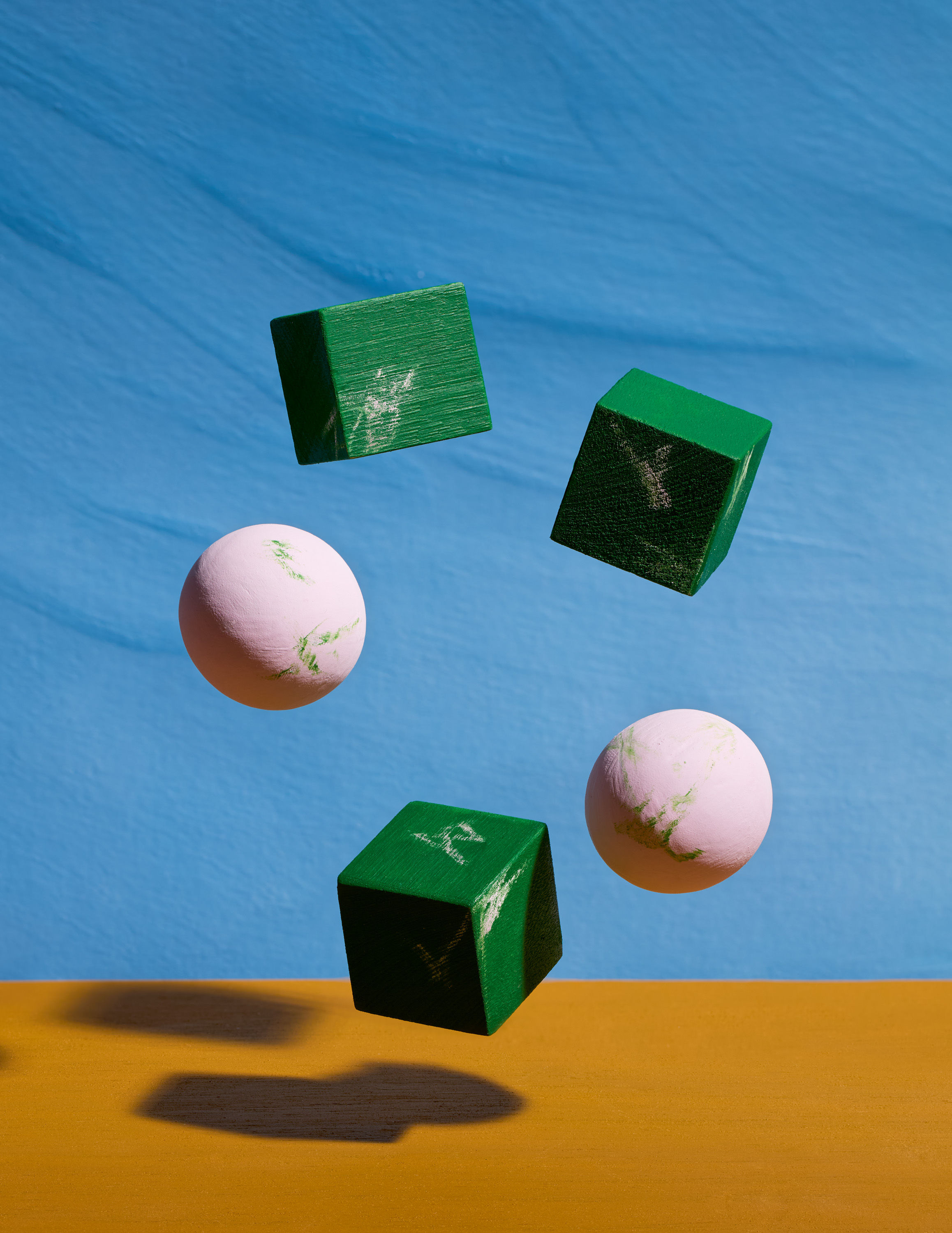
ROUGH-AND-TUMBLE PLAY Rough-and-tumble play is a key form of risky play, encompassing wrestling, chasing, play fighting and other high-energy physical interactions. These activities help develop cooperation, social awareness and an understanding of boundaries and fairness.
TAKING PLAY SERIOUSLY
- Words Ellen Peirson-Hagger
- Photos Aaron Tilley
A conversation with the National Institute for Play.
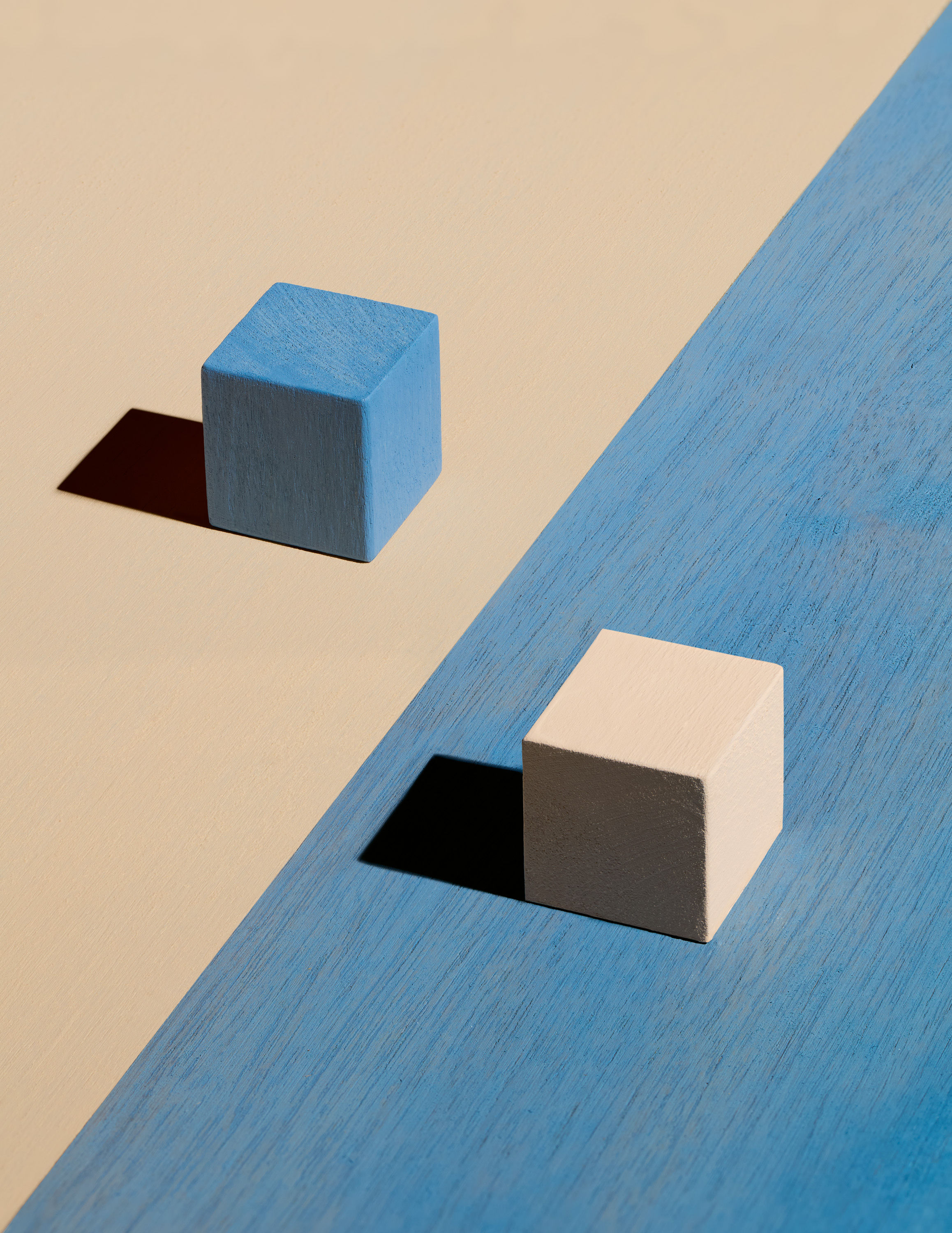
COMPETITIVE PLAY Competitive play is shaped by the pursuit of challenge, performance and achievement. It engages the desire to test limits, refine skills and strive toward measurable goals. Those who like to compete access the energy and exhilaration of play through games with rules, structure and scoring.
In 1966, psychiatrist Dr. Stuart Brown was appointed by the governor of Texas to investigate a mass shooting at the state university—at the time the deadliest in American history. Brown realized there could be a connection between the gunman’s actions and his oppressive childhood, which had been dominated by his controlling father. He would go on to spend the following decades showing that the need for play is biologically hardwired into the brain stem—the part of the nervous system that governs our essential functions like breathing and heart rate.
“When we’re deprived of play, it can be similar to being deprived of sleep and nutrition and connection—the things that fundamentally make us human,” explains Mia Sundstrom, Dr. Brown’s granddaughter and the CEO of the National Institute for Play—a nonprofit organization Brown established in 1994 to champion play as a public health necessity. “I grew up through play,” she says, “and have firsthand seen the benefits of it.”
Appointed to her role earlier this year, her mission at the institute is to show “how people can incorporate play into their lives to promote cognitive, social, emotional and physical health.”
Ellen Peirson-Hagger: Why is play important?
Mia Sundstrom: Here’s the paradox—and it’s why it’s so difficult to convince people that play matters: One of the core definitions of play is that it’s purposeless, that it’s not done for any specific outcome. Yet there’s a ton of purpose in the outcomes we get. We have taught ourselves that play is the opposite of work, but actually play is productive, play is learning; it is not a waste of time.
EPH: What are the benefits of play?
MS: When we are in a state of play, it boosts the production of brain-derived neurotrophic factor, which is the neuroplasticity protein that helps to create new neural connections and strengthen existing pathways. Play also calms down our amygdala—our emotional processing center—meaning it takes us out of a stress response, which is great for emotional regulation. And in the case of social play, our mirror neurons—which light up when we observe the motor activity of someone else—allow us to develop the basic foundation of attunement, which is the first seedling of connection with another human being, and which in time leads to trust, to community, to belonging. So on a neurobiological level, play promotes our cognitive health, our emotional resilience and our social competence.
Physical play is obviously good for us: Exercise is healthy, whether we enjoy it or not. But we’re a lot more likely to sustain it when it’s something we enjoy, so we might as well try and find a form of physical exercise that feels like play.
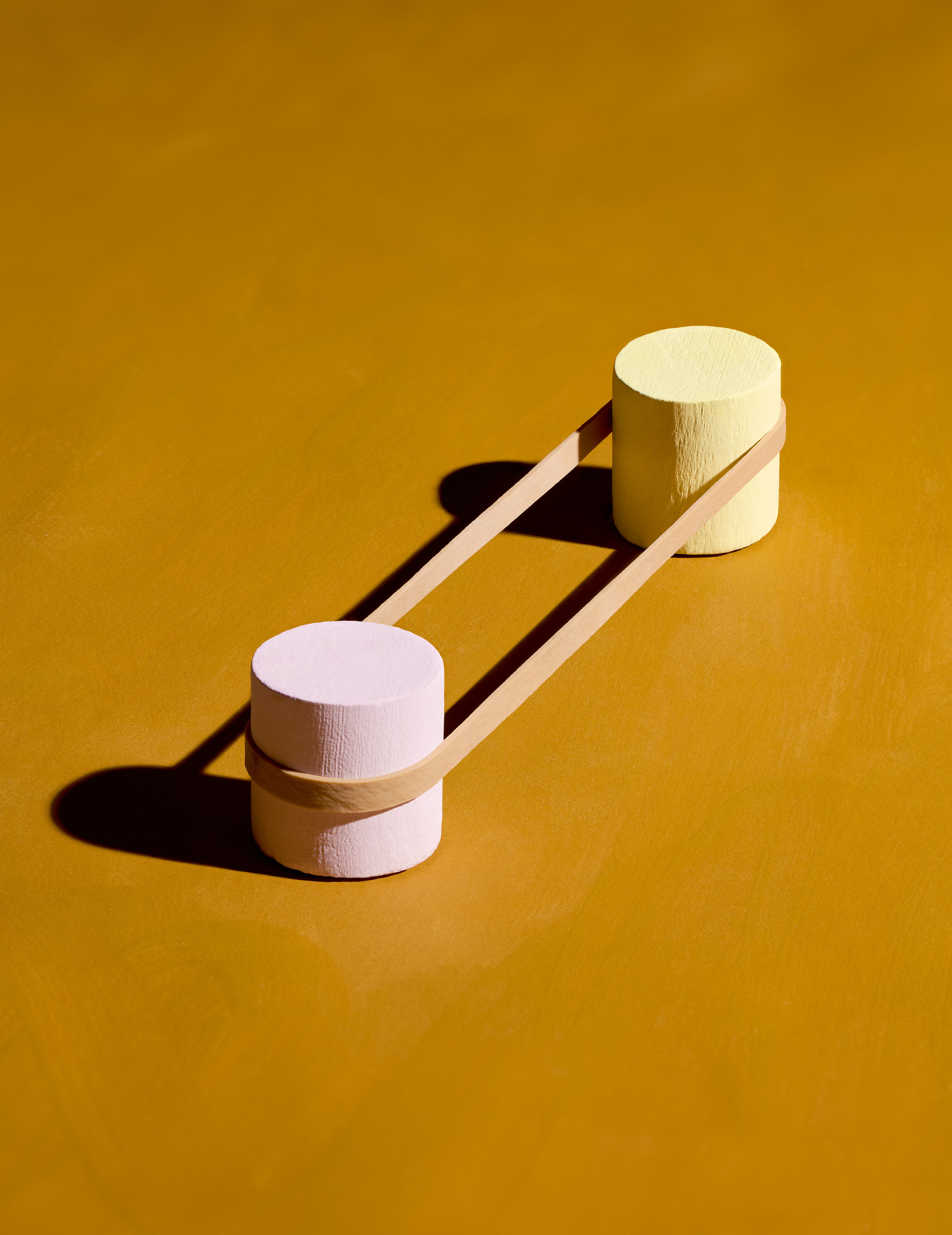
ATTUNEMENT Attunement forms the basis of all other kinds of play. When we play together, our brains begin to synchronize, creating a shared emotional and neurological rhythm that supports emotional regulation, empathy and social connection.
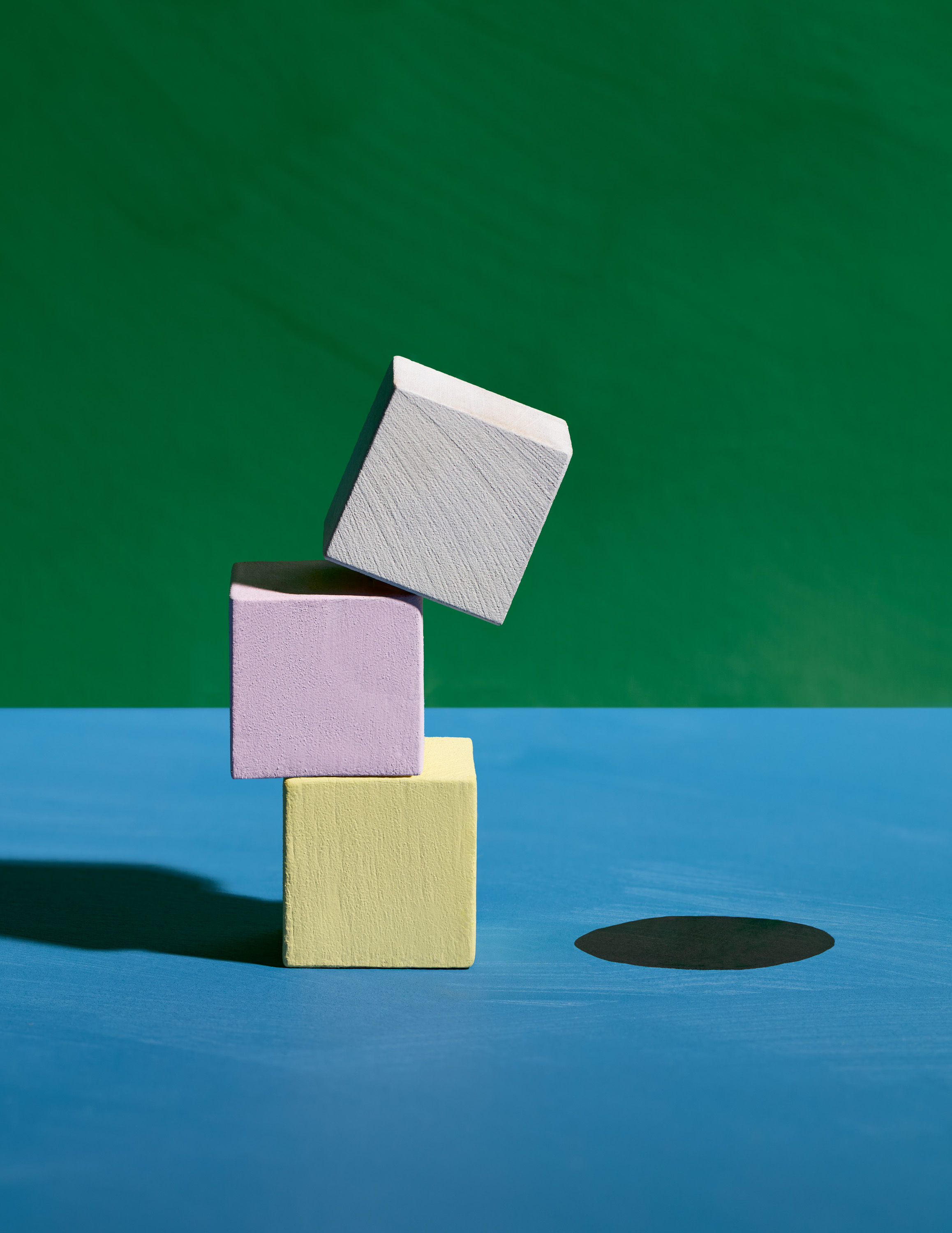
RISKY PLAY Risky play involves experiences of height, speed, uncertainty, physical intensity and manageable danger. Across cultures, children are naturally drawn to these activities not out of recklessness, but because they help develop resilience, judgment and confidence.
EPH: If we don’t play, are those things lost?
MS: When we’re play-deprived, there can be really severe consequences. It can lead to cognitive rigidity, which is when you can’t think outside the box and solve problems creatively. We have seen that a lack of play can lead to susceptibility for anxiety and depression, and toward addictive behaviors, because we try to find those things that we need from play in other forms—alcohol, drugs, social media, sugar—all these things that offer short-term relief rather than long-term benefit.
And then there’s social incompetence: As my grandpa’s research showed, when we don’t play it’s hard to build tolerance and empathy for each other because we miss that fundamental level of attunement. This leads to diminished well-being.
EPH: How does our need for play change as we become adults?
MS: There’s a misconception that it has to change like crazy, that what you do as a kid is not what you should do as an adult. But we don’t ever lose the desire to play, we’re just socialized to stop playing in certain ways. For example, as you go through grade school, the playgrounds change—there is no longer the opportunity to go down a slide at recess—and then all of a sudden you forget that you love to do that, and you might never do it again.
I don’t think adults should stop swinging, or playing at parks, or jumping on a trampoline in the backyard. We often think that we outgrow these things, but we really shouldn’t. Lego is a breaker of this rule: Lego adult sets are selling so well right now because of their connection to nostalgia and childhood. And what’s great about moving from childhood to adulthood is that the possibilities to play open up significantly: Instead of exploring your backyard with a stick and turning your cardboard box into a rocket ship, you have access to a car and a plane.
EPH: Is play different to different people?
MS: Everyone is born with a deep natural predilection for play, but that looks different for each of us. There are people who love to make things—art, music, building, tinkering with objects. There are people who love to dream or get lost in a book or movie and create imaginary worlds in their mind. There are people who love to compete, who play through mastering. There are people who love to organize—collecting new things, arranging social gatherings, even cleaning out a junk drawer. These are all different play styles, and one of the greatest gifts you can give a child is to notice what those natural tendencies are and help nourish them.
EPH: Do you think we need to take a broader view of what play is or can be?
MS: Yes! Most of the time, when I ask people “What is play to you?” they say “a board game” or “my kid’s sport.” We have confined play to this really narrow scope, when actually play is any activity that brings us into the play state, which is an altered state of being, almost dreamlike, that takes us out of the usual experience of time and space and evokes positive emotions like joy and awe. It is intrinsically motivated, not coerced, so it’s done for its own sake, and it’s self-reinforcing, so the benefits of a play state last beyond the time we’re playing.
Any activity that meets that criteria can be play—that could mean coding for someone who loves to code, or cooking for someone who loves to cook. Heck, that could even be cleaning if you put on a great song and you turn your broom into a microphone.
EPH: Why is society so resistant to play?
MS: Well, the psychologist and play researcher Peter Gray would answer by taking us back to the 16th century, when the Protestant Reformation taught us to believe in the moral virtue of work and that play, by contrast, is the breeding ground of sin. And then you throw capitalism into the mix which calls for more production, more consumption: that’s what defines success in the capitalist dream, right? Then you add in the compounding effects of automation and AI. Of course play isn’t celebrated in a world that prioritizes those things.
EPH: Has digitization played a role?
MS: We can’t prove causation, but our screens do seem to be factor in why we’re not playing. Scrolling on your screen disguises itself as play because you lose track of time, and it feels fun in the moment. But it has long-term detriments in terms of our attention span and our loneliness. If we’re scrolling, we’re not connecting with each other on a human level.
EPH: What kind of society would we have if we all played more?
MS: Play dissolves our differences and reminds us of what we have in common. Our world is so polarized, but play brings us together and is one of the most powerful ways to create a better society. Play lowers our inhibitions—I want to shout that from the rooftops. If you disagree with someone and go play with them, you’ll see the humanity in one other. It can also help combat the trends that we’re talking so much about right now—loneliness, disengagement, burnout—because play brings us back to that deep intrinsic drive to do something for a sustained period of time that makes the time pass more quickly.
EPH: What should adults do to help recover their love of play?
MS: We help adults rediscover their natural spark—their thing that makes them most curious and fully alive—and then think about small ways to reintegrate that into their life. The first step is to think back to your earliest memory of play: What was that thing you loved to do before the world told you who to be? Second, based on that, what do you love to do now—is there something that you’ve forgotten about and haven’t done for ages? Third, nothing ever works when we try to create massive changes all at once. So we say that 30 seconds is enough. See if you can add a burst of play into your morning or evening routine, based on those two things you reflected on. What’s great about play is that it’s self-reinforcing, so as soon as you give yourself that permission, it will keep you coming back for more.
EXPLORATORY PLAY Exploratory play is driven by curiosity: the urge to seek out, discover and experience the unfamiliar. It is one of the earliest and most fundamental forms of play, emerging in infancy as we begin to make sense of the world. At the beginning of life, play and exploration are almost inseparable.
“We have taught ourselves that play is the opposite of work, but actually play is productive, play is learning; it is not a waste of time.”
CREATIVE PLAY Creative play transforms imagination into something tangible. It includes making, composing, designing, building, writing and performing—any act in which new ideas take shape through active engagement.