( 1 ) The word “graffiti” was coined in 1851 to describe the inscriptions archaeologists found scratched into the walls of Pompeii. It derives from the Italian graffiare, meaning “to scratch,” and ultimately from the Greek graphein: “to write,” “draw” or “scratch.”
Bathroom BreakThe ancient art of latrinalia.
Bathroom BreakThe ancient art of latrinalia.
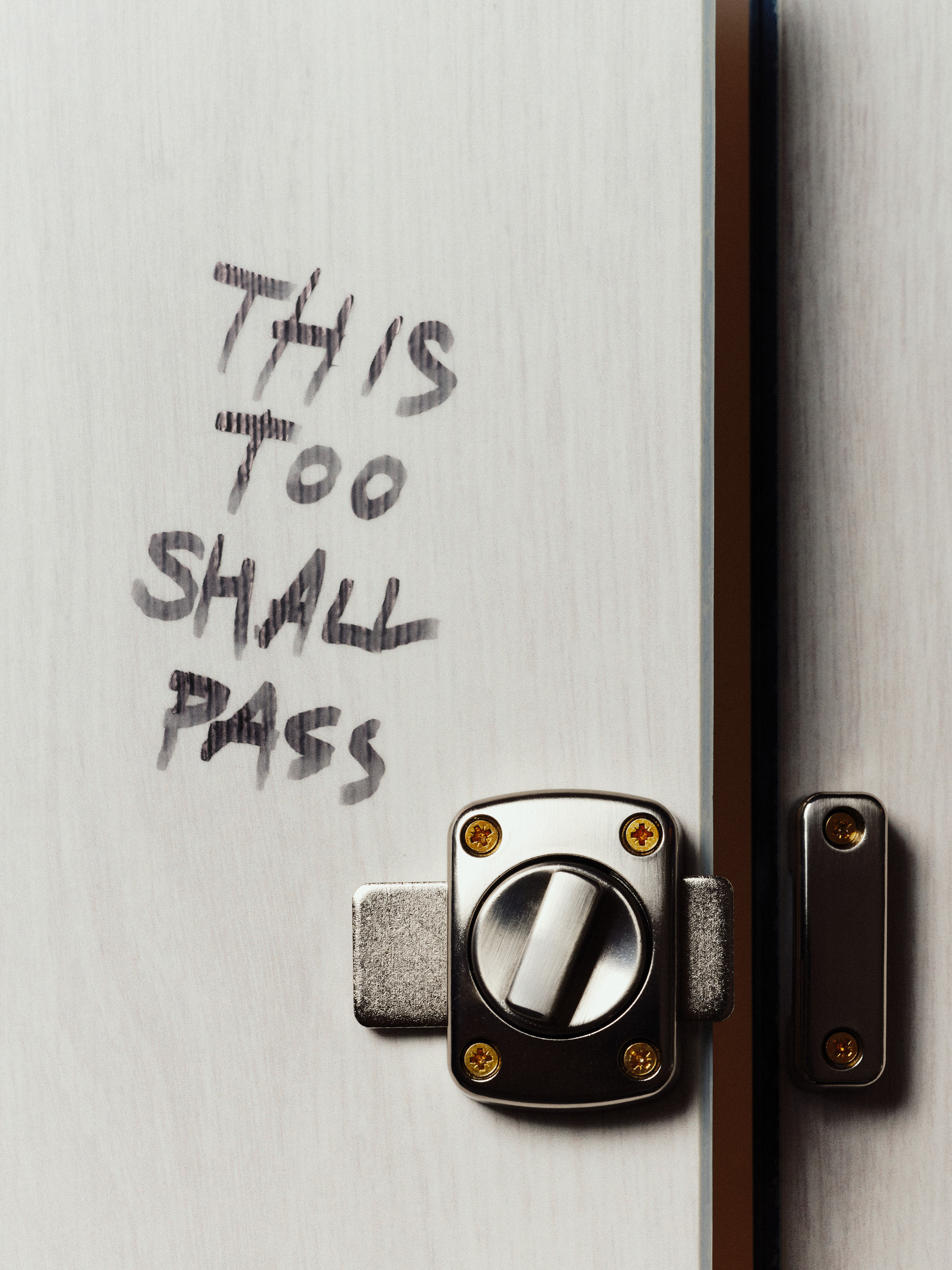
Confessions. Accusations. Propositions. Declarations of love and heartbreak. Jokes, insults, warnings, crude drawings and emotional outpourings scribbled and etched into tile and partition with whatever happens to be on hand: keys, a bobby pin, even eyeliner.
Toilet graffiti, or latrinalia—as the American folklorist Alan Dundes termed it in 1966—exists in a peculiar space between confession and performance: private in the moment, public in its afterlife. It is at once intimate and exhibitionistic, anonymous and unaccountable: a message left for no one in particular, and therefore, in a sense, for everyone.
Such graffiti can be encountered in today’s bar bathrooms and public conveniences the world over—but the impulse to create it is, in fact, far older than the bathroom stall itself. The walls of Pompeii’s communal latrines, for example, are filled with first-century insults, flirtations and crude drawings, while medieval pilgrims carved names and messages into nooks throughout roadside inns across Europe.1
Today, the bathroom stall offers something increasingly rare in modern life: a brief withdrawal from surveillance and consequence. Behind a locked door, out of sight of cameras and prying eyes, people confess things they might never admit elsewhere. There’s cruelty, certainly, but also tenderness, absurdity, insecurity and longing. In this sense, toilet graffiti offers an unusually candid portrait of collective interior life: less polished than social media and less guarded than public speech.