Betty Reid Soskin
- Words Emma Silvers
- Photos Justin Chung
Activist, community leader and the oldest park ranger in US history.

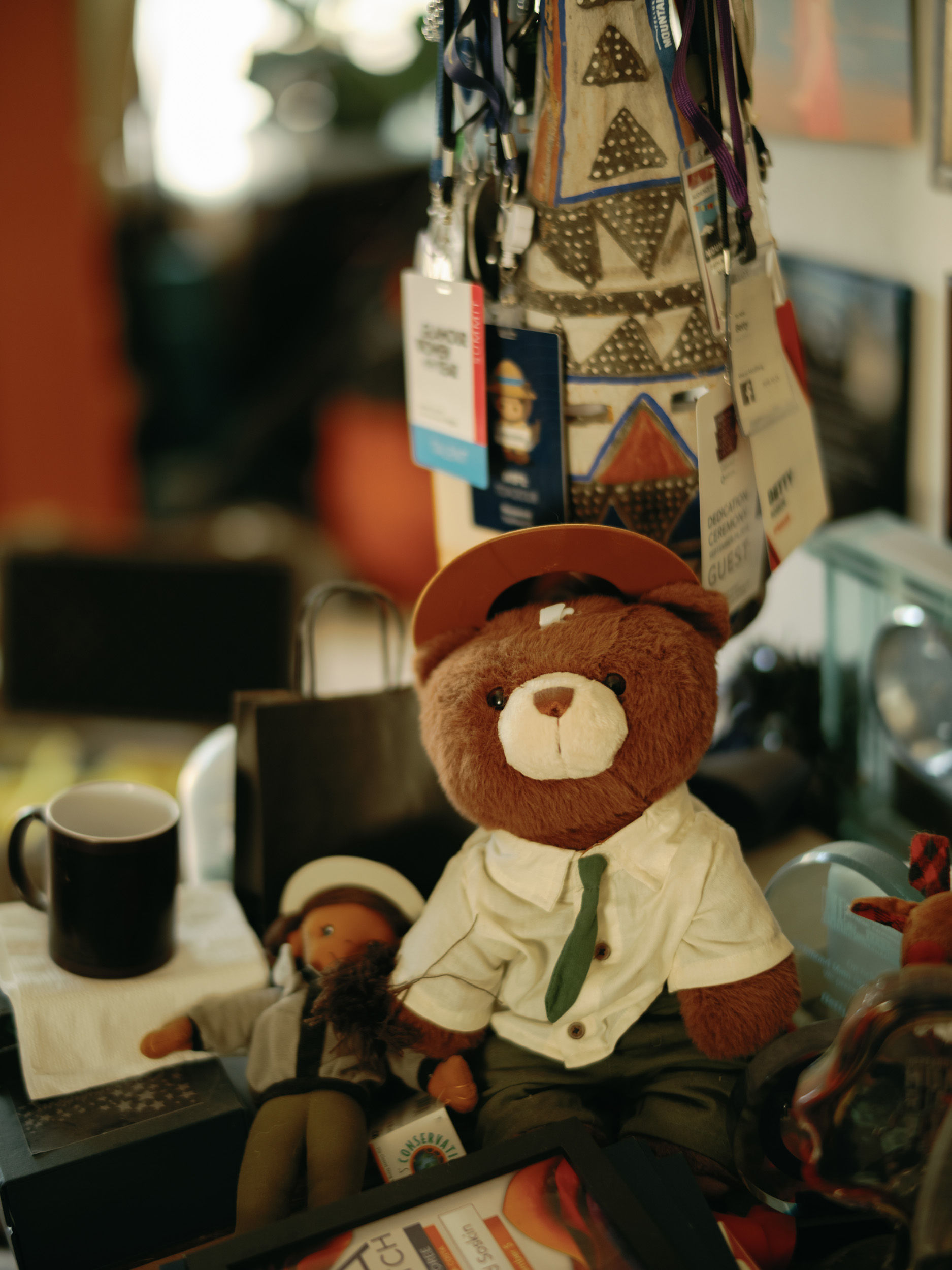
Reid Soskin’s classic National Park Service broad-brimmed “flat hat.” The hat’s archetypal shape, complete with a dome pinched into four quadrants —also known as the Montana Peak or the Montana Pinch—was inspired by dimpled hats worn by vaqueros in Mexico and the Buffalo Soldiers who protected Yosemite National Park.
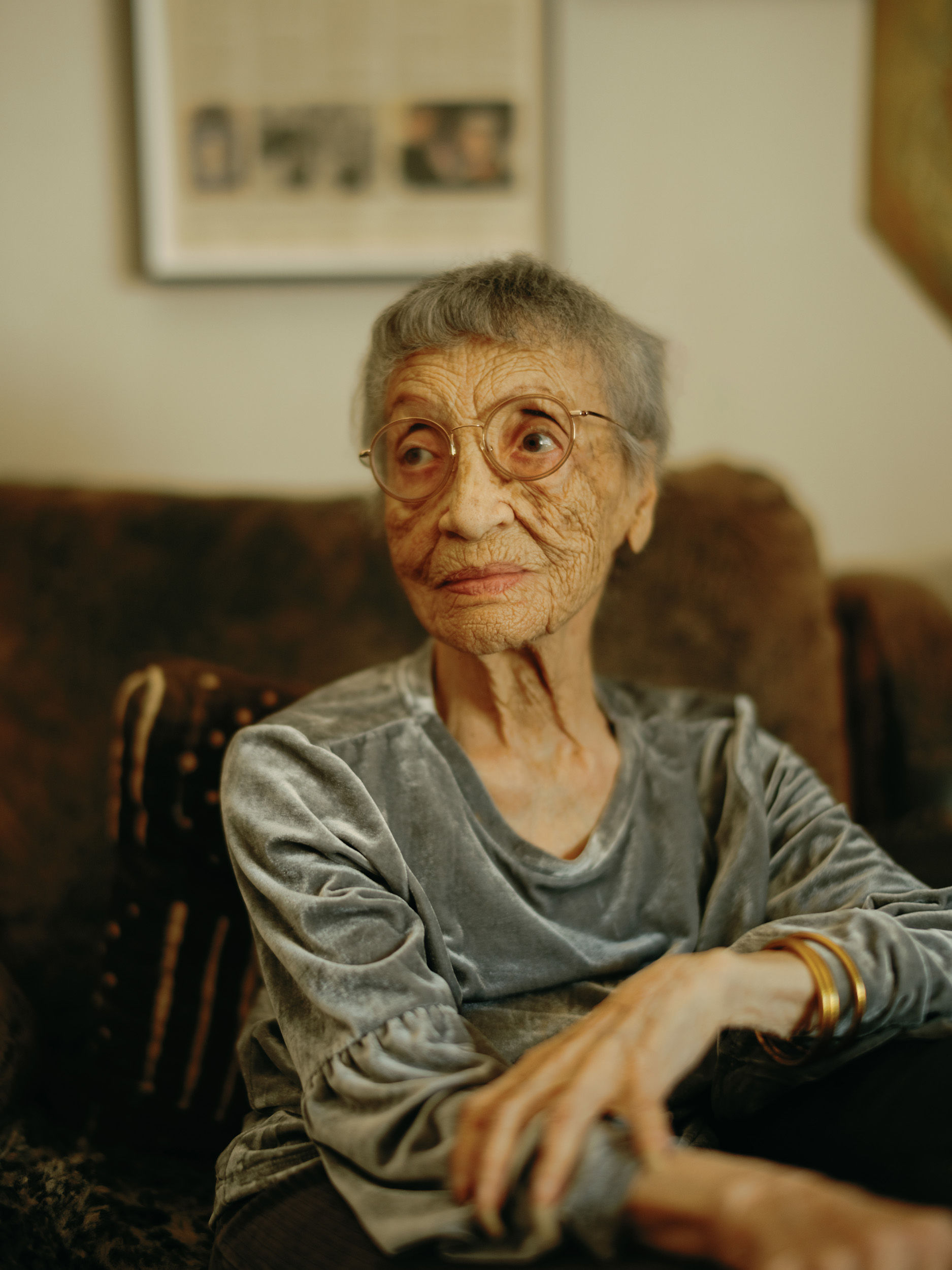
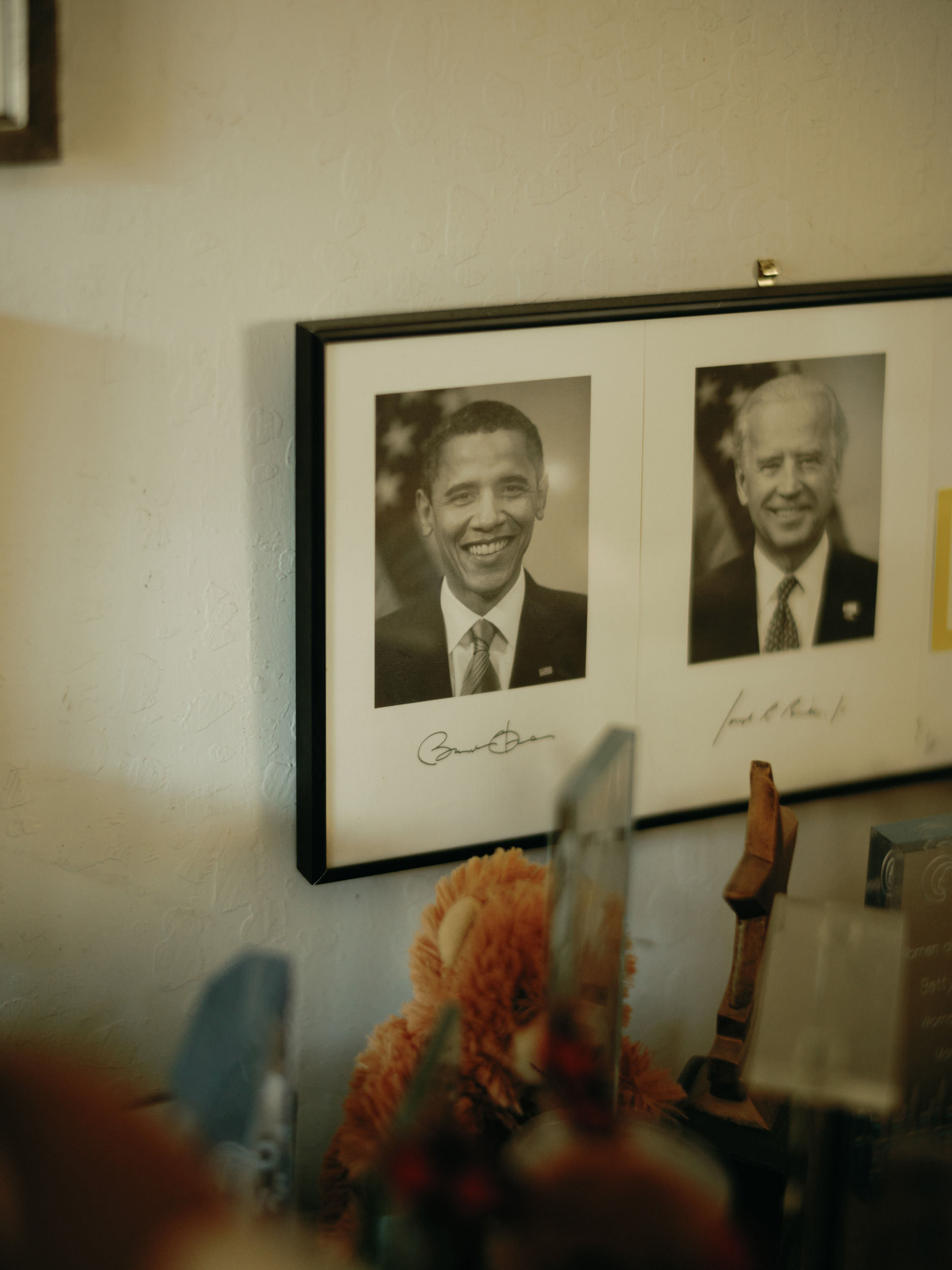
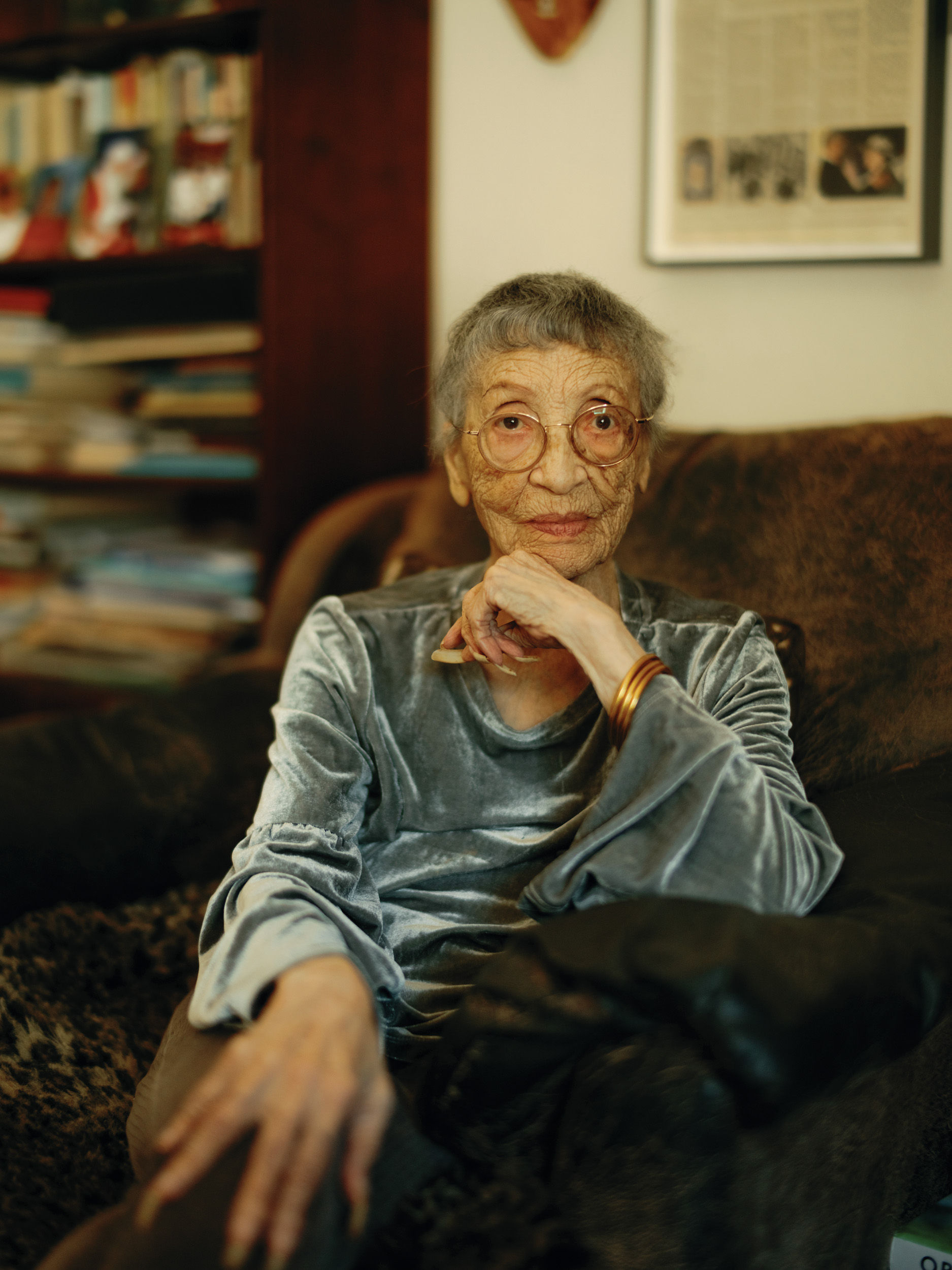
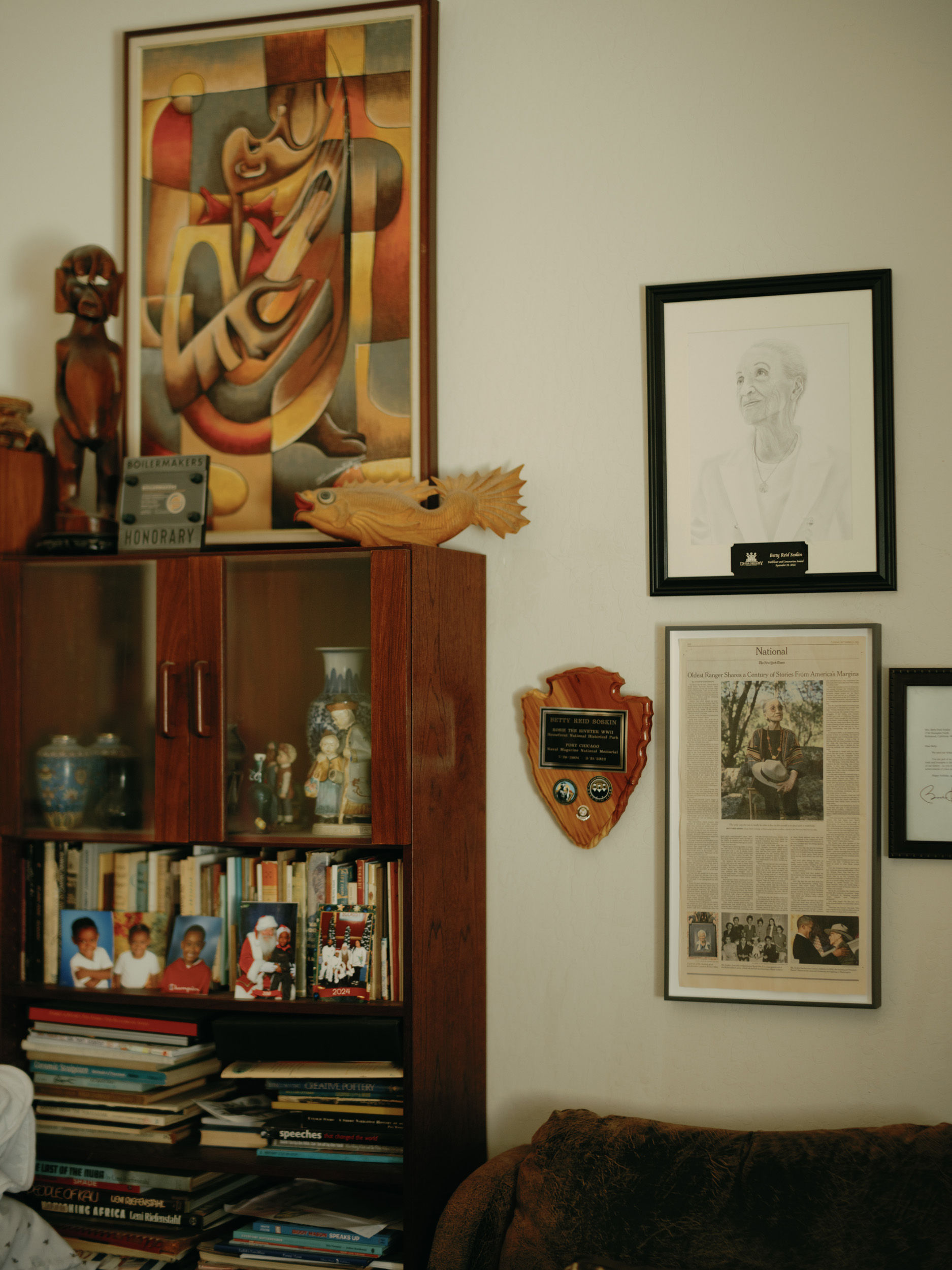
She’s been named California’s Woman of the Year, honored at the White House, recognized by Congress, and covered in The New York Times, TIME magazine and Vogue. President Barack Obama called her work “profoundly inspiring.” But for 103-year-old civil rights activist Betty Reid Soskin, past honors are just that—in the past. “I don’t plan anything. I don’t look into the past to make decisions about the future. Everything that happens to me is in the present moment—it’s always about right now,” says Reid Soskin over a video call from her home in the port city of Richmond, California.
Her casual demeanor belies an astonishing biography. She spent World War II as a clerk in the Boilermakers trade union; co-founded one of the first Black-owned music shops in California (Berkeley’s Reid’s Records) with her first husband, Mel Reid; fundraised for the Black Panthers; became a prominent community activist and songwriter after composing songs inspired by freedom fighters; raised four children; helped design Rosie the Riveter World War II Home Front National Historical Park at the site of the former Kaiser Shipyards in Richmond; and became a docent there at 85, sharing lesser-known stories of how racial segregation shaped the war effort. That made her the oldest park ranger in the US, a title she held until retiring in 2022 at the age of 100.
Emma Silvers: You were born in Detroit and lived in New Orleans as a child before your family moved to Oakland. You’ve been a Californian ever since. Did you ever consider living elsewhere as an adult?
Betty Reid Soskin: I don’t think I ever anticipated being anywhere else. I didn’t even travel out of the state until I was around 50. But ever since then, I’ve been traveling. And now, I don’t know how I would have made it had I not discovered the world. I got to see how other people handled life. There’s so much I didn’t understand until I got to see Selma, for example, and walked on the bridge to Montgomery, or when I walked into Martin Luther King’s church and stood beside his grave. And I got to return to New Orleans and stand beside the grave of the man who started my family, and realize that we had all come from this one person.
ES: You’ve said you didn’t actually “find Betty” until later in your life, after your father and ex-husbands died?
BRS: Yes, that turned out to be a real surprise. All of those men who had shaped me—because they did shape me—all of them died within three months. And at the end of those three months of grief, I suddenly woke up and found that I was no longer Betty Charbonnet, or even Betty Reid, or Betty Soskin. There was just Betty left, and she didn’t need them anymore. Everything that happened after that… I had my first real job at 50.
ES: You seem especially interested in the role names play in preserving history—you’ve spoken about how many women’s stories are lost to time because they change their names when they marry.
BRS: That was something I discovered when I was in my 80s, when I was working on my genealogy, and I found that it was impossible to follow the women. That was when I started trying to write my story, because I wanted it to not be lost.
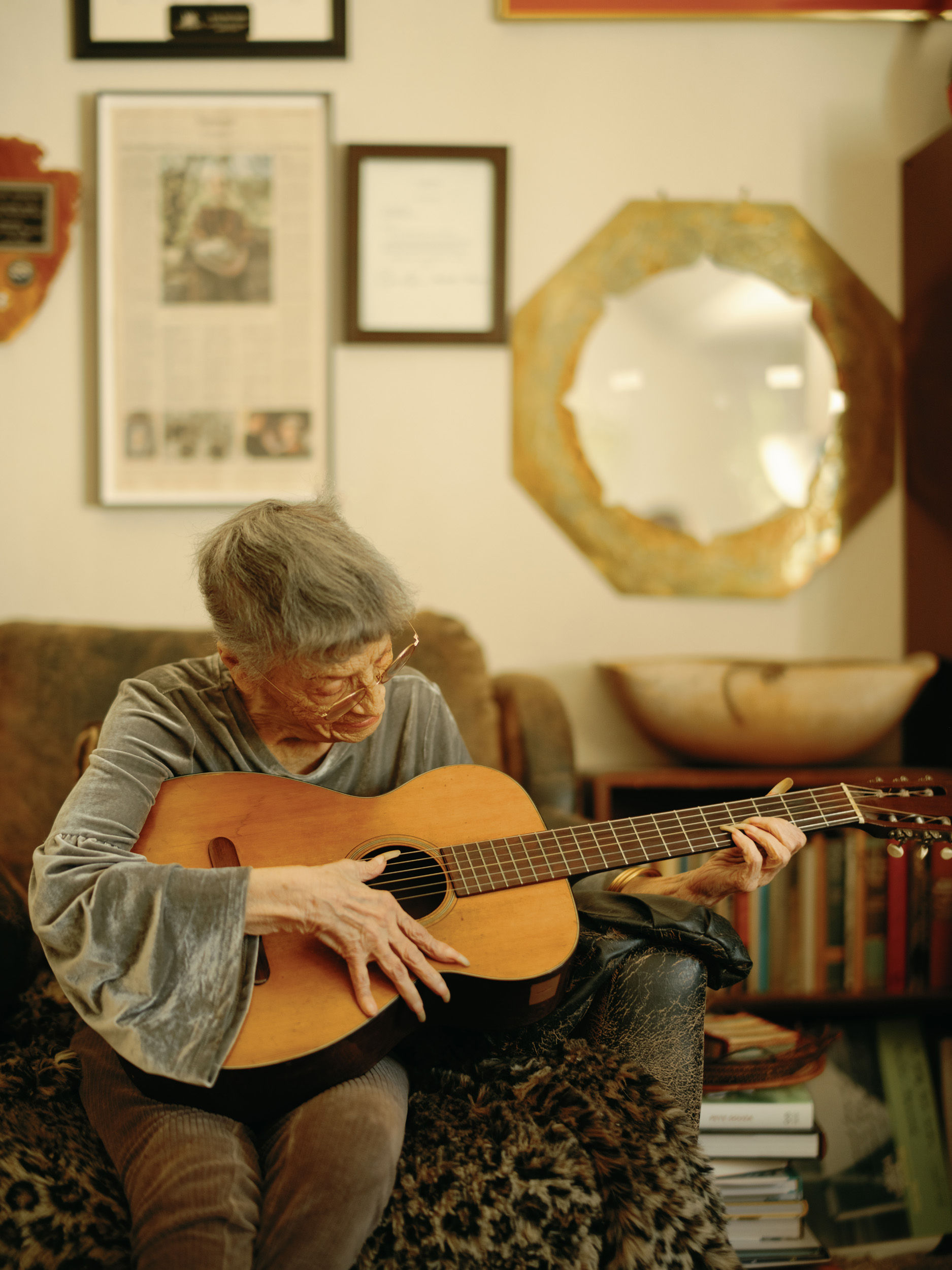
Reid Soskin is a singer-songwriter whose music was lost to old reel-to-reel spools of tape, stashed in a plastic container in the back of a closet. Filmmaker Bryan Gibel discovered the tapes while making a documentary about Reid Soskin and eventually encouraged her to take the stage in Oakland, backed by a symphony orchestra and a 200-member choir.
“I don’t think I ever anticipated being anywhere else. I didn’t even travel out of the state until I was around 50.”
ES: In your memoir, Sign My Name to Freedom, you reflect on being the only person of color at the planning table when the government was establishing Rosie the Riveter Park, dedicated to women’s contributions to the war effort during World War II—and that when it comes to national monuments, “What gets remembered is a function of who’s doing the remembering.” Tell me about becoming a park ranger at 85.
BRS: It was an accident. I never really sought out a job; I’ve always had jobs handed to me. I was in full retirement and wasn’t planning on anything, least of all being a park ranger. But I accepted a temporary position [with then-California State Assembly Member Dion Aroner], and her office was working on Rosie the Riveter Park. They were in the process of finding a real reason for establishing the park… of course, I didn’t really consider myself a Rosie at all, because [Black] women were not allowed at that time to even work in the shipyards. I never saw a ship. I worked in the office of the Boilermakers [a segregated, all-Black “auxiliary” union whose members had fewer job opportunities and less voting power than the white equivalent], and that was only because a friend of mine had come out to head up that portion of the work. But now I was meeting with the planners who had come out from Washington, and they needed to know what to do with this park. I had no idea that I knew all that I knew, but I began to work with them, and now I have a park with my fingerprints all over it.
ES: Are you following what’s happening with the Trump administration firing park rangers across the country, and defunding so
many parks?
BRS: Yes. And [because of the National Park Service’s hiring practices that prioritize veterans] I think it’s a lot of veterans. The parks have been one of the few places where veterans could find a new life, new career. So there are many, many veterans who have now lost their jobs, and I don’t know what they’re going to do. I really feel sorry for them.
ES: Looking back, is there anything that makes you feel especially proud? You’ve done a lot in 103 years!
BRS: That’s true. I think I’ve done my job, plus the jobs of some others (laughs). Meeting Obama is something I didn’t think I would ever do, and that still surprises and amazes me. But really, just that my world is filled with people I love.
ES: Do you have a belief about the afterlife?
BRS: No, I don’t. There are times when I wish there was such a thing, but I don’t know. I think that we have one chance at it, and I’ve had mine. I’ve followed mine as far as it could take me.
ES: Do you think about what your legacy will be?
BRS: I have a middle school named after me [Betty Reid Soskin Middle School, in nearby El Sobrante, California], so there are children who are going to remember who I am even when I’m gone. Kids learning about me feels like a legacy.
ES: What advice do you have for younger people as we try to navigate these complicated times?
BRS: Always follow the questions. It’s questions that lead to growth, so the questions are what’s important—the answers are always temporary.