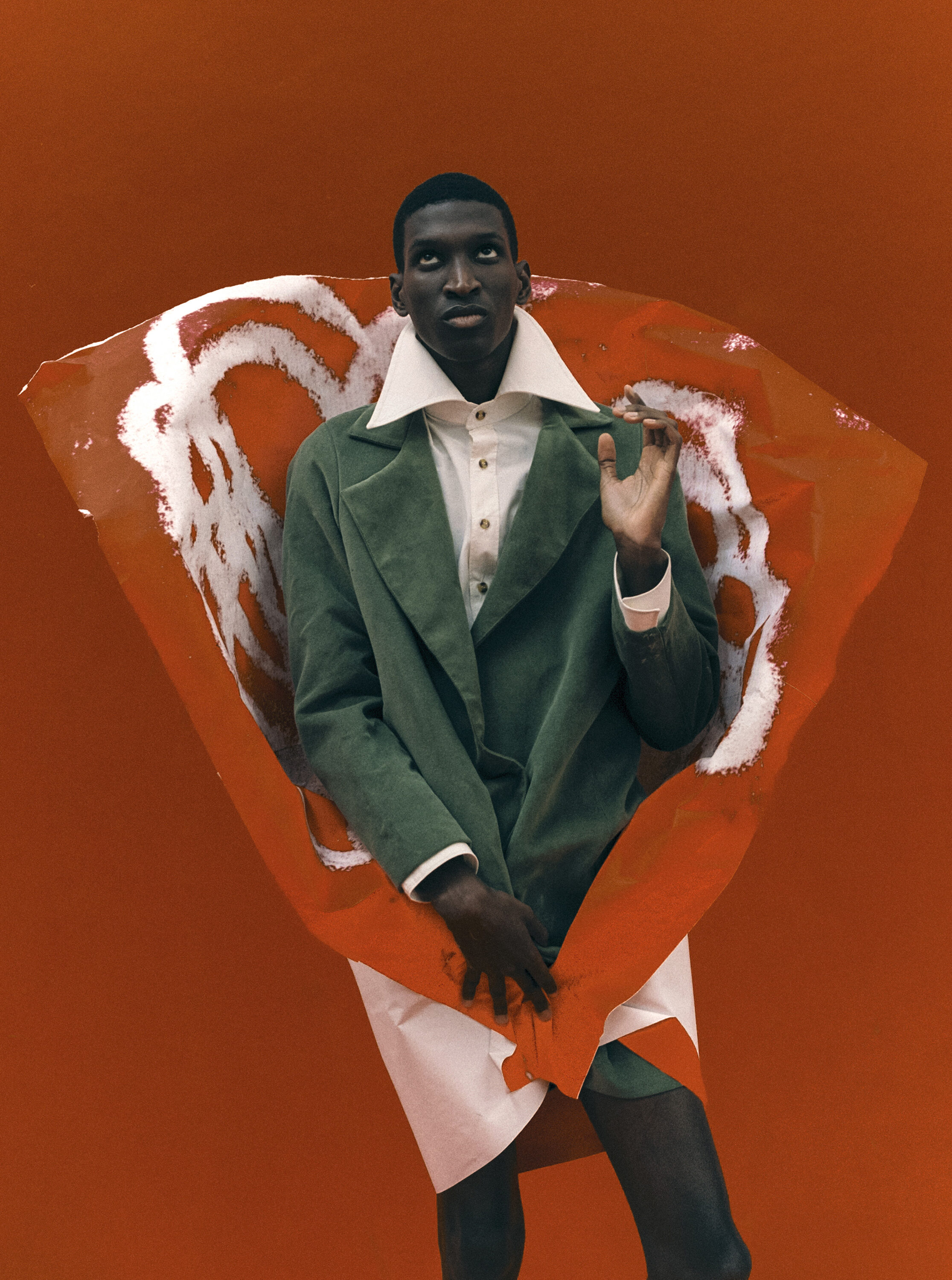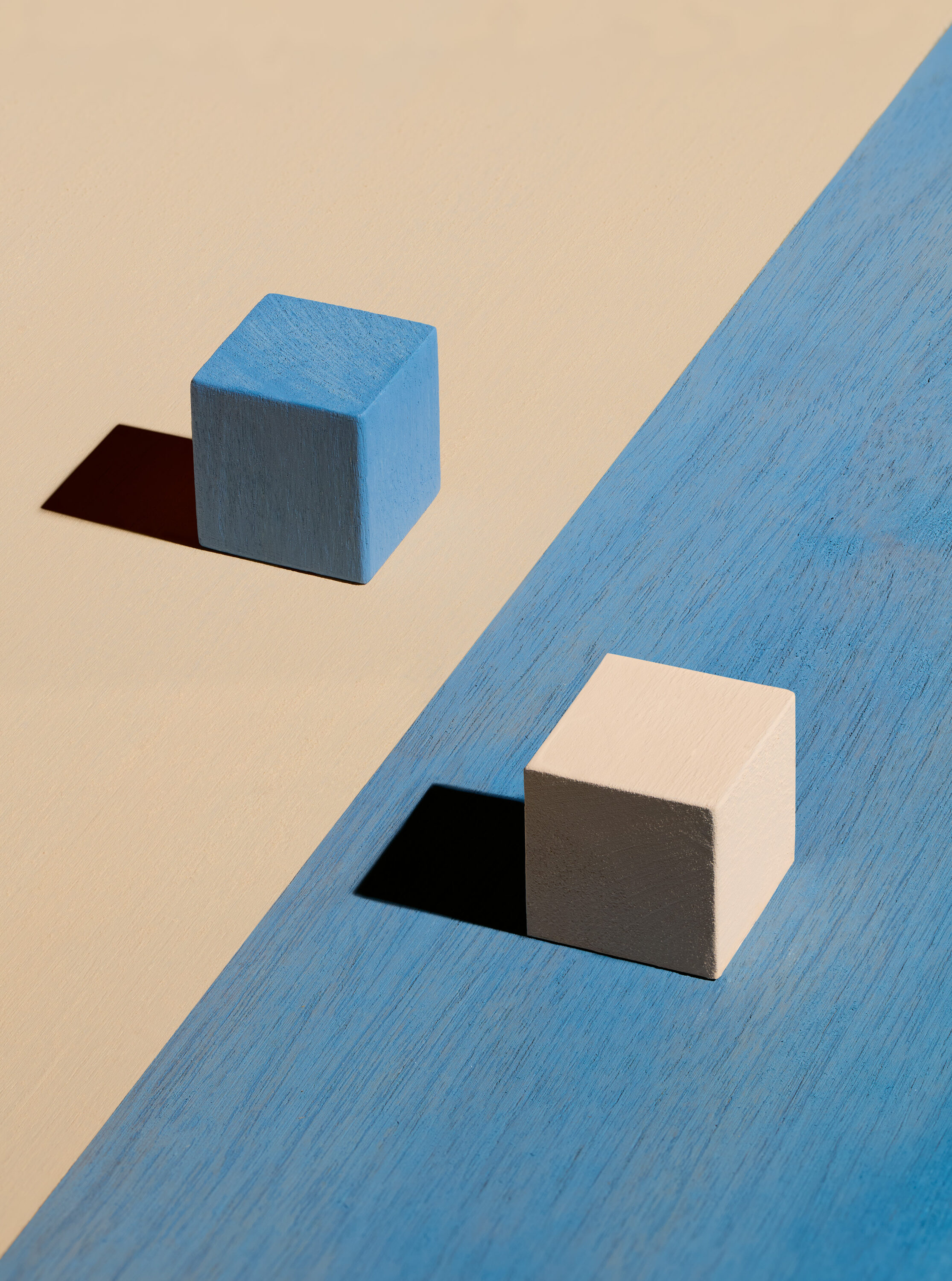
Consider the ShadowCasting darkness as a defining force.
Consider the ShadowCasting darkness as a defining force.
Twice a year, the sun reaches its zenith at the Tropic of Cancer and the Tropic of Capricorn and all shadows disappear. Residents mark this astrological phenomenon, called “Zero Shadow Day,” by gathering at solar noon and watching as the proof of their embodied presence on earth evaporates into thin air.
It is a relatively minor celestial event, far less dramatic and more frequent than, say, a solar eclipse, but it is a uniquely existentially disorienting experience—shorn of our shadow we seem to lose something of ourselves. In A Short History of the Shadow, art historian Victor Stoichita traces this feeling to the beginnings of visual representation itself. According to one Greek myth, painting was born not from light, but from absence: A young woman, desperate to preserve the image of her departing lover, traced the outline of his shadow cast against the wall. Art has been haunted by its double ever since.
To represent a shadow, Stoichita writes, is to represent presence by way of absence—it is both the sign of life and a premonition of its loss. In ancient Egypt, the shuyt, or shadow, was considered one of the five essential parts of the soul; to lose it was to lose vitality. In Islamic tradition, the shadow signifies the submission of earthly things to divine light. Across cultures, the shadow is evoked as both the most intimate proof of our existence and the most eloquent reminder of its limits, showing us who and where we are by way of who and where we are not.
Artists have long chased this tension. Caravaggio let holiness flicker through darkness, his figures emerging from shadow as if faith itself were made visible by its opposite. The Surrealists, too, gave the shadow a life of its own—elongated, disobedient, sentient. And in photography, the shadow becomes a kind of architecture: a graphic element that holds the composition together, embodying negative space the way objects embody positive. The two work in tandem to fill in the world, completing one another through contrast.