Correction On the shaky science behind Stockholm syndrome.

Correction On the shaky science behind Stockholm syndrome.

  • Words Pip Usher
  • Photograph Donaldson Collection/Michael Ochs Archives/Getty Images

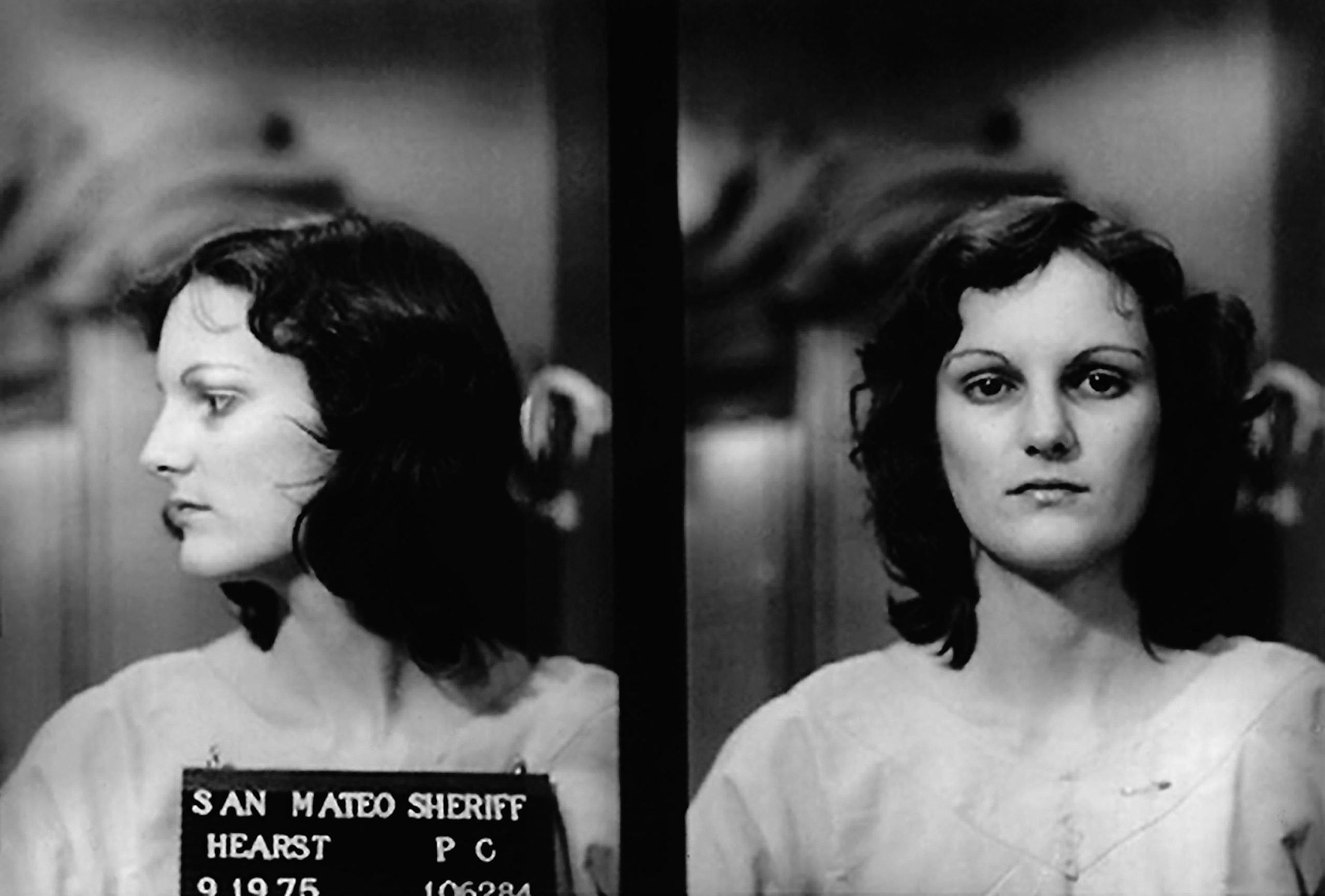
In 1974, Patty Hearst—the granddaughter of publishing tycoon William Randolph Hearst—was taken hostage by the Symbionese Liberation Army. After publicly asserting sympathy toward the SLA, she was later seen working with the group to rob banks in San Francisco and was arrested in 1975. Her plea of Stockholm syndrome did not work as a defense in court, although she was later pardoned by President Bill Clinton.

In 1973, Sweden was gripped by a sensational heist that saw four bank workers taken hostage by a criminal named Jan-Erik Olsson and an accomplice. Over the course of the six-day standoff between Olsson and the police, one of the captives—Kristin Enmark—developed a rapport with the jailers and displayed fear of the Swedish authorities attempting to free her. Following Enmark’s release, this reaction was pathologized by the psychiatrist who led the police’s efforts, and the term “Stockholm syndrome” was born.

In the years since, Stockholm syndrome has been expanded to describe any psychological condition in which a victim of abuse forms an emotional attachment to their abuser. It has been immortalized in film, from the abducted heroine who falls in love with her captor in Buffalo ’66, to an adaptation of 3,096 Days, a memoir written by an Austrian schoolgirl who spent eight years imprisoned in a cellar—and wept when she learned that her tormentor had died. Media outlets and armchair psychologists have been quick to adopt the label—applying it primarily to female victims of violence—to explain feelings of dependency and even empathy toward a perpetrator.

A recent book, See What You Made Me Do, reveals the insidious sexism that generated the term in the first place. Because Enmark criticized the police’s efforts to free her (she felt that their preferred course of action was driven by macho bravado), her anger was dismissed by their psychiatrist as a strange and irrational byproduct of a connection forged with her captors. It was a diagnosis formed without engaging in a conversation with Enmark, let alone undertaking a professional evaluation of her mental state. In short, writes author Jess Hill, it was intended to silence her so that she couldn’t embarrass the police.

In the decades since, skepticism of Stockholm syndrome has emerged. The term has not been accepted into either of the leading psychiatric manuals, and professional opinion on its existence remains divided—in fact, it is a diagnosis most often issued in the media. Its suspect backstory serves as a cautionary tale against accepting an idea without first inspecting its origins.

In 1974, Patty Hearst—the granddaughter of publishing tycoon William Randolph Hearst—was taken hostage by the Symbionese Liberation Army. After publicly asserting sympathy toward the SLA, she was later seen working with the group to rob banks in San Francisco and was arrested in 1975. Her plea of Stockholm syndrome did not work as a defense in court, although she was later pardoned by President Bill Clinton.

FREE PREVIEW

Take a look inside Issue Sixty

You are reading a complimentary story from Issue 37

Want to enjoy full access? Subscribe Now

Subscribe Discover unlimited access to Kinfolk

  • Four print issues of Kinfolk magazine per year, delivered to your door, with twelve-months’ access to the entire Kinfolk.com archive and all web exclusives.

  • Receive twelve-months of all access to the entire Kinfolk.com archive and all web exclusives.

Learn More

Already a Subscriber? Login

Your cart is empty

Your Cart (0)