Dirty Habits
A short guide to making, breaking and living with our habits.
- Words Benjamin Dane
- Photos Aaron Tilley
- Set Design Sandy Suffield
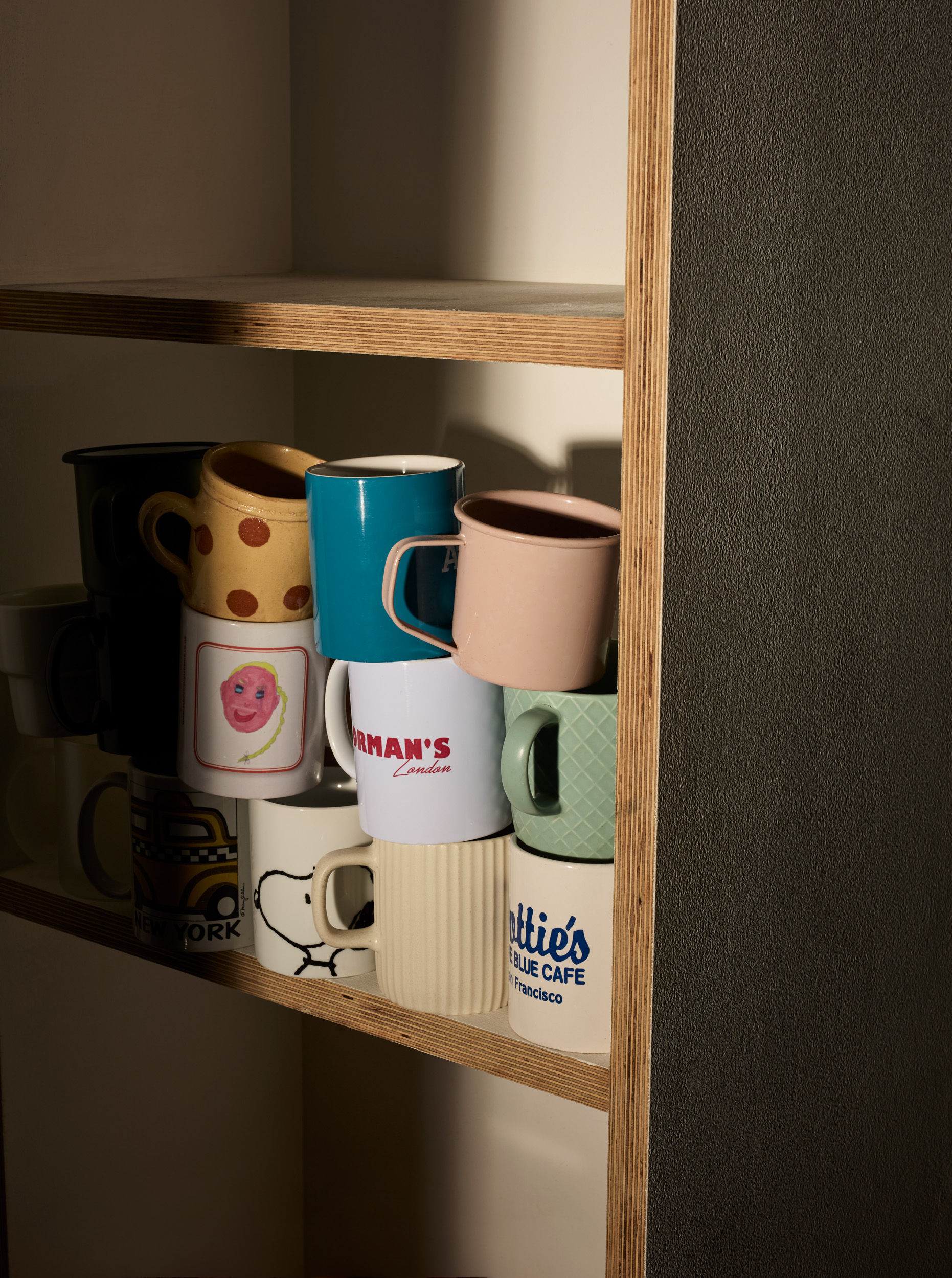
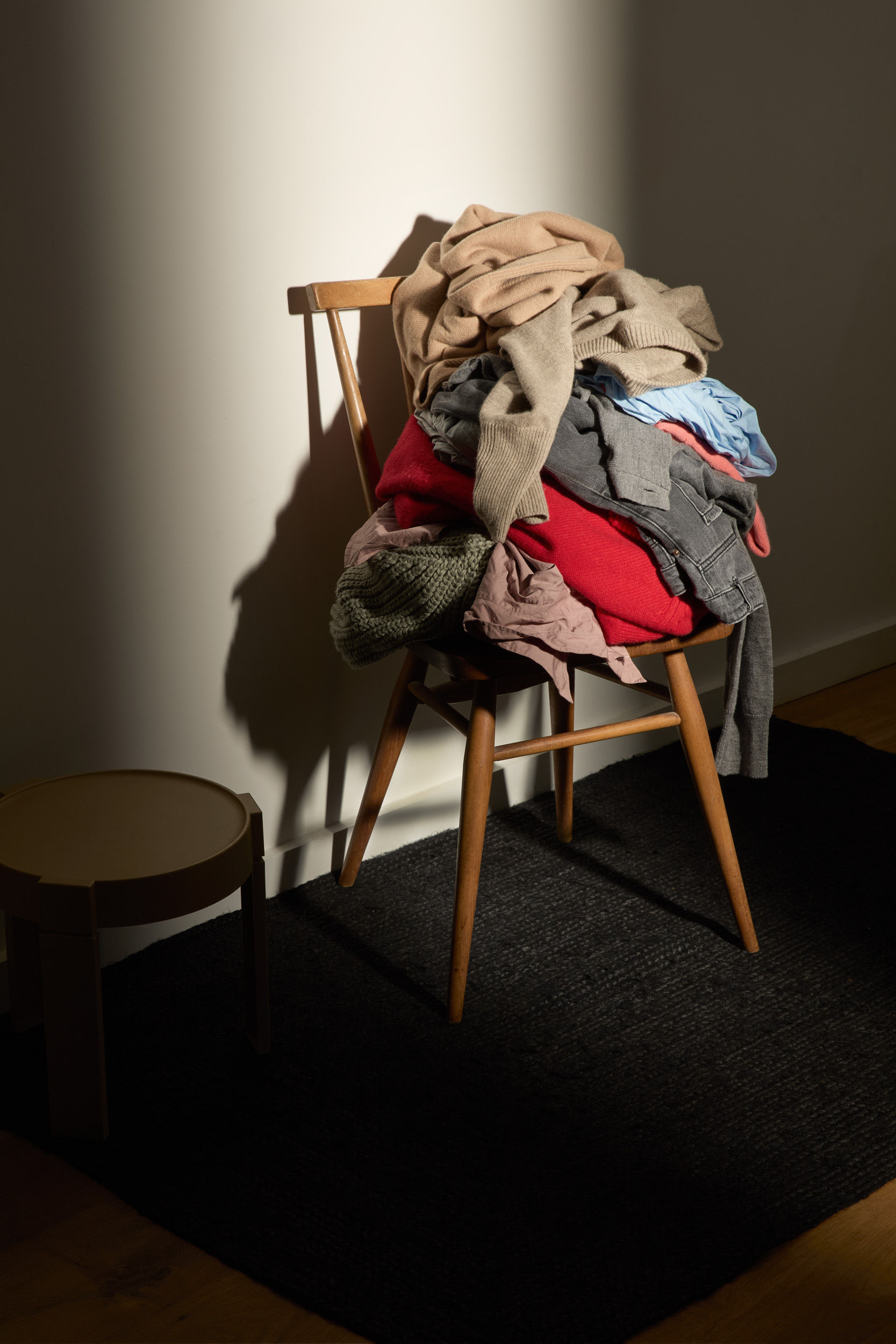
HOARDING MUGS: It’s early and you’re in desperate need of a coffee. You get the machine working and reach for a mug—only to find that the cupboard is empty, save for the novelty one you got from your work Christmas party. The culprit, you realize, is your partner/flatmate/you yourself, an inveterate dirty mug hoarder who, without realizing it, has sequestered all the mugs in their room, office, bathroom—anywhere but the kitchen. Relatively speaking, it's a harmless, if frustrating habit, but on a wider scale (a teetering pile of dirty dishes; not being able to see the floor for dirty laundry) messiness might be a sign that you’re struggling with your mental health. Confronting a “depression room” or “doom pile” won't solve your problems, but it can give you a little lift. If it seems overwhelming at first, break it down—start by tidying a specific area or setting yourself the goal of just tackling the laundry or the dishes, and it will quickly start to become more manageable.
We like to think of ourselves as deliberate beings—people who make conscious choices about how we want to live. But according to psychologist and professor Wendy Wood, best-selling author of Good Habits, Bad Habits, much of what we do runs on autopilot. Her research suggests that nearly half of our daily actions are driven not by intention, but by habits: simple mental associations formed through repetition, cued by the environments we move through.


