ELLA Al-SHAMAHI
- Words Tom Faber
- Photography Rick Pushinsky
The scientist digging for history in the world’s most hostile landscapes.
- Words Tom Faber
- Photography Rick Pushinsky
- Hair & Makeup Jinny Kim
You might think, with every inch of the earth’s surface meticulously charted and the whole store of human knowledge available on the internet, that there is no place in the 21st century for explorers. Scientist and TV host Ella Al-Shamahi, who was named a National Geographic Emerging Explorer in 2015, thinks otherwise—she feels we simply need to update our understanding of what it means to be an explorer today.
Al-Shamahi specializes in archaeological digs across the world’s most politically unstable and hostile territories, where scientific institutions often fear to tread. These regions include pivotal sites of early human history. By ignoring them, Al-Shamahi believes we’re missing a huge part of our own story.
Born to Yemeni parents in Birmingham, England, Al-Shamahi believed in creationism growing up. At university, she attempted to disprove Darwin’s theory of evolution—a fact which now causes her great embarrassment. On finding the evidence for evolution surprisingly robust, she had a change of heart and decided to dedicate her life to the study of early humans, specializing in Neanderthals.
Al-Shamahi has a second life as a stand-up comic, where she incorporates scientific research into her act. Her combination of academic approachability and easy charisma has led her to host TV shows on subjects including the Indigenous people of the Amazon, the boy pharaoh Tutankhamun and the lives of Viking women for the BBC, PBS, National Geographic and the Discovery Channel.
Tom Faber: Why is it important to do scientific research in politically unstable areas?
Ella Al-Shamahi: It’s a tragedy for those places if we ignore them. It’s also, quite selfishly, a tragedy for science. Realistically, that’s where we’re going to make the next big discoveries—it’s already happening in places like the rain forests.
TF: What extra hurdles are there to overcome when you do fieldwork in hostile territories?
EAS: It’s exhausting to organize even a normal expedition—you’ve got to generate funding, assemble teams and work out the logistics behind the science. In addition, you’ve got to jump through the biggest hoops with regards to security, safety and politics. I once worked in a highly disputed territory where we didn’t even know who to ask for permission to work there. We were literally looking at UN documents trying to work out whose jurisdiction it was. Then when we arrived back from our dig in the mountains, we were told that we had just been working in a minefield.
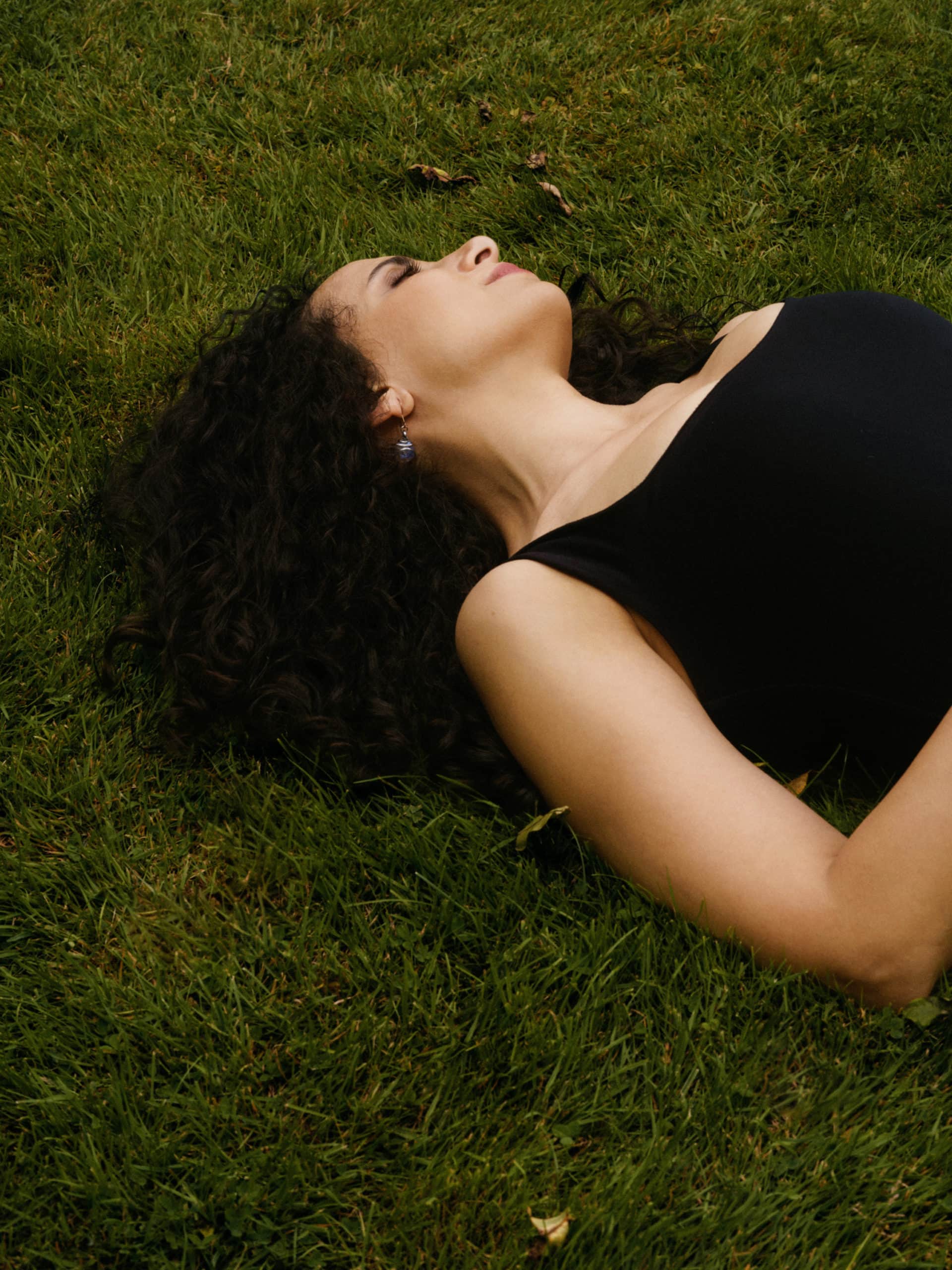
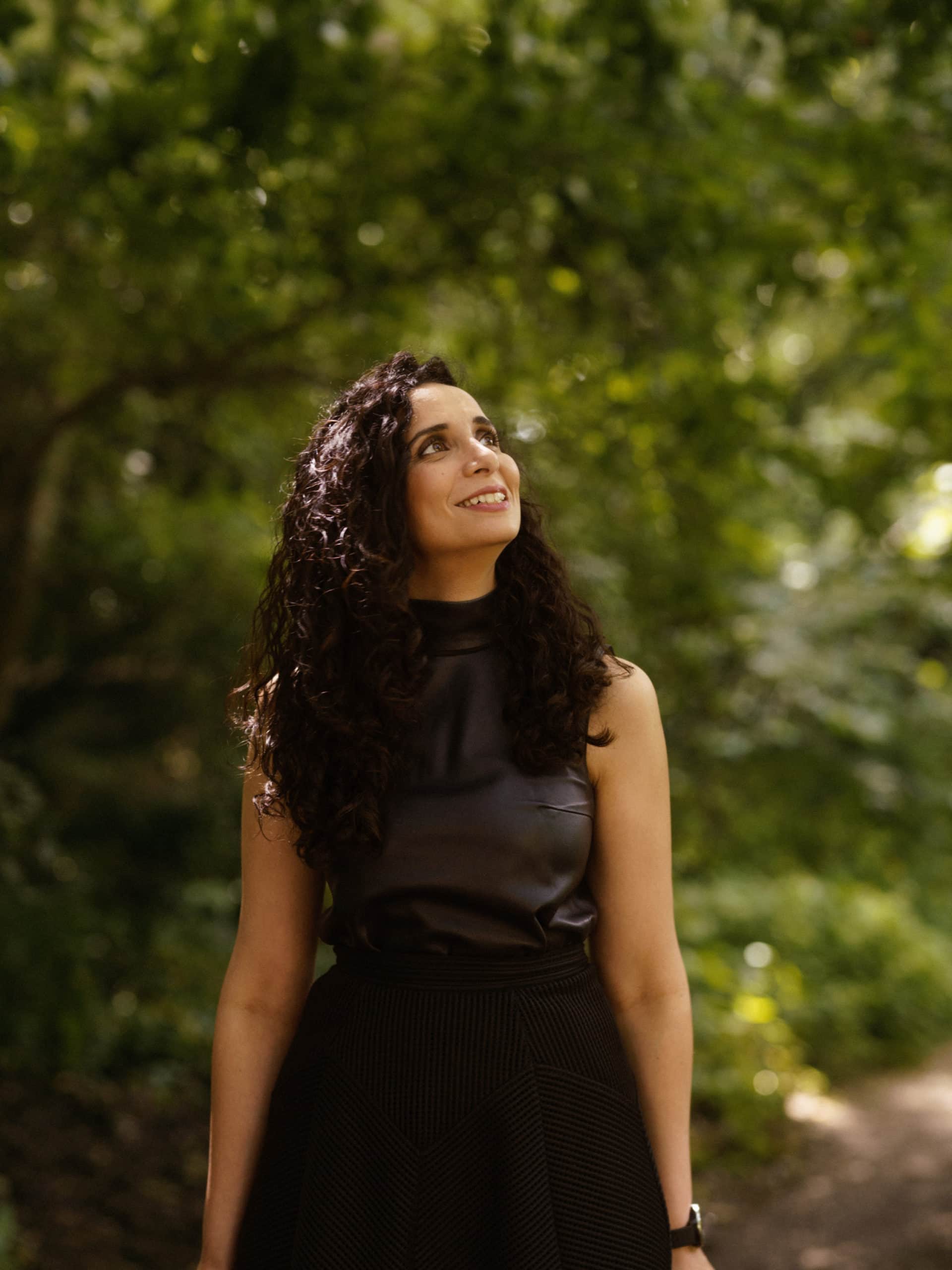
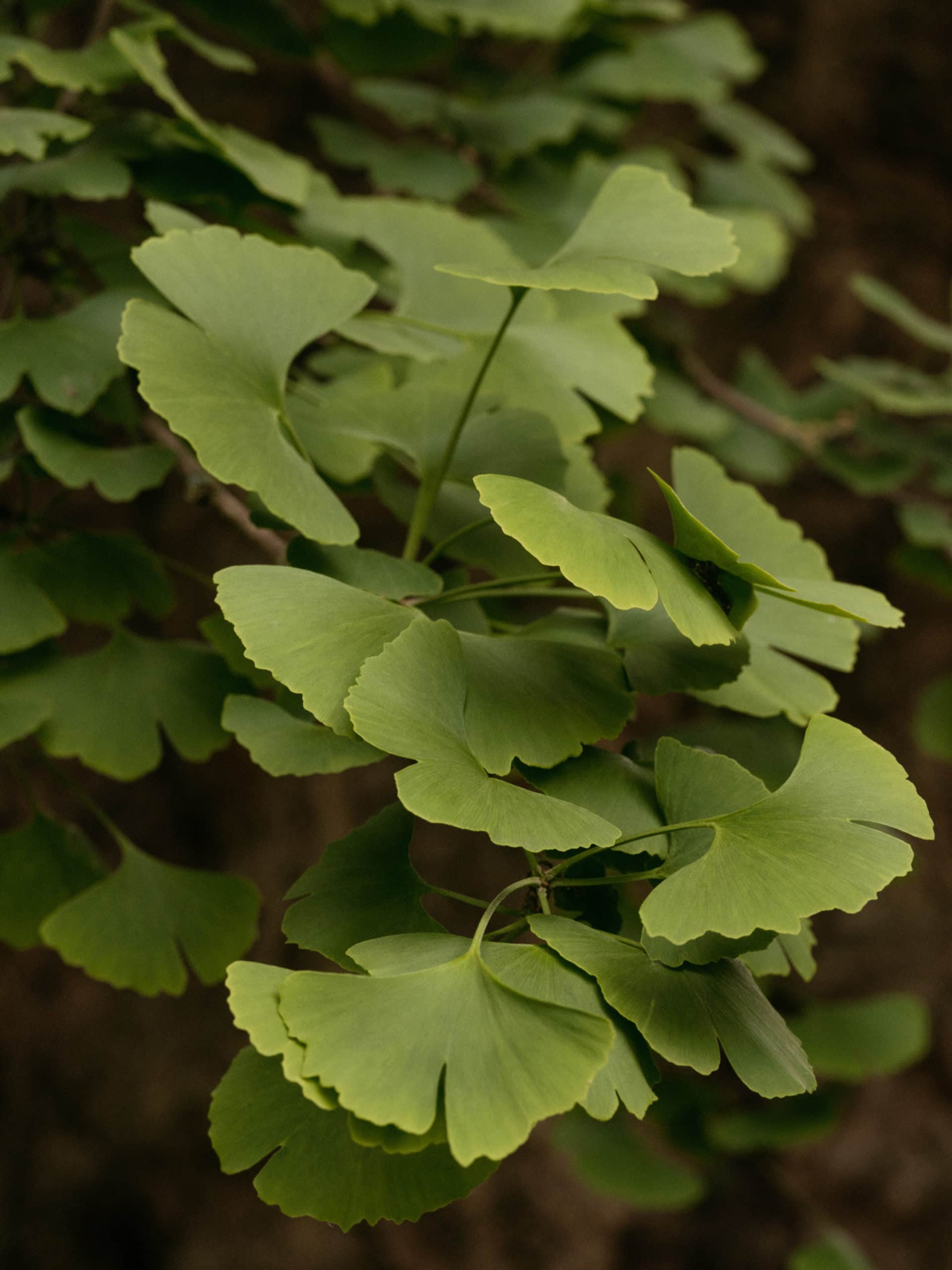
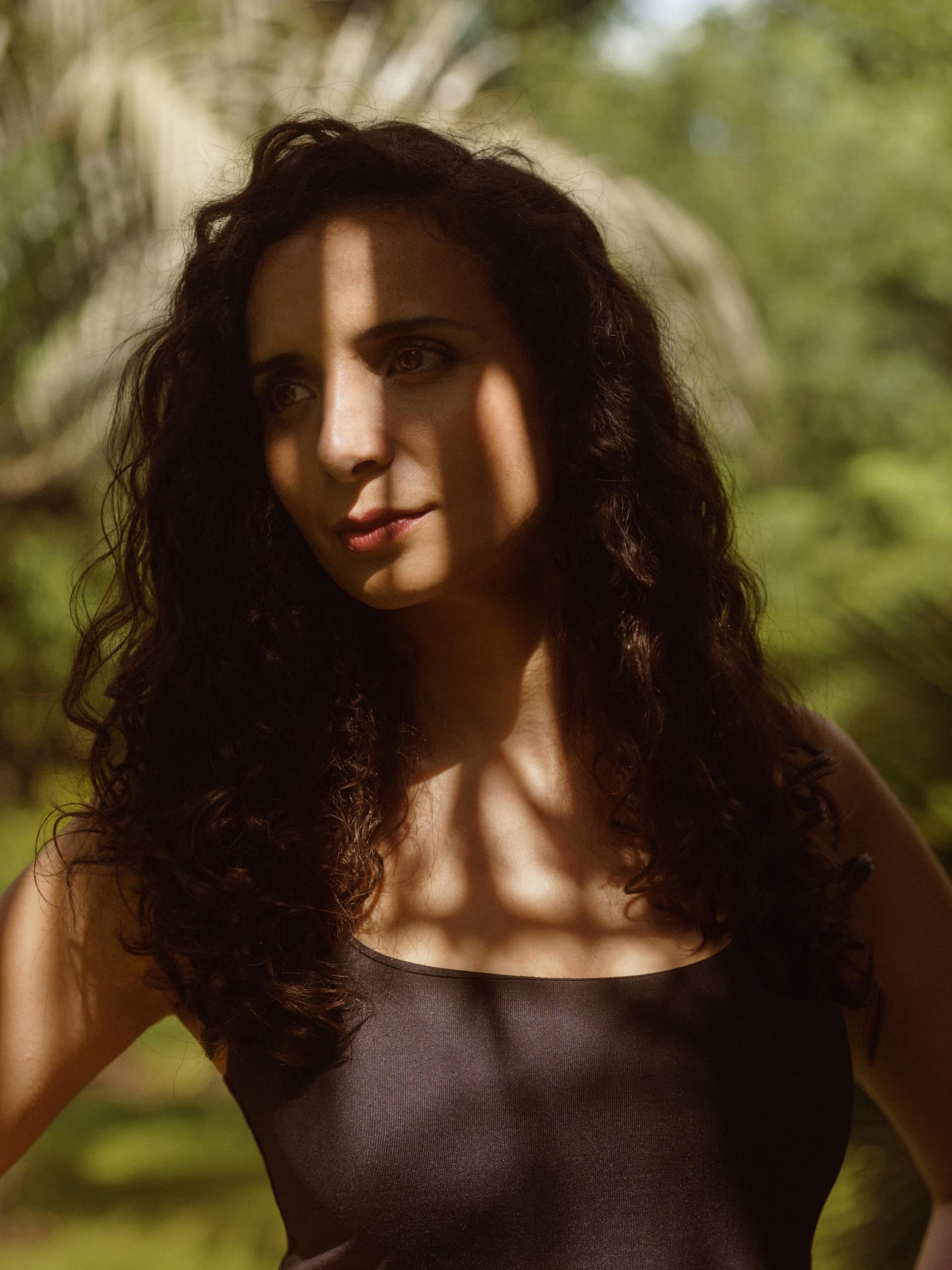
Al-Shamahi was photographed at Chelsea Physic Garden in London—one of the oldest botanical gardens in Europe.
TF: How do you prepare for your research trips?
EAS: I’m lucky that, because of my Arabic background, I was aware of a lot of political stuff anyway. I remember on childhood trips to Yemen we learned that certain people in our group shouldn’t speak because their accent reveals they come from a certain region or that they’re Western. I had to learn to walk differently—you can sometimes identify a Western woman by the way we walk with fewer constraints, like we own the place. I change the way I walk, the way I talk, the way I carry myself. You’re trying to camouflage and blend in. I make my curly hair look different in different places.
TF: Despite all the challenges, do you think we have an obligation to conduct research in such places?
EAS: My argument isn’t that everybody should go work in these places. My argument is that if my mates can work in very dangerous underground caves, or with poisonous snakes or in dangerous ocean conditions as long as they’ve gone through the appropriate training, then why are we told we’re not allowed to work in disputed territories by funding bodies?
TF: We don’t use the term “explorer” much these days. It almost feels antiquated. How do you relate to the label?
EAS: If National Geographic hadn’t called me an explorer, I would never use the term. It’s weird to use it without that context. But when I talk to kids, I say that when I imagined an explorer when I was younger, it was a rich white man from a different century with a big beard covered in snow. So I get a glint in my eyes when I’m described as an explorer because it’s so subversive. There’s a lot left to be explored but we need a different kind of exploration: more responsible and humane. I’d like to think we don’t use phrases like “this is the first” unless it really is the first, that we don’t feel ownership. In my field I see a lot of people who think they own a place because they’ve done a bit of work there and I’m like: No you don’t, that’s really weird and super colonial.

Chelsea Physic Garden’s plant collection is unique in being the only botanic garden collection focused on medicinal, herbal and useful plants.
TF: Do you think we can move past the colonial overtones of the word “explorer” and keep using it?
EAS: For me, it’s a bit like Indiana Jones. The films are a lot of fun; I’ll happily watch them. But they’re completely sexist and there are shades of colonialism. Also there’s just bad science: He never even uses a trowel. And who brings a whip onto an archaeological site? But at the same time, he has introduced the masses to archaeology. The best PR archaeology has had in the last 50 years is Indiana Jones. I rarely see the point of throwing the baby out with the bathwater. Instead I prefer shifting terms, getting people to think about how we’re using them instead of just throwing it all out.
TF: What are you actually doing day-to-day when you’re on an expedition?
EAS: It depends. TV expeditions are completely different—they’re not real. A real expedition is bloody hardcore. Generally, it’s a lot of logistics, walking landscapes for ages trying to find the caves, and then it’s bog-standard archaeology—get your square and dig in it.
TF: I imagine it’s hard to make a TV show out of that.
EAS: That’s why it’s rare that a TV show is built around just one dig. They’re usually built around a thesis or journey that covers multiple digs. Ceramics or stone tools are very important for scientific knowledge but they don’t always translate onto the screen. The audience is more interested in your broad conclusions from that dig. I mean, I love looking at bits of Neanderthal teeth because I understand their context, but the general public is looking at it going: “It’s a tooth, mate, it’s a tooth. Why are you so excited?”
TF: Do you feel an emotional connection to fossils and Neanderthal teeth?
EAS: Yeah, I do. It’s bizarre, but now is the only time on our planet where only one species of human has existed. Before, we were sharing the planet with multiple other species of human. There’s an obvious fascination with them. What happened to them? What was it like for that last Neanderthal? Did he or she know that they were the last? We interbred with Neanderthals and I can’t help but wonder what that looked like—were they normal unions or were they controversial for their people?
TF: Do you feel a sense of responsibility?
EAS: Constantly. I live in a permanent state of anxiety because of it. I know how unusual it is for a woman of color to have my job and I have a responsibility to make sure that the messaging of my shows is correct, all while ensuring the science is accurate and maintaining a bit of storytelling. It’s a headache.
TF: Does that responsibility extend to the local people in the unstable areas where you work? What does it mean for them when fossils are discovered?
EAS: In some places I work, like Yemen or Iraq, people have a strong sense of pride but feel really forgotten by the world. So they start noticing: “Oh, our place is useful for this kind of fossil? So we’re important to the human story, are we?” And I’m like: Yes! Of course you are!