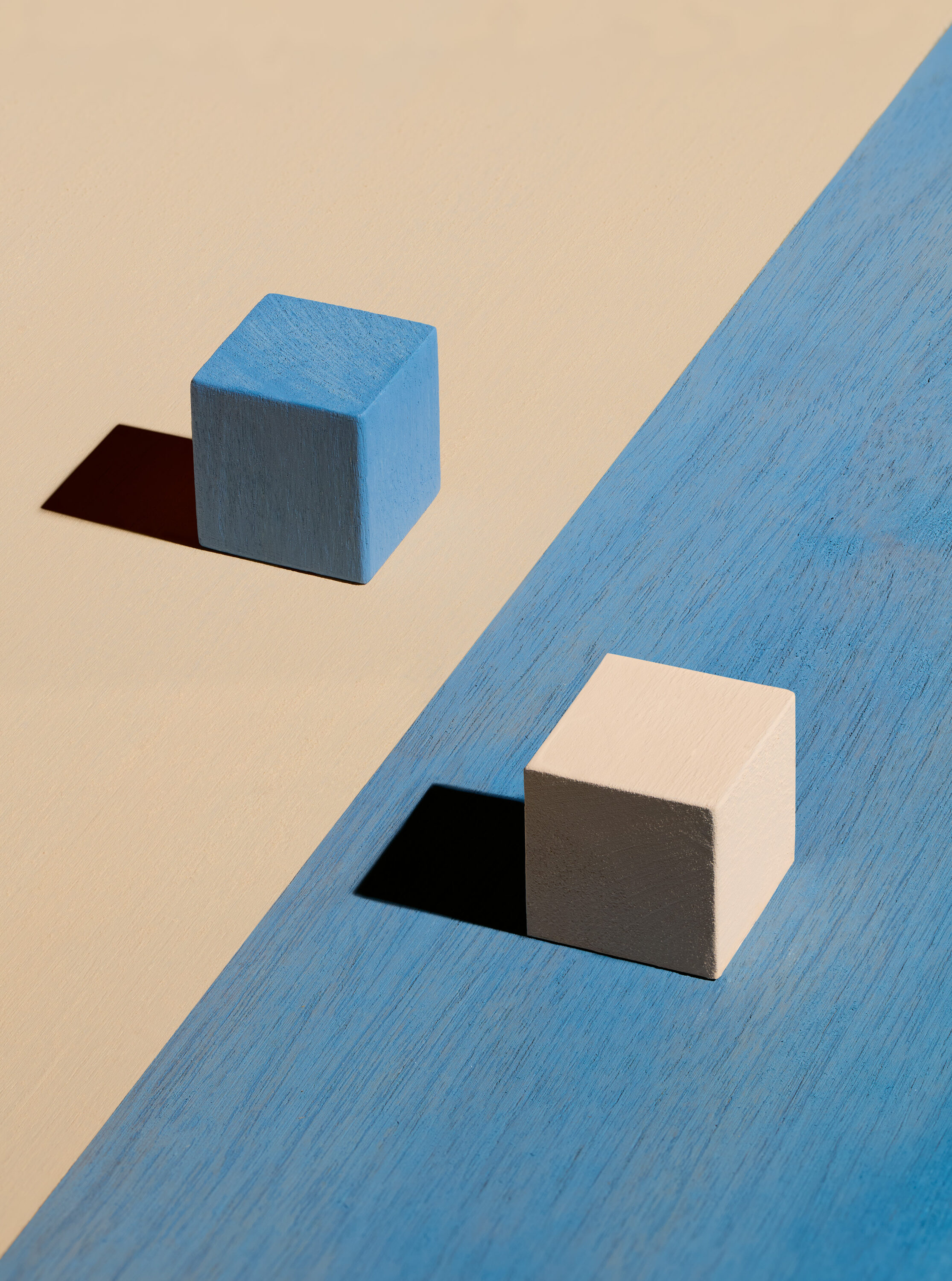
( 1 ) A 2021 study at the Medical University of Graz in Austria found that color significantly affected patients’ postoperative mood and recovery. Walls painted with light pastels such as pale blue, green and yellow were the most effective at promoting healing and rehabilitation.
Fade to BlackMaking the case for color.
Fade to BlackMaking the case for color.
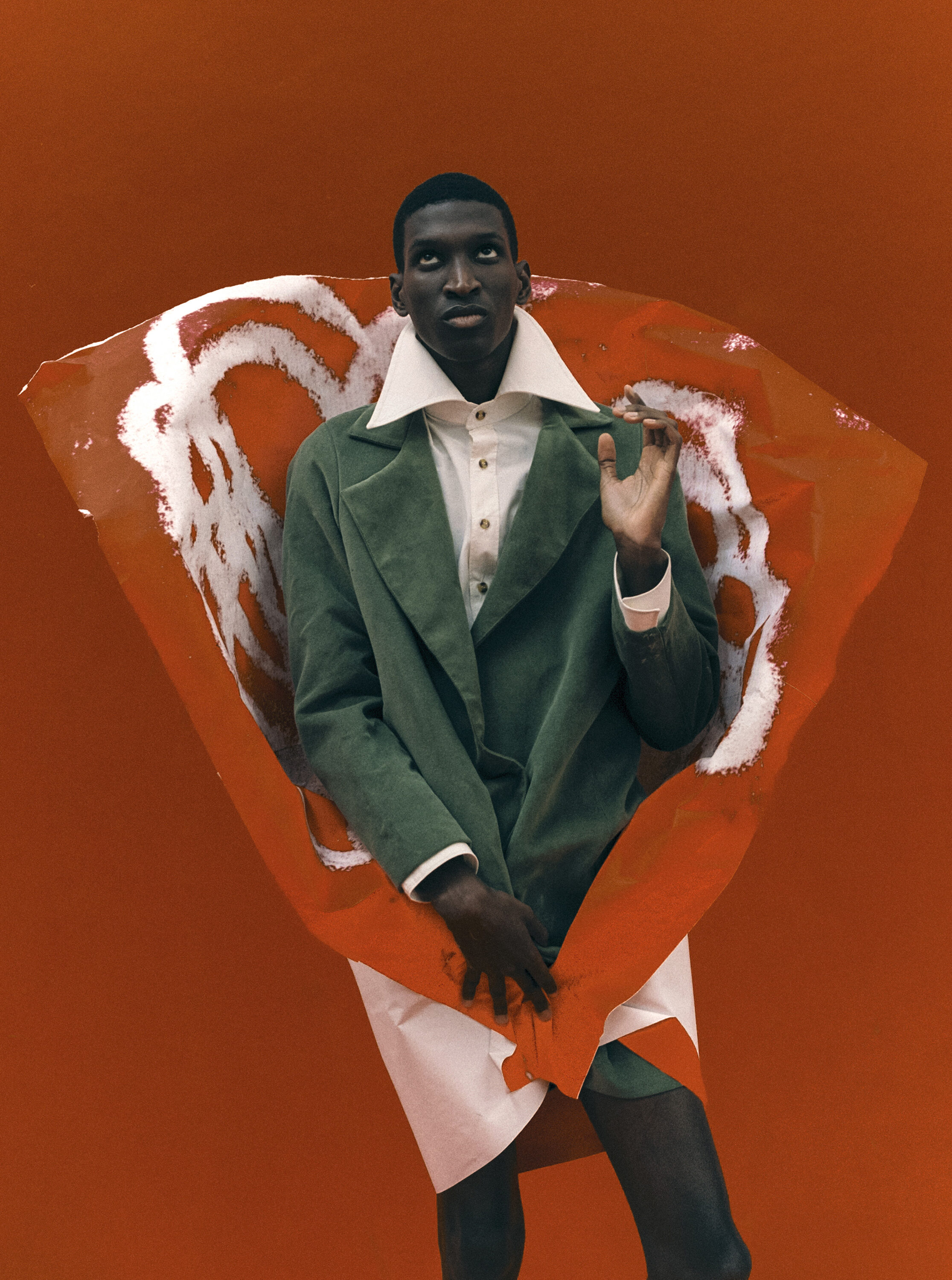
The Russian artist Wassily Kandinsky once said that “color is a power which directly influences the soul.” An early pioneer of abstract painting, Kandinsky is thought to have experienced synesthesia, a neurological condition in which stimulation of one sense triggers involuntary responses in another. To him, yellow wasn’t just a color—it was “warm,” “cheeky and exciting… disturbing for people,” a middle C on a brassy trumpet. Gray, by contrast, was the equivalent of spiritual numbness: “soundless and motionless,” expressing “suffocating hopelessness.”
He would likely be dismayed by the disappearance of color from our lives today. In 2020, the UK’s Science Museum digitally analyzed more than 7,000 images of everyday objects from 1800 to the present day and found that, year on year, the things we surround ourselves with have become a lot less colorful, and considerably more gray. A graph produced as part of the study shows that colors like red, yellow and green began to decline around the end of the 19th century, when Kandinsky was writing, with a particularly steep increase in blacks, whites and, of course, grays, starting in about 1980.
The timing suggests that the rise of mass-market consumer technology has played a part in desaturating our lives. These products are usually designed to appeal to the widest audience—and so are as anodyne as possible. Gray, black and beige are generally considered a “safe” choice; easy to match to other objects, unlikely to date too quickly and calming to look at. And in an overstimulating world, such neutrality offers a kind of visual quiet, one that makes it easier to mentally check out.
Still, it’s worth asking: Are these supposedly safe colors an expression of our tastes and how we actually want to live? Or do they, instead, just reflect the market-driven logic of manufacturers? Neutrals are the colors of peak capitalism: engineered for broad appeal, stripped of personality and optimized for mass production. But studies have consistently found that a wider spectrum of color enriches our surroundings, lifting mood, sharpening perception, and even helping us heal.1 Maybe it’s not that we’ve lost our appetite for color, but that we have simply forgotten how deeply it can move us—just as Kandinsky always believed it could.