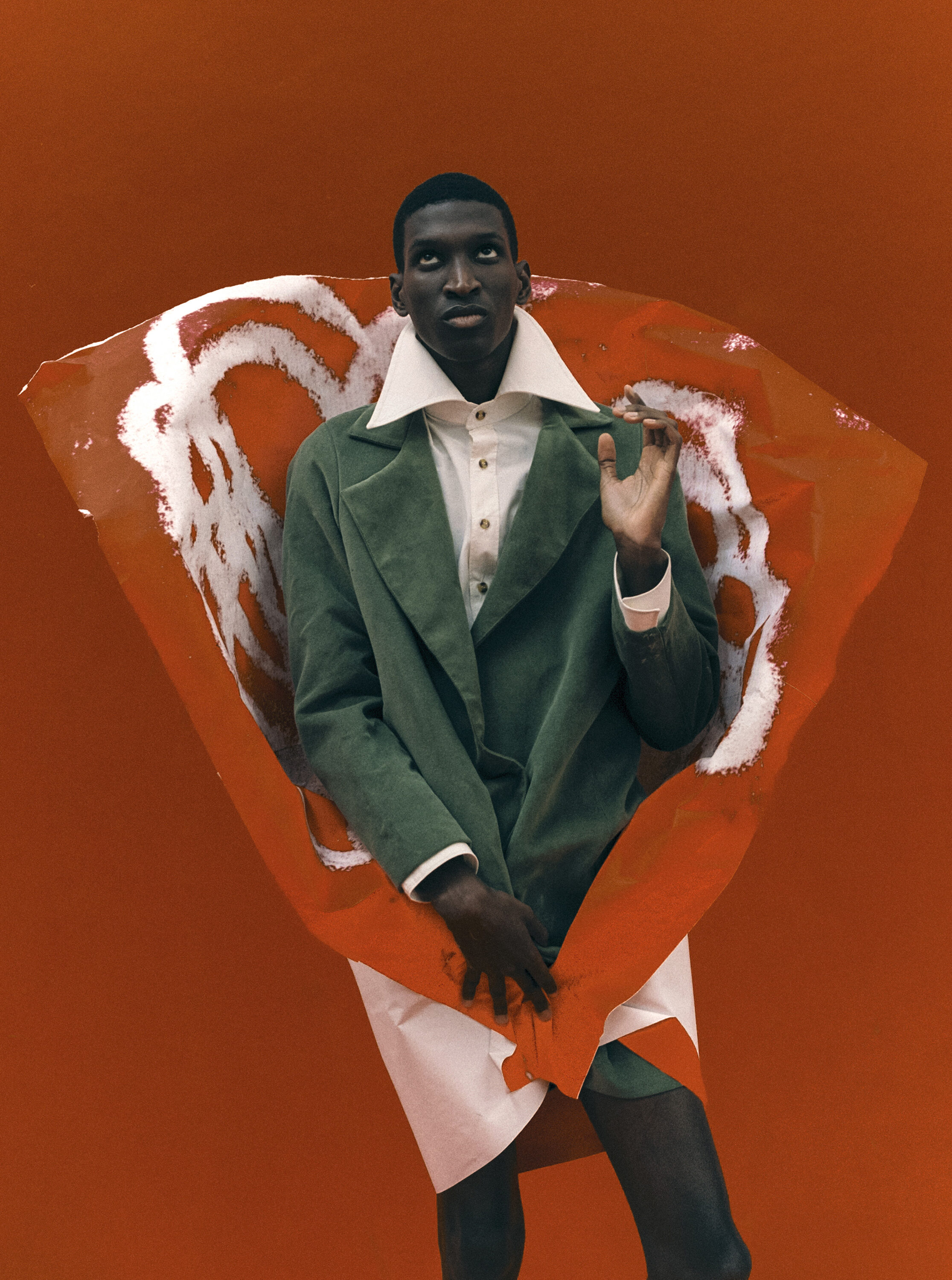
Fake Goods On the alluring pros of cons.
Fake Goods On the alluring pros of cons.
In 2018, The Cut published a fashion round-up of scammer-themed T-shirts, with slogans including “My other shirt will wire you $30,000” inspired by the fake heiress Anna Delvey. Rachel Williams, who lost double that sum to Delvey, says in her memoir that she was dismayed to see the con artist’s actions portrayed as a joke.
What is it about certain scammers that beguiles so? There are plenty of people who commit fraud, tell lies and manipulate others for their own gain, but not all capture the public imagination. Those who do become something strange in our collective consciousness: not heroes, not to be emulated, but not villains either. They occupy a space somewhere between “I can’t believe someone did that” and “Could I do that?”
The likes of Anna Delvey—the imprisoned Russian faux-socialite who scammed New York elites and hotels to the tune of $275,000—are capable of charming us partly because their victims are not ordinary people. Nobody finds the fraudster conning grandmothers out of pensions alluring or seductive. But we can allow ourselves to indulge in salacious enjoyment of Delvey’s crimes because those who were swindled had so very much to lose in the first place.
Elizabeth Holmes, the disgraced CEO of medical technology company Theranos, is set to stand trial in August for committing massive fraud by fabricating claims about her company’s ability to test blood droplets for disease, raising $9 billion for it in the process. Theranos was a company that produced, in the end, nothing at all. But it was sustained by the sheer force of Holmes’ persona. She consciously curated the airs and aesthetics of a dynamic, singular CEO genius, and used this adopted personality to elicit vast sums from those all too eager to buy into it.
Most interesting of all are the repeat scammers like Frank Abagnale and Ferdinand Demara, both of whom successfully assumed many false identities and occupations—Abagnale in the 1960s and Demara in the 1940s. The former was immortalized in film by Leonardo DiCaprio, the latter by Tony Curtis. Both were brilliant at fraud, yes, but they tried their hands at many other things too. They were self-taught, amazingly intelligent pretenders, who could have legitimately become the pilots or doctors they characterized if they had chosen to.
But they didn’t—they chose to be imposters, to not just “be somebody” but to be many somebodies, whoever they felt like being. Self-invention is the American dream, after all. The best scammers simply take this cherished ideal to the next level. They allow us the brief, dazzling possibility of identity being as easily shrugged off and on as a coat. They create a reality in which to simply say you are a thing is to be it—where language and gesture overtake material circumstances.
In 2018, The Cut published a fashion round-up of scammer-themed T-shirts, with slogans including “My other shirt will wire you $30,000” inspired by the fake heiress Anna Delvey. Rachel Williams, who lost double that sum to Delvey, says in her memoir that she was dismayed to see the con artist’s actions portrayed as a joke.