( 1 ) November's full moon—the Beaver Moon—is also thought to take its name from Native American tradition, referring to either the time that traps were set before winter, or the heightened activity of beavers building their winter dams.
Field NotesA guide to the fall harvest.
Field NotesA guide to the fall harvest.
In the fall, everything is in movement. Leaves shift from the bright greens of summer to stunning reds, golds, yellows and browns. The deciduous trees start to stand in sharp relief to the evergreens—there’s something wonderful about walking through woodlands when a breeze untethers the leaves from their branches. You might notice the V-shaped seeds of sycamores and maples, known as helicopter seeds for the way they spiral around and around as they fall. Rowan trees become laden with bunches of bright red berries that are an important food source for birds and which, from a distance, and in a low autumn sun, can make it seem as if the tree is on fire.
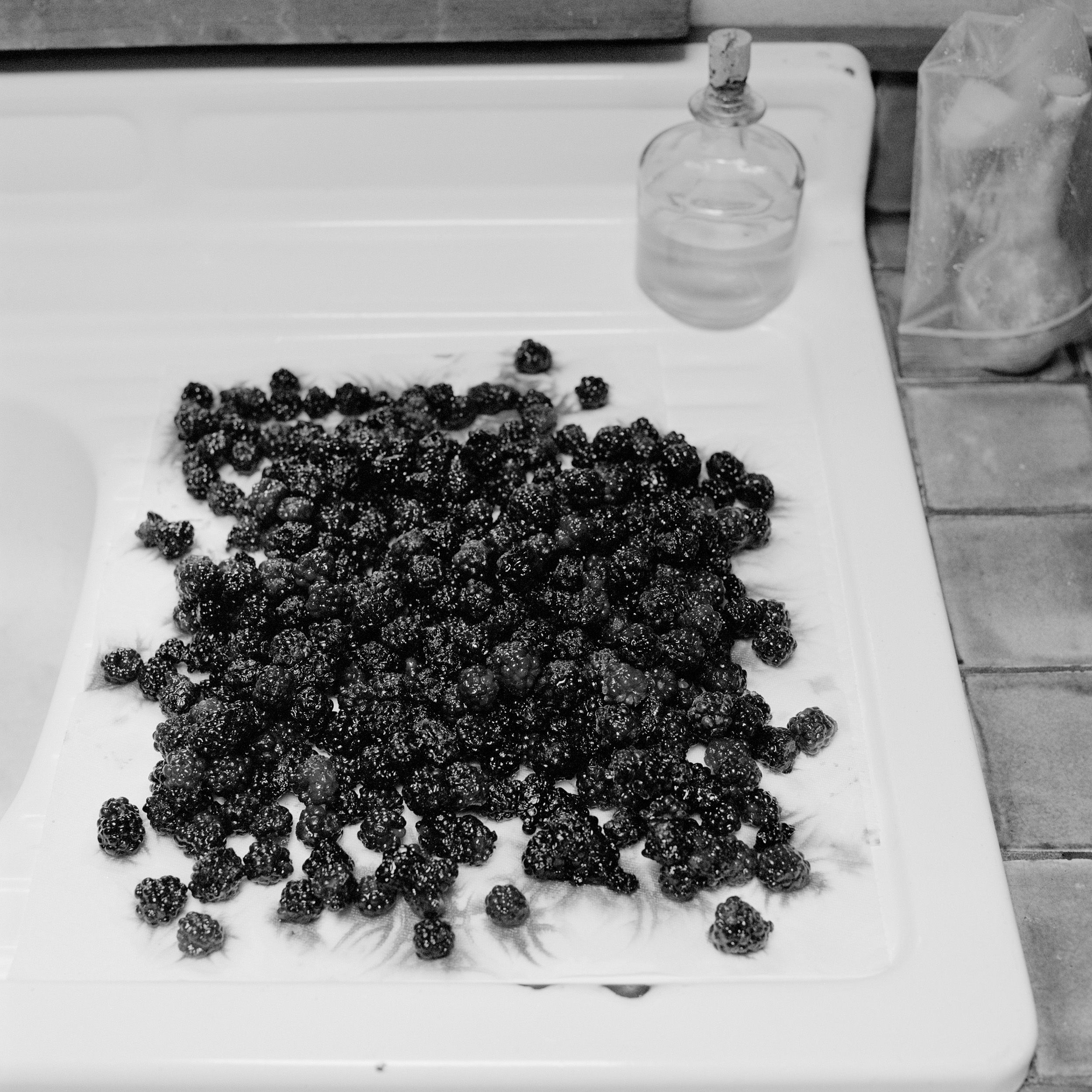
This is the time of year for getting your fingers stained blue by berry picking. Depending on where you are, you might find chokeberries, blackberries, blueberries or shiny purple-black clusters of tiny elderberries at the end of beautiful red stalks. Poisonous when raw, elderberries can be boiled with sugar to form a syrup—a traditional cure high in vitamin C that is thought to relieve cold and flu symptoms.
In this era of global food supply chains, it is easy to forget about the importance of the fall harvests—and about the traditional festivals that give thanks for successful crops. In Europe, wine-making regions celebrate the grape harvest, while around the world you’ll find festivals dedicated to corn, hops, yam, pumpkin and any number of other crops. In parts of Scotland, the weeklong October school vacation is known as the “tattie” holiday, as it was when children were given time off to help farmers gather in the tatties (potatoes). In China and other parts of East Asia, mooncakes are baked for the mid-autumn full moon to give thanks for the harvest; in Western cultures, this moon is known as the harvest moon—and by Native American tribes as the corn moon—as its light makes it easier to gather in the crops at night. The hunter’s moon, the next full moon, usually occurs in October and is named for the time of hunting and storing the meat as you start to look ahead to winter.¹