Michael Kiwanuka
The self-possessed singer on the importance of vulnerability.
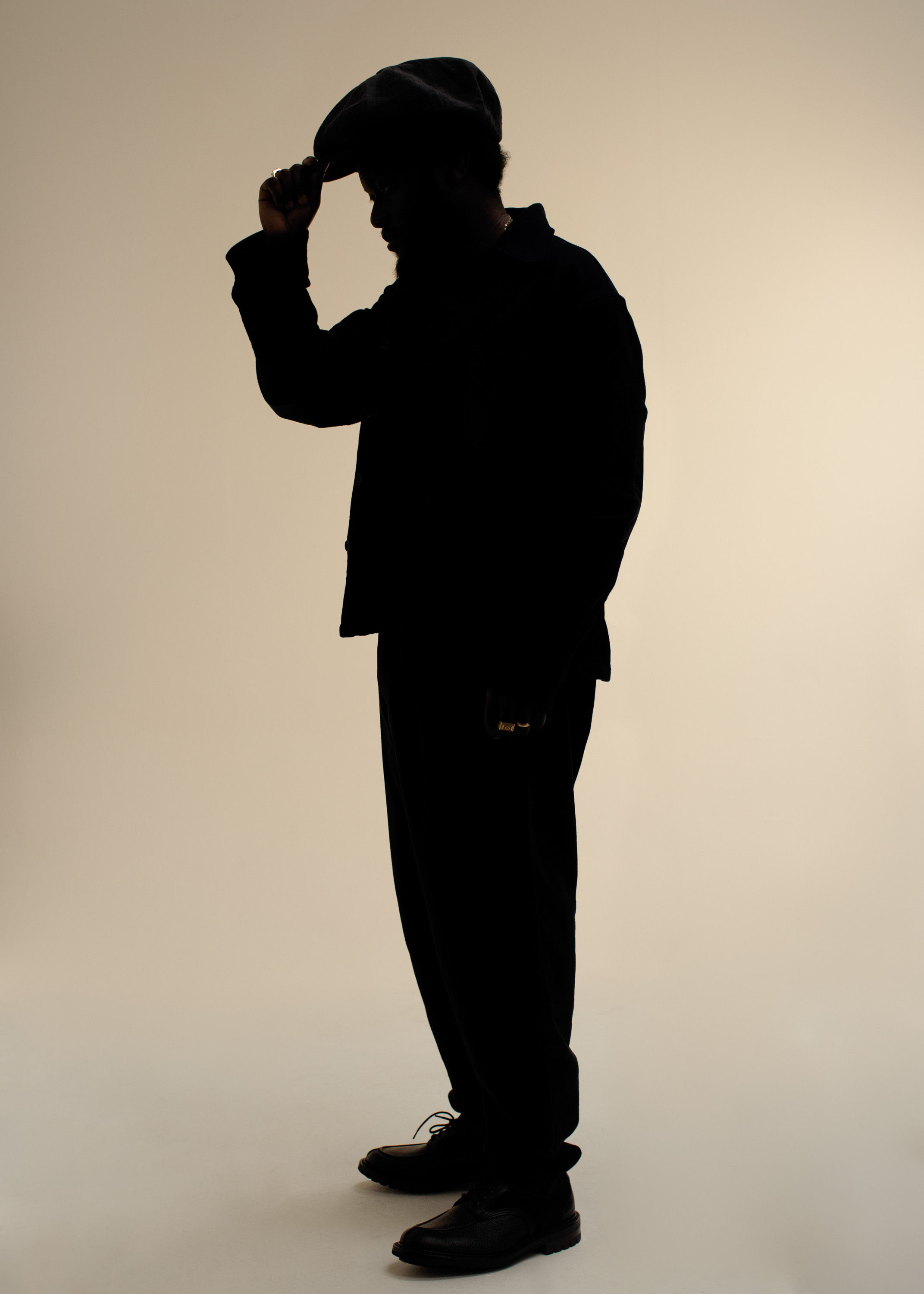
Kiwanuka was catapulted into the spotlight when he won the BBC Sound of 2012 award ahead of Frank Ocean and Azealia Banks.
When Michael Kiwanuka decided to pursue music professionally, he thought that would mean becoming a teacher or a session musician. Instead, the British artist has released two albums and been nominated for a Mercury Prize twice. Listening to his songs, it is clear why so many people identify with the music of this unassuming 32-year-old: There is a sense of honesty and passion in every soaring note.
For Kiwanuka, however, creating music is about more than just the final product. It’s about “being true to who you are,” he says. It’s also about sharing with his audience in a way that goes deeper than albums and Instagram posts, which is why he released the short documentary Out Loud! last year, giving a glimpse into his life on tour and in live performances. “I just wanted to show people what I do in a creative and artistic way,” he explains.
You wrote the title track for the TV show Big Little Lies and appeared on the soundtrack of The Get Down. Do you think your music lends itself particularly well to TV?
I think my music works for a television or movie scene because I’m trying to evoke another place or dimension. I like cinematic styles of music and I’m always trying to make it sound like that, even if it’s not intended for TV.
Your song “Black Man in a White World” is about the shyness you felt growing up as a result of not
fitting in. Have you now found confidence in yourself?
I now feel comfortable being different and it’s something I embrace and enjoy. I realize that’s a common trait for creative people. You’re making your own world so you’re always going to feel a little detached or misunderstood.
Romantic love plays such a formative role for many musicians. Around the time of your debut, you said you’d never been in love. Is that still true?
I’ve been married for three years so it’s definitely not true now. Even then, there was no absence of it. The song “I’ll Never Love” was more about love going wrong. The absence of love brings out emotions that I like in music, the melancholy side, though the presence of it is more enjoyable. Both emotions are definitely conducive to great songs and art. However, I do find it easier to make sad music.
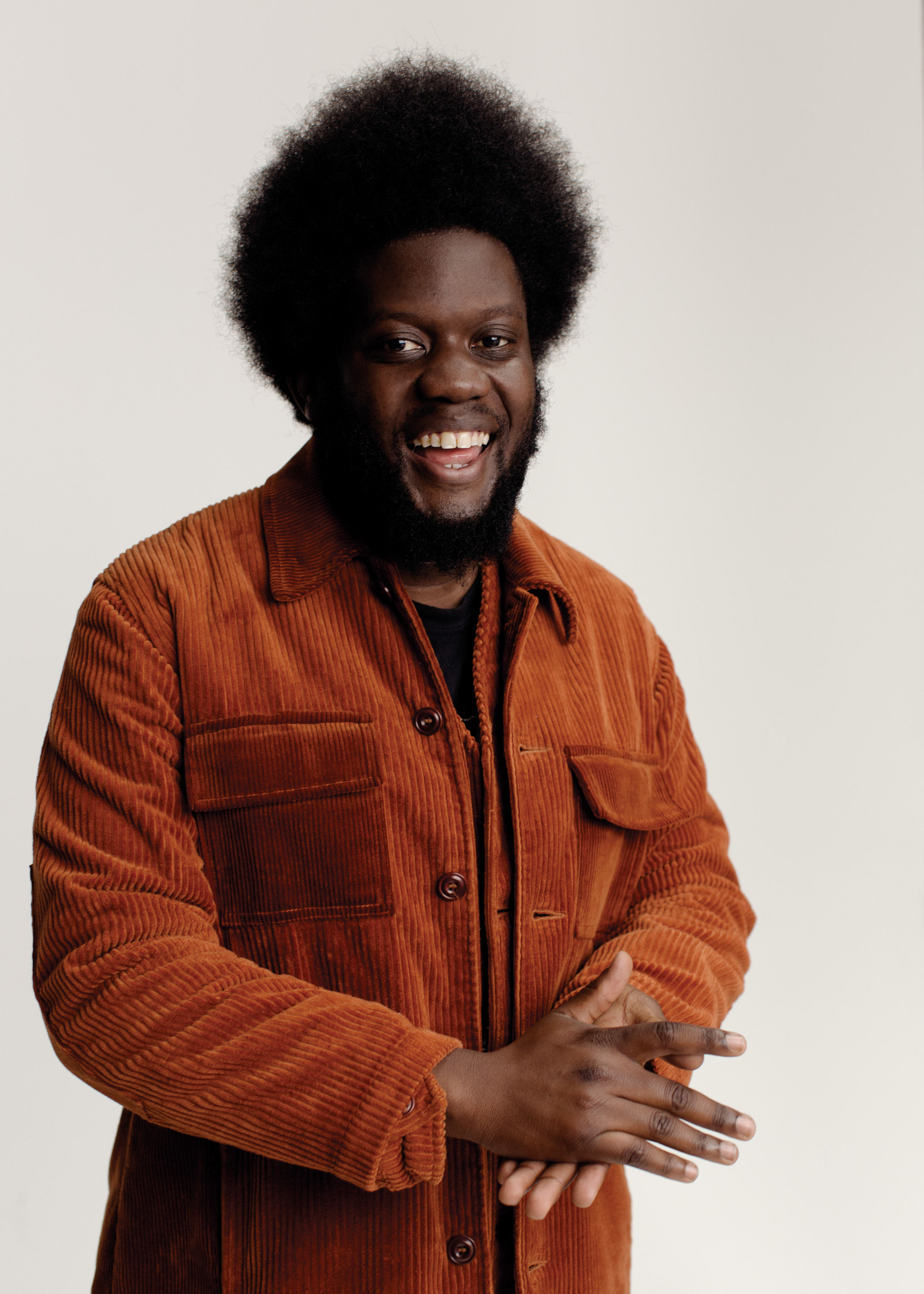
Kiwanuka was catapulted into the spotlight when he won the BBC Sound of 2012 award ahead of Frank Ocean and Azealia Banks.
Vulnerability was a key theme on Love & Hate. Why?
People trust you more and connect with you better if you let your guard down and show your real side. It’s the same with music. If you’re hiding things, it’s difficult for people to connect.
Earlier this year you appeared on Little Simz’s album. The song “Flowers” was very much a mixture of both of your styles of music. Was this intentional?
Yes. In good collaborations, the two artists are able to express themselves the way they are. Inflo produced my album Love & Hate, but also Little Simz’s Grey Area album. There was a nice link there so we all felt comfortable with each other and were able to do our thing. I felt blessed to lend my voice to it.
Would you be interested in incorporating more genres into your work?
I’ve always wanted to collaborate with many genres. The more comfortable I am as a singer, the more fun collaborating is as there are less insecurities and I throw a bit more caution to the wind. There are so many great young British artists.
You once said, “It’s important to have views, not to be everybody’s best friend,” referring to musicians using their fame to shed light on serious issues. What’s on your mind?
There’s so much happening around the world but I do have issues close to my heart. I’m a part of Kids Club Kampala, which helps orphans in the slums of Kampala [Uganda], giving them homes, clothes, schooling. Also, there are abandoned kids here in the UK. There are a lot of people without parents and loving families. These are things we can’t take for granted.
There was a large gap between your two albums, and now a considerable amount of time has passed again. What can we expect next?
This next album is a lot more vivid and a bit more experimental and abstract at times, but then there’s still the same soulfulness and emotion. That’s as much as I can say without playing it.