Power ToolArtist Zadie Xa's hog hair paintbrushes.
Power ToolArtist Zadie Xa's hog hair paintbrushes.
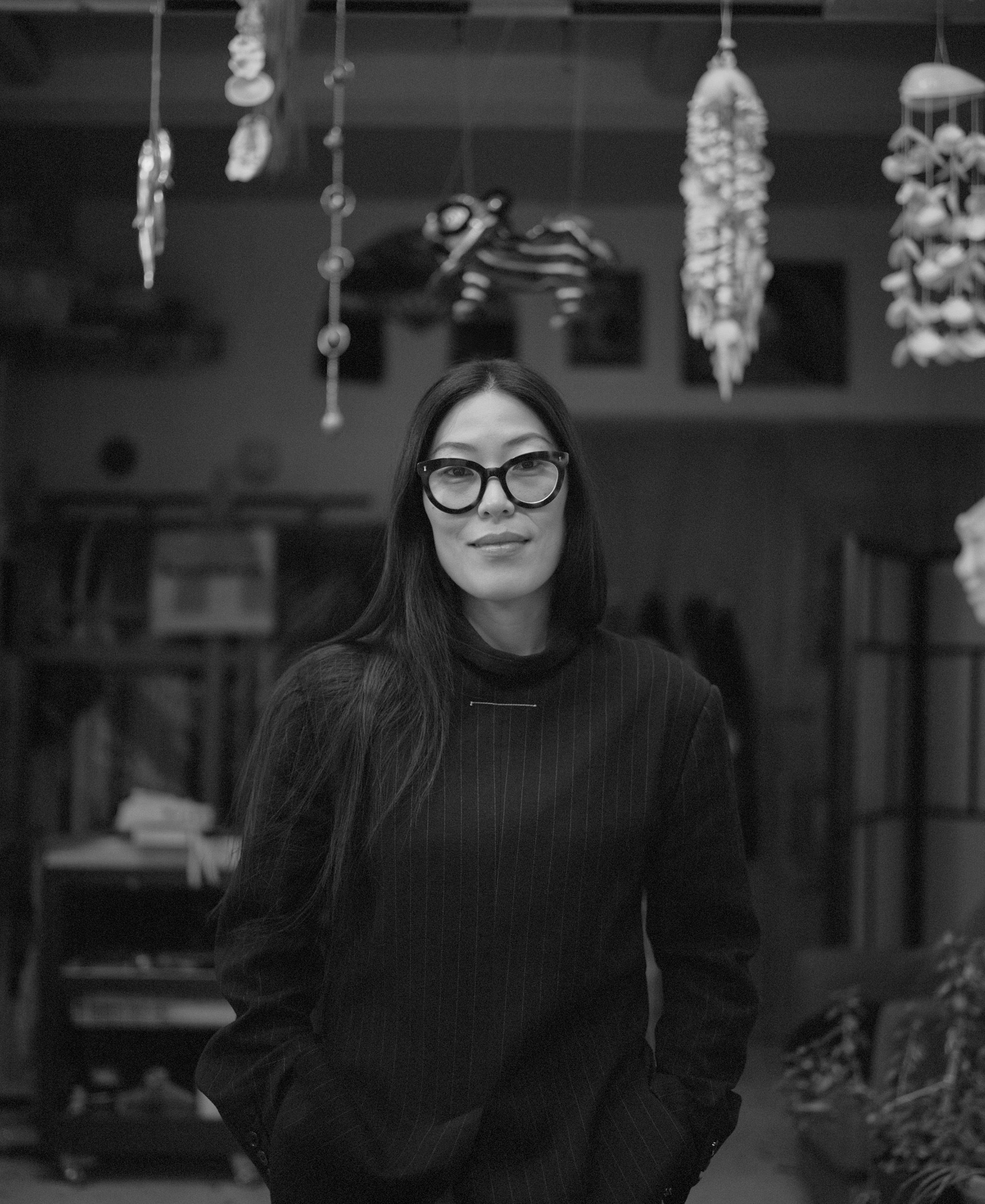
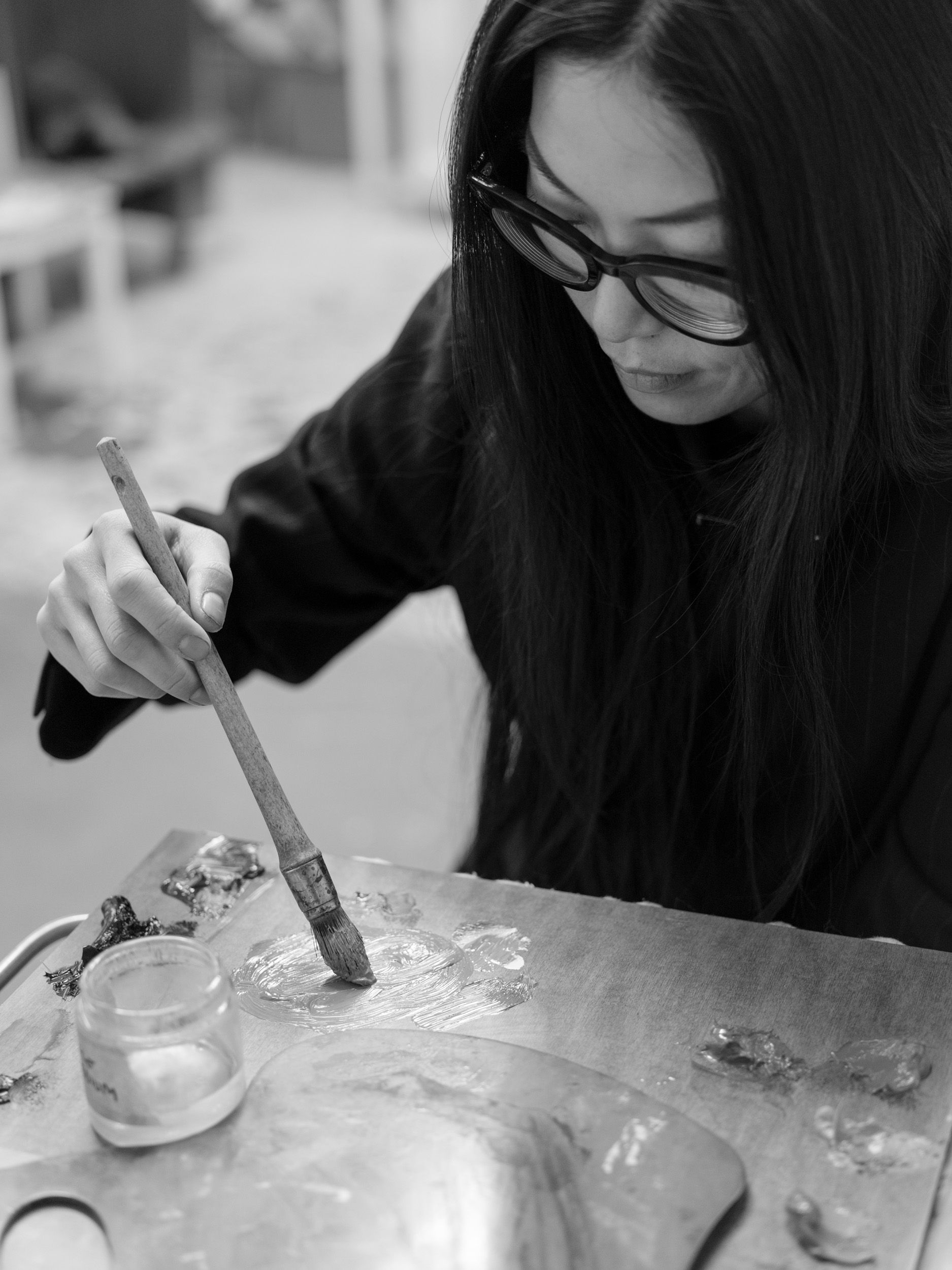
My relationship with hog hair brushes began in 2005 while I was studying under the painter Elizabeth McIntosh in Vancouver. When people first learn to paint, they tend to gravitate toward softer, more synthetic brushes as they produce a smoother effect. Yet, in all aspects of my practice—whether it’s collage, textile assemblage or sculpture—I’ve always been attracted to processes where you can see the artist’s hand. I remember admiring how stiff hog hair brushes were and how they produced this unforgiving mark—you can see a trace of the individual hairs in the brushstroke; they don’t hide the materiality of the paint. When you look at my paintings in real life, you really can see the mark of my hand.
While painting as a medium is important to me, it’s much more about working with my hands and using it as a means of storytelling. At art school, we were taught to define who we were as artists and what our work was about, and that continues when artists exhibit at galleries and museums. I’m more interested in just exploring color, texture and putting things together—if it happens with paint, that’s great, but sometimes it’s in textiles.
I recently took about five or six years off painting and focused more on installation works, such as performance and sound pieces. In that time, I forgot about hog hair brushes, but since returning to painting a couple of years ago, I have used nothing else. I’m now realizing they’re so much more than just a brush. There are artists who have used the same hog hair brushes for 10, 15 or 20 years. The paint collects at the bottom of the brush, creating this sharp form that you can use to draw into thick paint or various surfaces. It allows you to be rougher and more physical with the surface you are working with.