( 1 ) Some of Hadid’s more notable fashion dalliances include a radical reinterpretation of the Louis Vuitton bucket bag produced in molded plastic, a shoe for United Nude featuring a 6.25-inch unsupported heel and a traveling exhibition space created for the 50th anniversary of Chanel’s quilted 2.55 handbag.
Set DressingWhere architecture meets fashion.
Set DressingWhere architecture meets fashion.
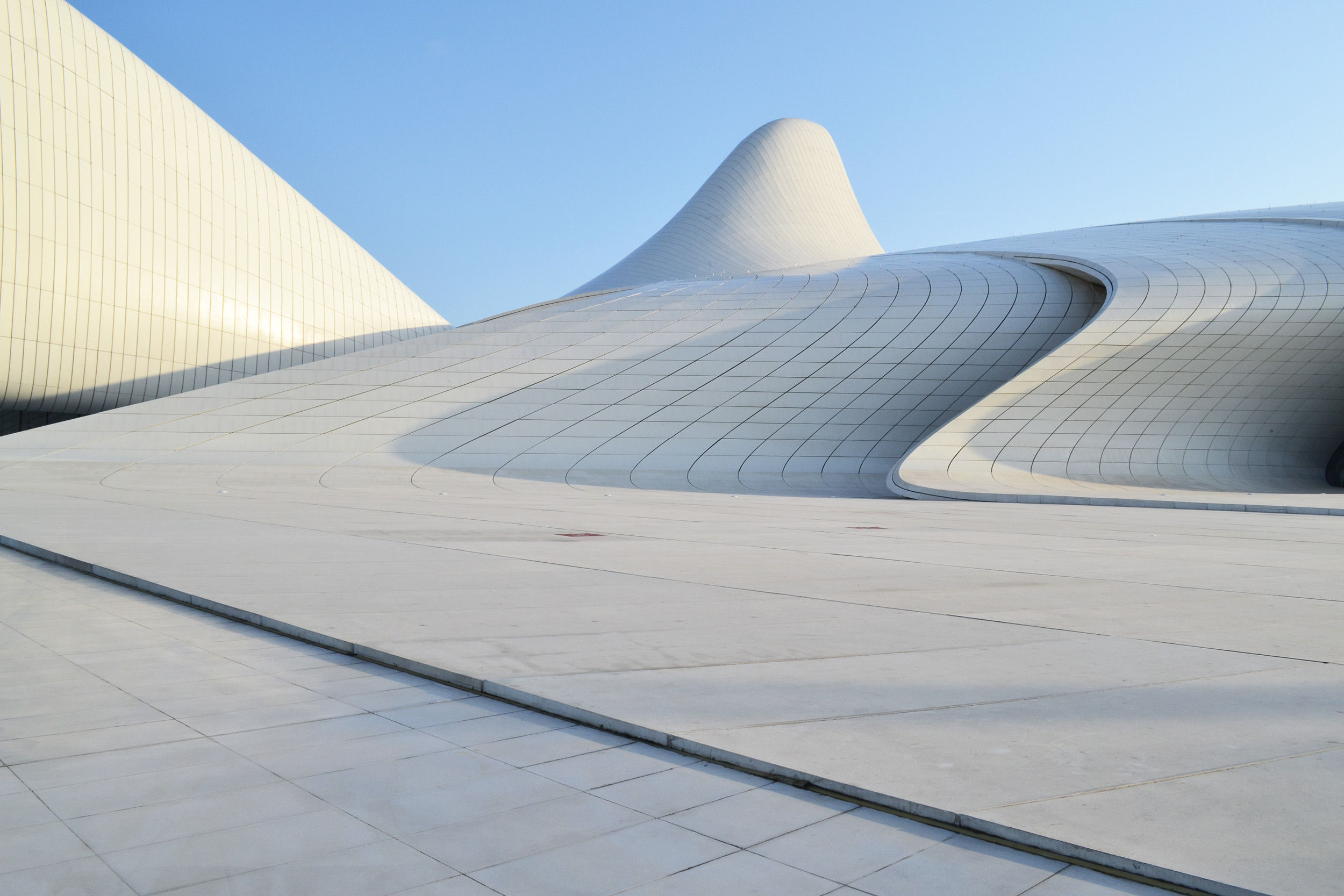
In a rare convergence of contemporary fashion and architecture, the late Zaha Hadid designed shoes, jewelry and handbags that are at home in her audaciously fluid buildings.1 That this is so remarkable emphasizes a strange truth about these two great and complementary arts: Architecture and fashion have moved far from one other, falling out of lockstep, innovating according to different rules and at different speeds.
It wasn’t always this way. An intricate blending of fashion and architecture pre-vailed in Europe through to the 19th century. Architectural historian Eugène Viollet-le-Duc demonstrated this in a drawing of a medieval Venetian palace: An aristocrat sporting sumptuous robes stands in an ornate hall while his simply but elegantly dressed wife enters the more restrained living quarters and men at the canal level converse in cloaks and breaches typical of the lower classes. Fashion and architecture elide here because both adhered to strict societal controls dictating how the classes presented themselves.
When Viollet-le-Duc created the drawing in the 1870s, however, this connection was beginning to loosen. Photographs of the 1893 World’s Columbian Exposition in Chicago make this especially clear. The women’s voluminous dresses complement the site’s grandiose white buildings, but the men’s austere dark suits hint at a change: Modern clothing and neoclassical architecture would have little to do with each other.
As German architect Hermann Muthesius explained around 1900: “In the nineteenth century there was continuous simplification, leading up to today’s unornamented dress and top coat.” Modernist architects applauded this sobering trend, professing that buildings should follow suit, and the two disciplines were momentarily back in sync. In the 1920s, a plain gray suit or a simple sheath dress blended beautifully with a building by Le Corbusier. And 40 years later, men in these same suits and women in fit-and-flare dresses looked fabulous amid blocky mainframes in Eero Saarinen’s IBM offices.