Show Respect On appreciation, not appropriation.

Show Respect On appreciation, not appropriation.

  • Words Selena Takigawa Hoy
  • Photograph Gustav Almestål
  • Styling Andreas Frienholt

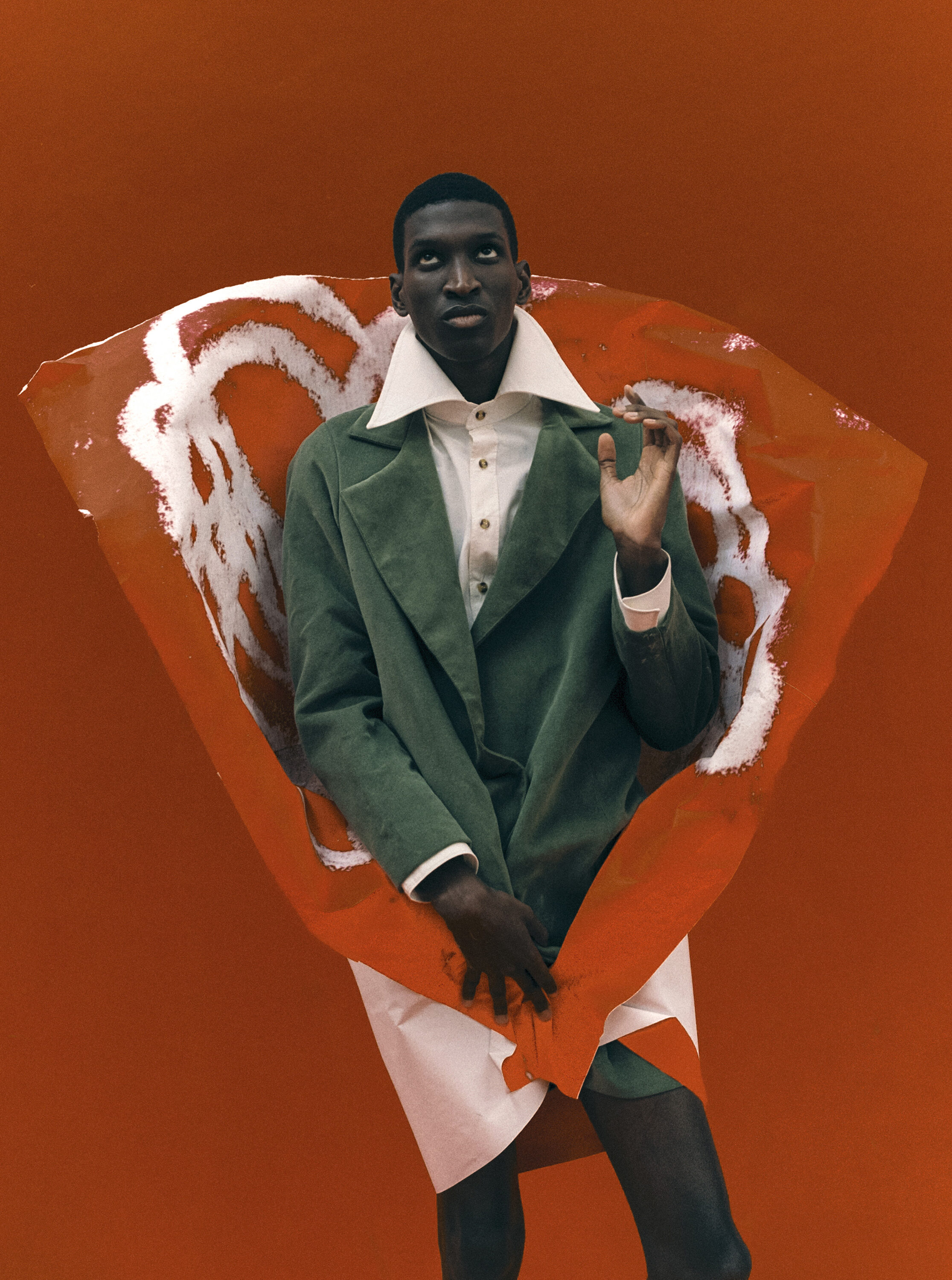
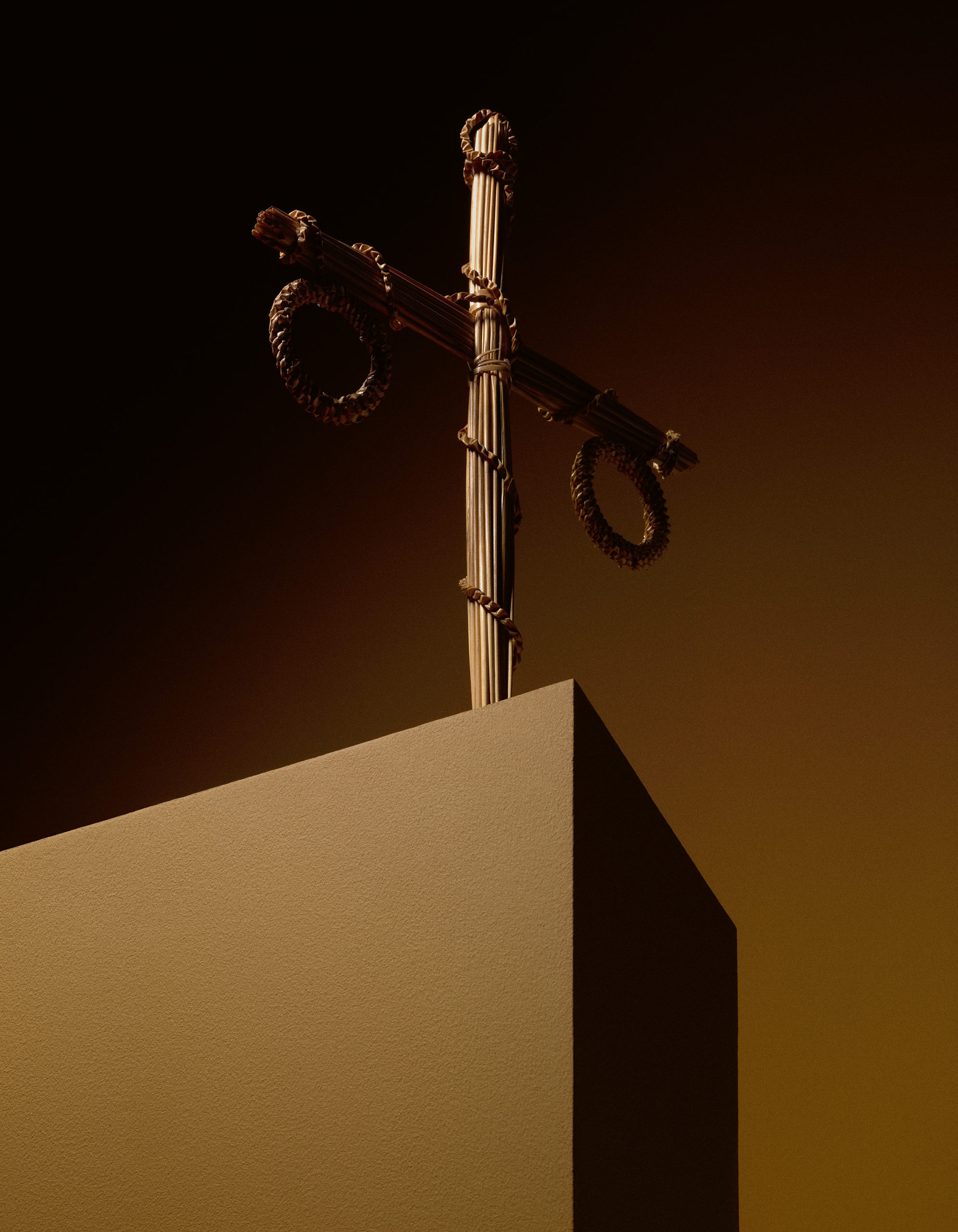
Every August, I break wooden chopsticks into sections and insert them into an eggplant and a cucumber, four each. I fold bright strips of paper into zigzags and attach them to twisted rice straw rope, arranged alongside young bamboo fronds. We place nashi pears on the altar and light incense, then ring a bronze bell. 

The cucumber is a horse, to convey my ancestors safely and swiftly here from the other world. And the eggplant is a cow, to carry them back slowly after their visit is over, because we wish they could linger. During this time of year, Obon, the boundary between this world and the next is easily permeable, and by performing these rites, by chanting and praying and completing actions in a preordained order, we are easing the spirits’ transition. As I go through the steps, senses are engaged, memories flood. I feel myself closer to my predecessors. 

To the outsider, though, this Buddhist–Confucian custom may look ridiculous: a bunch of twists of paper and some vegetables with sticks in them. 

Ridiculous is relative. Some of us leave our teeth under our pillows in hopes that a fairy might visit in the night to buy them. Or hang socks on the wall and put out cookies in hopes that a fat man flying across the sky with a herd of reindeer might come and fill the socks with gifts. Or step on a glass at a wedding, dip a baby in a river, wind ribbons around a pole while wearing a flower crown. 

A ritual at its best helps us to access deeper meaning. The intricate steps can feel like a magic spell to unlock some mystery of life. For many, rituals are deeply personal, contemplative and sacred. They wear grooves in a culture, carved from the weight of history. In following those well-worn tracks, we travel the road our forebears laid, evoking a cellular familiarity.

What about when those rituals are only skin-deep, and you’re an outsider looking in? A lot has been said about cultural appropriation versus appreciation. At its core, the difference is about power and respect. A quick survey of keywords like “rituals and traditions around the world” on the internet yields scores of facile clickbait articles meant to shock and titillate, using words like “craziest,” “weird” and “bizarre.” It’s no wonder people feel protective and affronted. When our dearest traditions are reduced to a quickie Instagram post, or are commodified for cash, it stings. 

It doesn’t have to be that way. People are often eager to share their beloved customs with receptive new friends. As teenagers renting a little flat in Andalusia, my friend and I invited most of the neighborhood to our table for a Thanksgiving meal. Even though that particular holiday doesn’t exist in Spain, our guests could easily appreciate gratefulness, conviviality and food. And in return, they gave us red underwear on New Year’s Eve. 

Rituals deepen connection, and cultural exchange is inevitable. When studying the meanings behind the rites we perform, we often find there’s more to connect us than we thought. We use them to celebrate love, remember the dead, mark momentous occasions. When done with invitation, listening and reciprocity, it can be an experience tinged with warmth and camaraderie. 

At the end of three days, we point the horse and the cow westward, and light another stick of agarwood. “Safe journey,” we tell them. “See you next year.”

FREE PREVIEW

Take a look inside Issue Sixty

You are reading a complimentary story from Issue 38

Want to enjoy full access? Subscribe Now

Subscribe Discover unlimited access to Kinfolk

  • Four print issues of Kinfolk magazine per year, delivered to your door, with twelve-months’ access to the entire Kinfolk.com archive and all web exclusives.

  • Receive twelve-months of all access to the entire Kinfolk.com archive and all web exclusives.

Learn More

Already a Subscriber? Login

Your cart is empty

Your Cart (0)