- Words Selena Takigawa Hoy
- Photos Ju Yeon Lee
Soak. Steam. Splash.
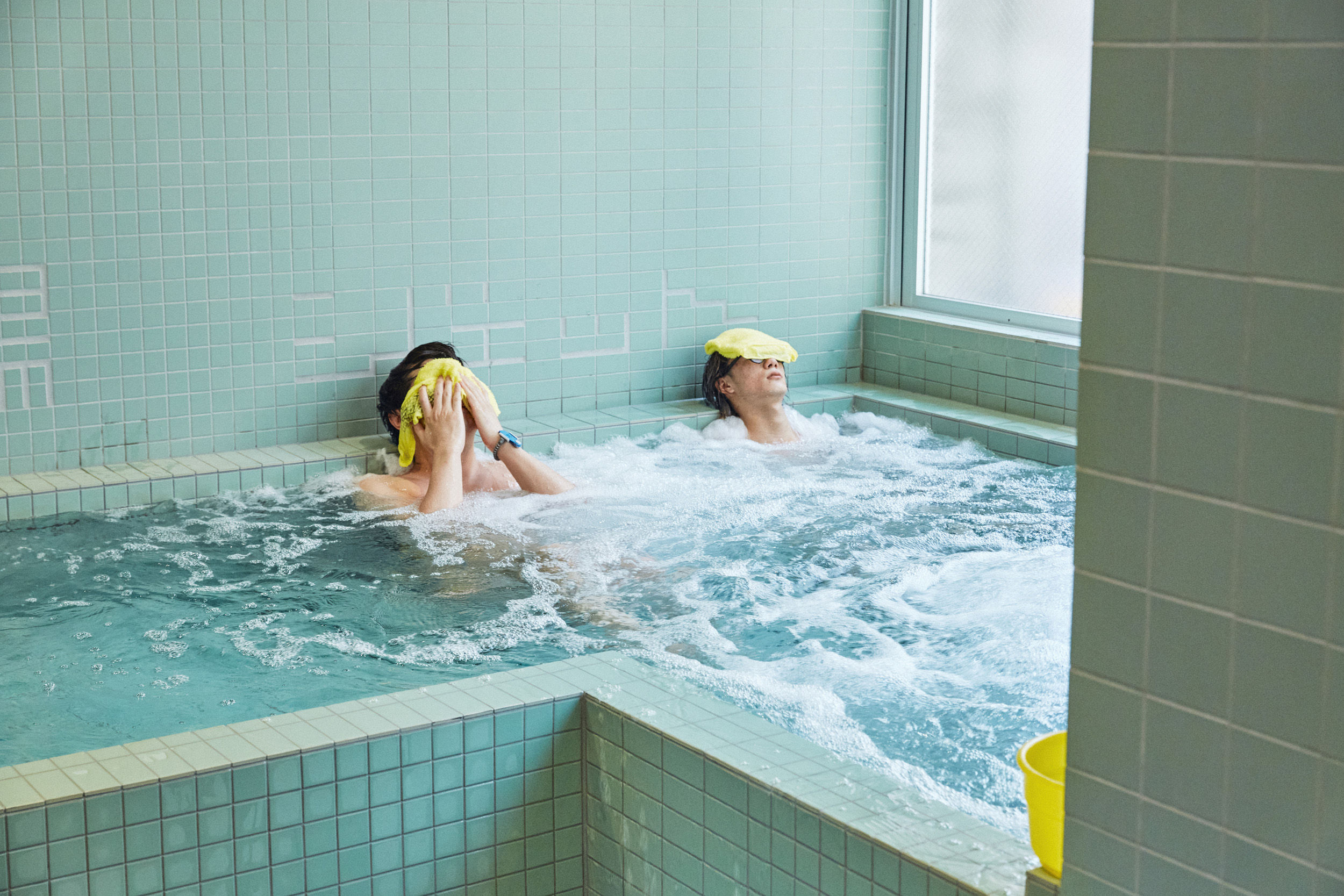
Public bathing is a national pastime in Japan. There are more than 27,000 hot springs on the archipelago, and bathhouses, or sentō, have been popular in urban centers since the 17th century. In Edo, the city that became Tokyo, space was at a premium and heating water for individual homes was expensive (it also increased the risk of fire in a city made almost entirely of wood). But from this necessity, sentō would become more than just a place to get clean, and for centuries they have been a cultural hub, a place to congregate and chat.
It is only in recent decades that homes in Japanese cities have had their own bathrooms; in the 1960s, it was around 60%, today, it’s over 90%. The number of sentō has steadily declined as a result, but they are seen as such a key part of Japanese society that their prices are regulated by the government—¥550 ($3.50) a visit for the more than 400 sentō in Tokyo.


