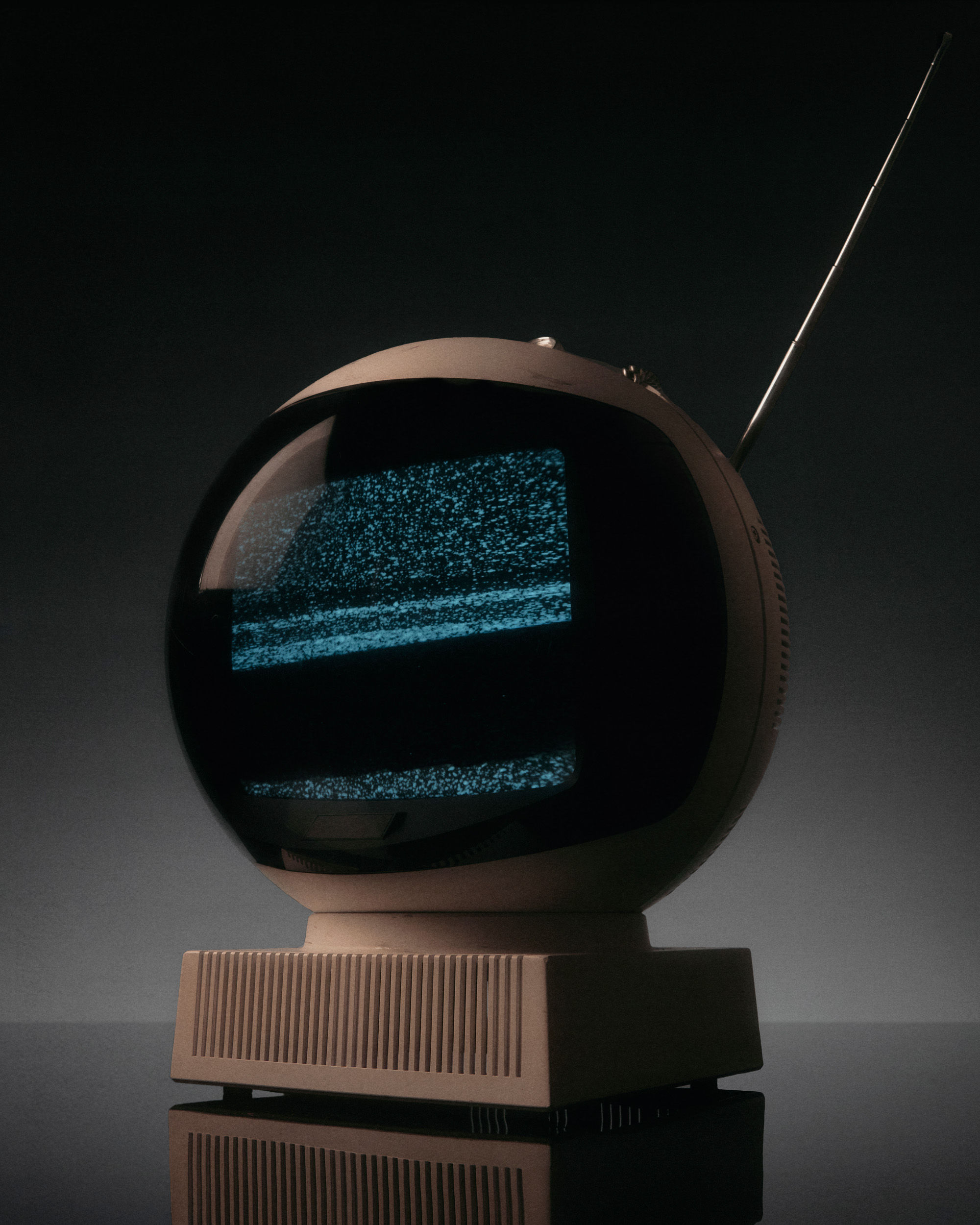
Photo: Courtesy of Kintzing.
( 1 ) The Coalition for Better Ads was founded in 2016. Though presented as an effort to improve the online experience, its formation was largely driven by industry fears that the rise of ad-blockers threatened the digital advertising ecosystem.
The Price of PeaceOn the rise of the annoyance economy.
The Price of PeaceOn the rise of the annoyance economy.
There once was a time when commercials were prized for their artistic merit, and meant to be enjoyed. Yet the recent rise of streaming services and social media platforms has given way to another approach, where companies see ads less as an expression of brand identity, and more as a way to encourage users to sign up for new subscription tiers.
Netflix launched its less expensive, ad-supported tier in 2022; Instagram added ads to its search results a year later, and soon after, YouTube began introducing 30 seconds of unskippable ads to accompany certain videos. As a result, streamers and services are being incentivized to show more ads, for longer, with many users complaining that they have become dull, disruptive and repetitive. In other words, what was once an art form is now engineered as an annoyance.
This new relationship to ads has come a long way since the internet’s first banner—a simple, small rectangle promoting AT&T on the former online magazine HotWired in 1994. In part, this is down to digital platforms reducing their ad prices, allowing companies with smaller budgets a chance at the prime spots. Today’s digital come-ons are often cheaply made or AI-generated, jarring or misleading, and strategically placed to interrupt the video or article you are trying to enjoy.1
Regardless of quality, a 2018 study by music streaming service Pandora, authored by the California-based company alongside scientists from Netflix and Uber, found that when users are faced with countless ads, they are more likely to convert to an ad-free subscription. The success of such tactics—creating a diminished experience that customers can pay to fix—has seen many other services follow suit. Some of the biggest dating apps, such as Hinge, Bumble and Tinder, now limit the number of people you can express interest in, how visible you are to others, or even the type of matches you receive until you opt into a premium service. Users of Duolingo are now also required to pay to remove the presence of timed ads after every lesson in the language learning app.
It’s not a surefire approach. The Pandora study also found that, when ads are unbearably frequent, more customers will leave a service than subscribe, and a recent study by the media platform Picnic and the market research company YouGov discovered that more than two-thirds of people now find online advertising unpleasant. Taken together, these two studies suggest that ad-supported tiers could lead a service to hemorrhage users.
For now, most companies are doubling down, and the practice has rapidly become the norm. The New York–based market research firm Antenna estimated that, at the end of the first quarter of 2025, there were nearly 100 million ad-supported subscribers to subscription-based streaming services like Netflix and Hulu in the US. This figure is expected to double by 2027. And in any case, as cultural critic Ted Gioia notes, platforms like TikTok are so deliberately addictive that, even when ads come up, we’re much less likely to move on to something else. “They pace the videos to give the kids a jolt of dopamine every few seconds,” he writes, “and the users keep scrolling.” These days, at least online, anything that seems free comes with a price: advertising.