THE TRAIN TO BROKEN HILL
A thirteen-hour odyssey into the heart of the Australian outback.
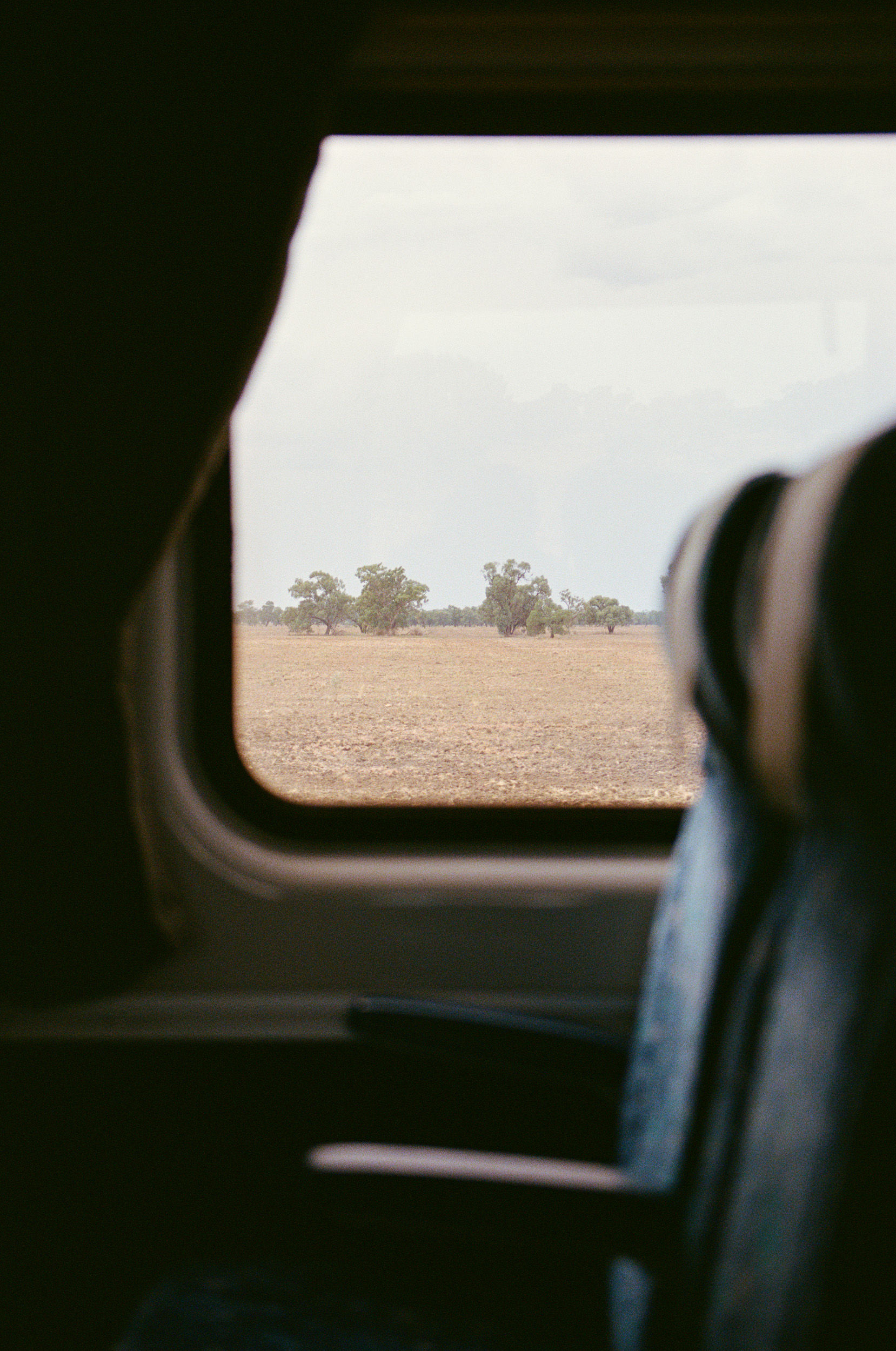
Out the window, the Australian landscape is arid: red soil, dusty grasses, trees no taller than a person. Kangaroos stretch their necks curiously as the train trundles past, and in the distance, there are herds of wild emus, pigs and camels.
“There’s no such thing as the outback,” says Graham, who has been working the buffet car on the Sydney to Broken Hill route for the past seven years. With a grin that suggests he’s pulled this line before, he explains that it’s all a question of perspective.
For people living in Sydney, anything beyond the tall eucalyptus forests of the Blue Mountains might classify as “outback.” Blue Mountains locals would counter that they are within commuting distance of Sydney and you need to go to the small, isolated cities of Orange or Dubbo for the true outback experience. But there, people would point you farther west—to Ivanhoe, perhaps, a desert township where medical services are provided by flying doctors. And so it would go, on and on until you reached Perth on the west coast, where locals would undoubtedly tell you where to find the outback: “Behind you!”
The truth of this joke is that no one considers themself living in the outback because it is a concept defined by the absence of life. No one, that is, except perhaps the residents of Broken Hill—a city of some 17,000 people in the far west of New South Wales. Built on Barkindji land traditionally occupied by the Wilyakali people, it is Australia’s longest-running mining town and sits squat to a man-made mountain of waste accrued over more than a century of digging for silver.
Yet the city has another identity as a proud hub of culture relating to the outback experience. In the 1970s, the town was home to the Brushmen of the Bush, a celebrated group of five self-taught artists whose work valorized the desert landscape, and today there are more galleries than bars in town.
In 1994, Broken Hill gained a new fan base when it featured heavily in The Adventures of Priscilla, Queen of the Desert, a cult movie about two drag queens and a transgender woman traveling through the outback on their way to a residency in Alice Springs. The trio stops off at the Palace Hotel in Broken Hill, where they shock local sensibilities (Anthony, the instigator of the trip, is wearing a dress made of stitched-together flip-flops) before ingratiating themselves by equaling the residents’ rough humor and drinking prowess.
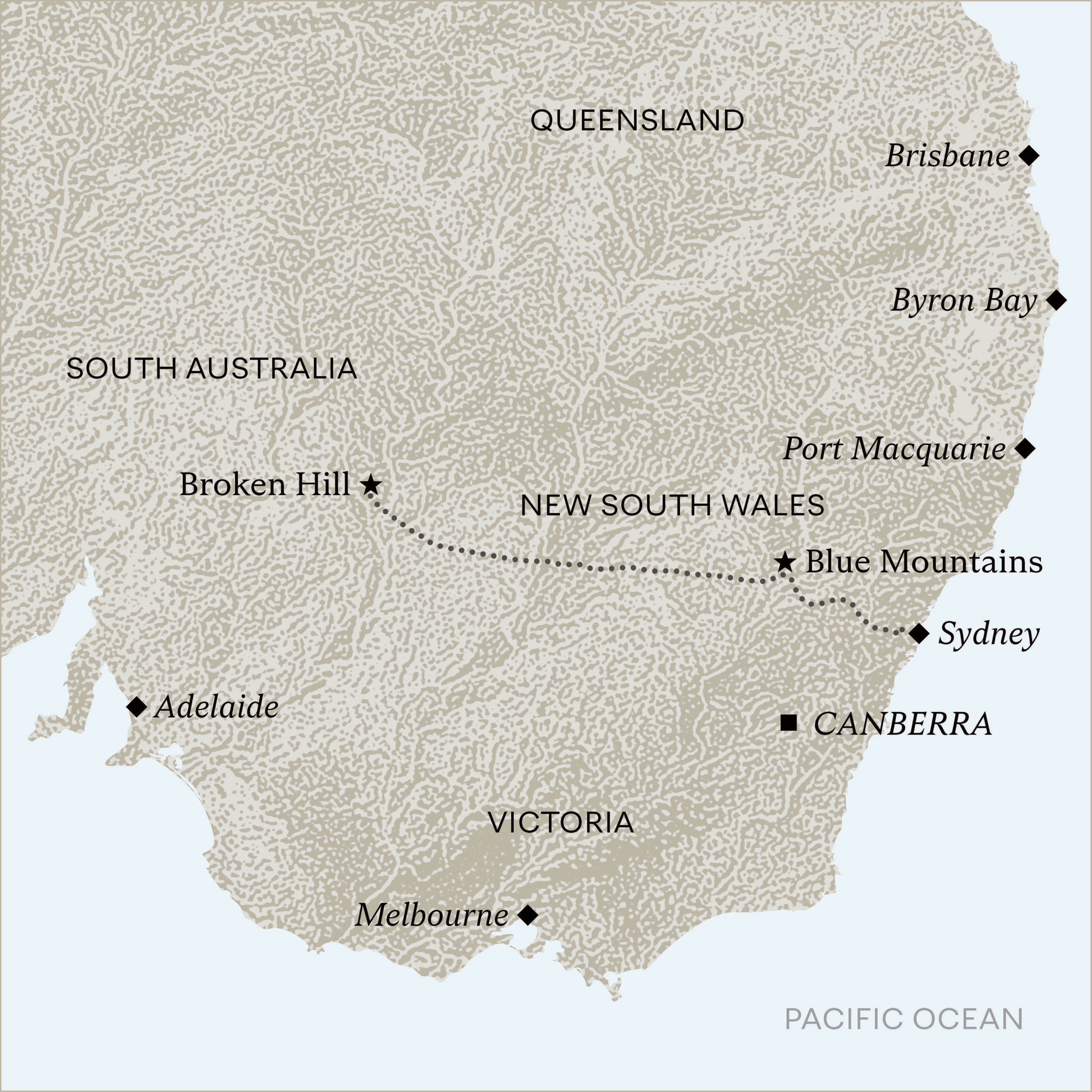
GETTING THERE The train from Sydney to Broken Hill runs once a week, on Mondays, leaving Central Station at 6:18 a.m. and arriving at 7:10 p.m. The train makes the return trip on Tuesdays, so visitors hoping to spend more than an evening in town will need to either stay a week or return by plane.
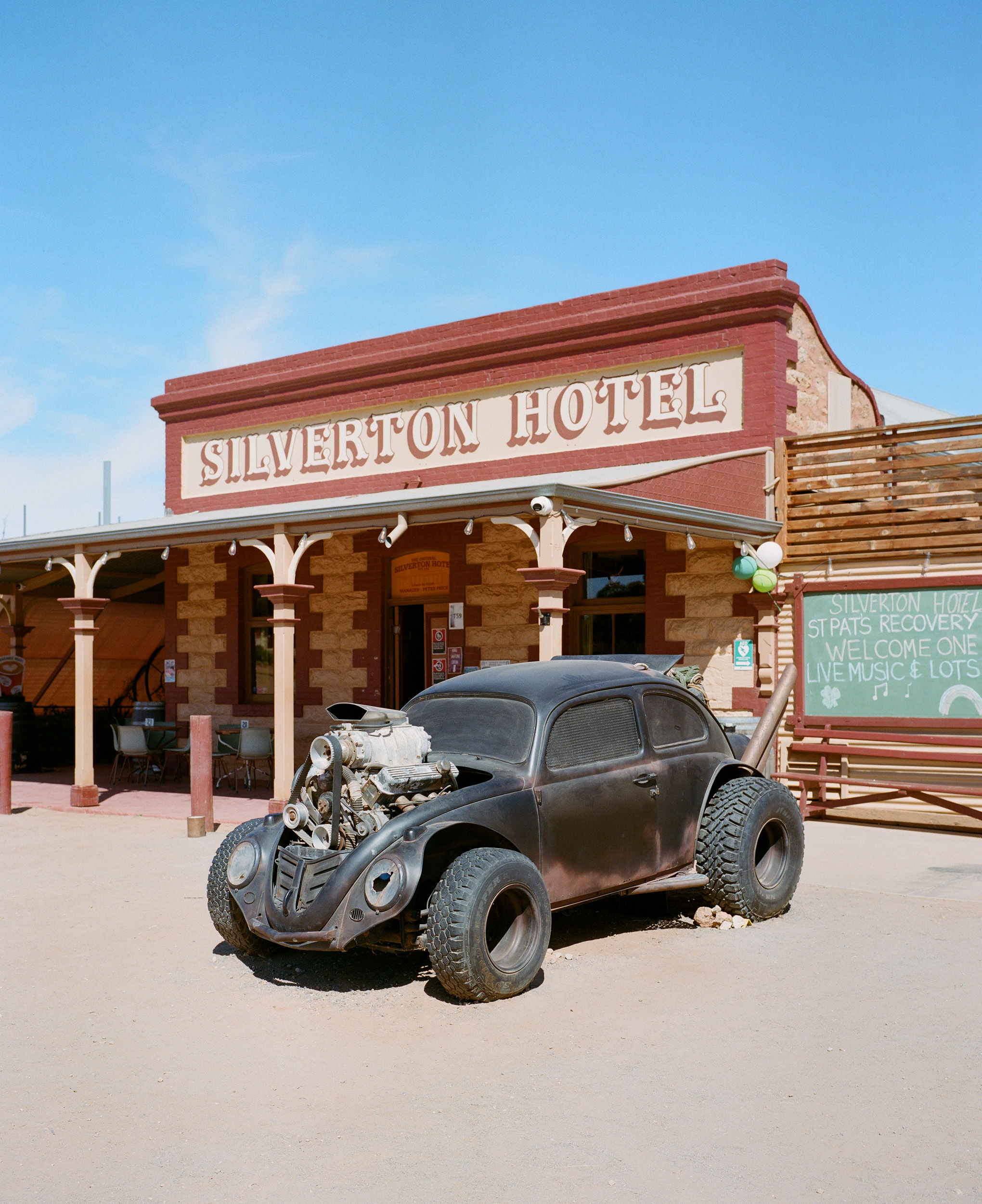
SEE & TOUR Cars booked in Broken Hill are limited to 62 miles (100 km) a day before incurring additional charges. This would get you to Silverton, a silver mining town that has become a haven for artists, the Living Desert sculpture park, and the Line of Lode Miner’s Memorial but not much farther.
STAY The rooms are shabby, but you can’t beat the iconic Palace Hotel for the atmosphere. The hotel charges a premium for stays in the rooms used to film Priscilla, but the atmosphere extends beyond these suites. The Silverton Hotel is charming, but Silverton town is best experienced as a day trip because it is so isolated.
WORTH KNOWING Odd-numbered seats will guarantee you a window on the outward train. The views on the left are best (by a slim margin) as they look onto the open valleys of the Blue Mountains and the shores of the Menindee Lakes. You can request to be moved to a different seat once you’re through the Sydney suburbs.
Broken Hill has remained a place of communion between these two worlds. There are sometimes drag performances at the Palace Hotel, which retains the same floor-to-ceiling gaudy murals that feature in the film, and the town plays host to the Broken Heel Festival every September, during which queer performers, mostly out-of-towners, entertain crowds from a stage shaped like a pink bus (the chosen means of transportation in Priscilla).
Short of a pink bus, taking the train is the most romantic way to reach this curious town. The journey from Sydney takes just over thirteen hours—no quicker than driving—and the train runs once a week in each direction. It is the only public train operating in and out of the town’s station.
It is sometimes said of Australian train travel that you could sleep for eight hours and wake up wondering if the train had moved. Perhaps such routes exist, but this is not one of them. After the stop-start of the Sydney suburbs, the train spends a few hours winding through the Blue Mountains, startling flocks of rainbow lorikeets and cockatoos. On the other side of the mountains, there are rolling green foothills, then vast agricultural fields. It’s not until midafternoon that the landscape settles into the sort of scrubland traditionally described as “outback.” Although this is a public train, staff know that many people take it for the scenery; when it reaches the shores of the Menindee Lakes at sunset, it slows so that passengers can take in this mirage-like sight, a vast body of water in the middle of the desert.
As the train nears Broken Hill, there are clues as to the town’s quirky profile. A woman enters the restroom wearing jeans and a T-shirt and emerges in a leather jacket and miniskirt. Her bag appears to contain nothing other than a large pineapple. But the street she slips off into feels eerily quiet at 7 p.m. In such a small place, nightlife gets siloed into specific pockets: drag night at the Palace Hotel, karaoke at the Broken Hill Pub. The best way to find out what is happening is simply to ask a local.
Because of the sparse rail schedule, visitors who arrive by train are most likely to fly back to the coast in a propeller plane with no more seats than a minibus. Seen from the sky during the three-hour flight back to Sydney, the land appears barren and uniform—the rust-red outback as it exists in the popular imagination. For those who arrived by train, it is satisfying to look down on this partial view and know how far it is from the full picture on the ground.
GETTING THERE The train from Sydney to Broken Hill runs once a week, on Mondays, leaving Central Station at 6:18 a.m. and arriving at 7:10 p.m. The train makes the return trip on Tuesdays, so visitors hoping to spend more than an evening in town will need to either stay a week or return by plane.
SEE & TOUR Cars booked in Broken Hill are limited to 62 miles (100 km) a day before incurring additional charges. This would get you to Silverton, a silver mining town that has become a haven for artists, the Living Desert sculpture park, and the Line of Lode Miner’s Memorial but not much farther.
STAY The rooms are shabby, but you can’t beat the iconic Palace Hotel for the atmosphere. The hotel charges a premium for stays in the rooms used to film Priscilla, but the atmosphere extends beyond these suites. The Silverton Hotel is charming, but Silverton town is best experienced as a day trip because it is so isolated.
WORTH KNOWING Odd-numbered seats will guarantee you a window on the outward train. The views on the left are best (by a slim margin) as they look onto the open valleys of the Blue Mountains and the shores of the Menindee Lakes. You can request to be moved to a different seat once you’re through the Sydney suburbs.
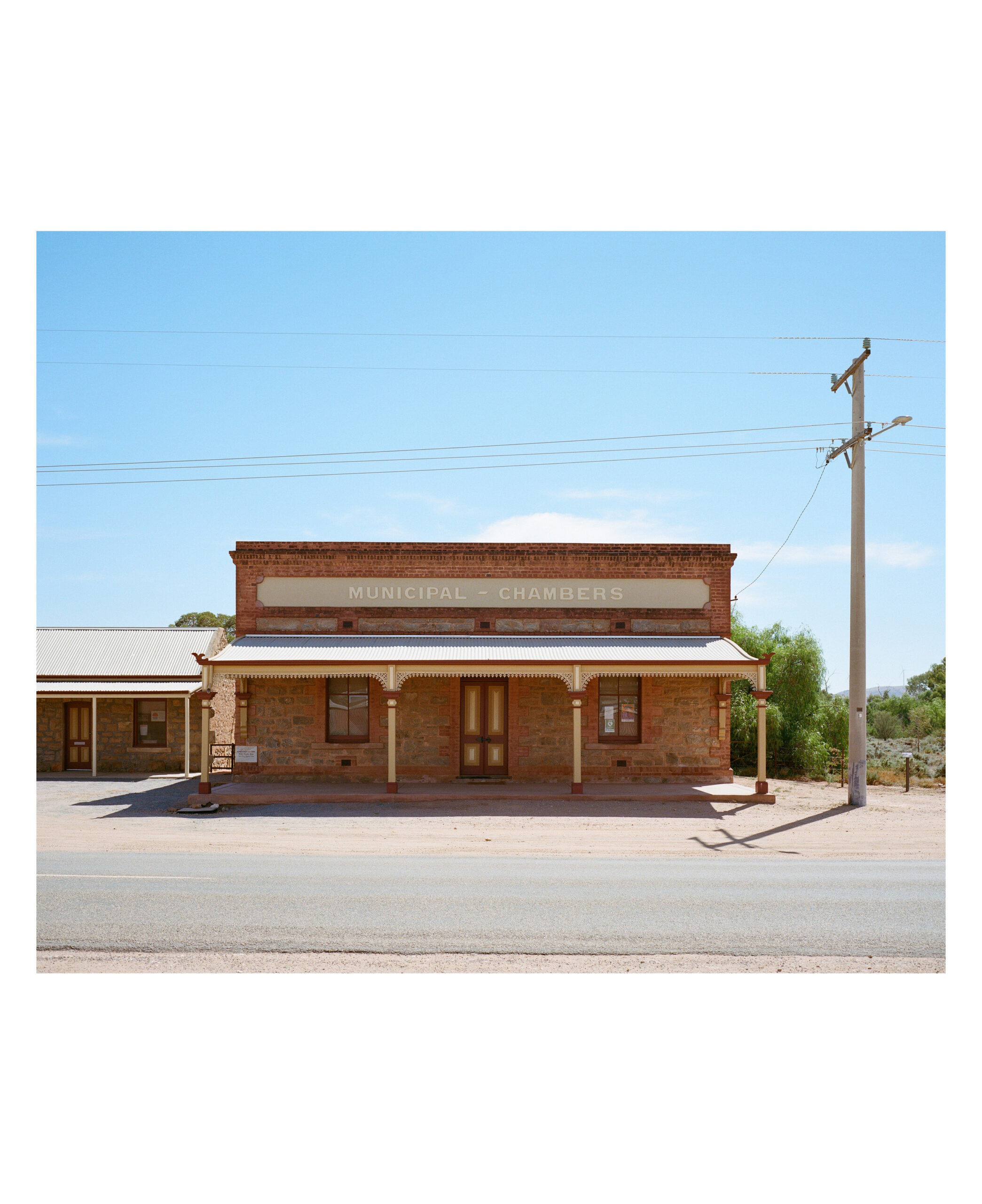
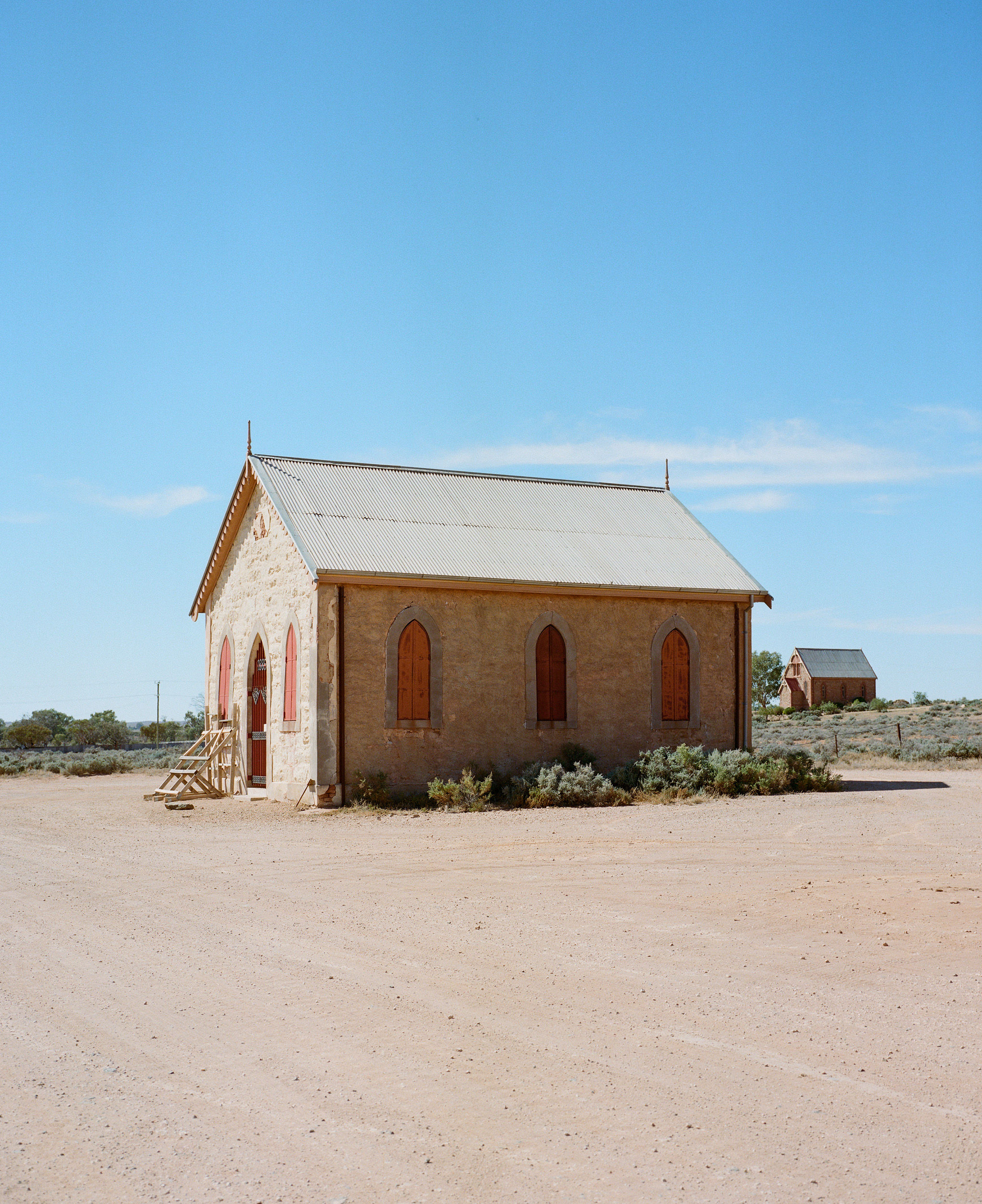
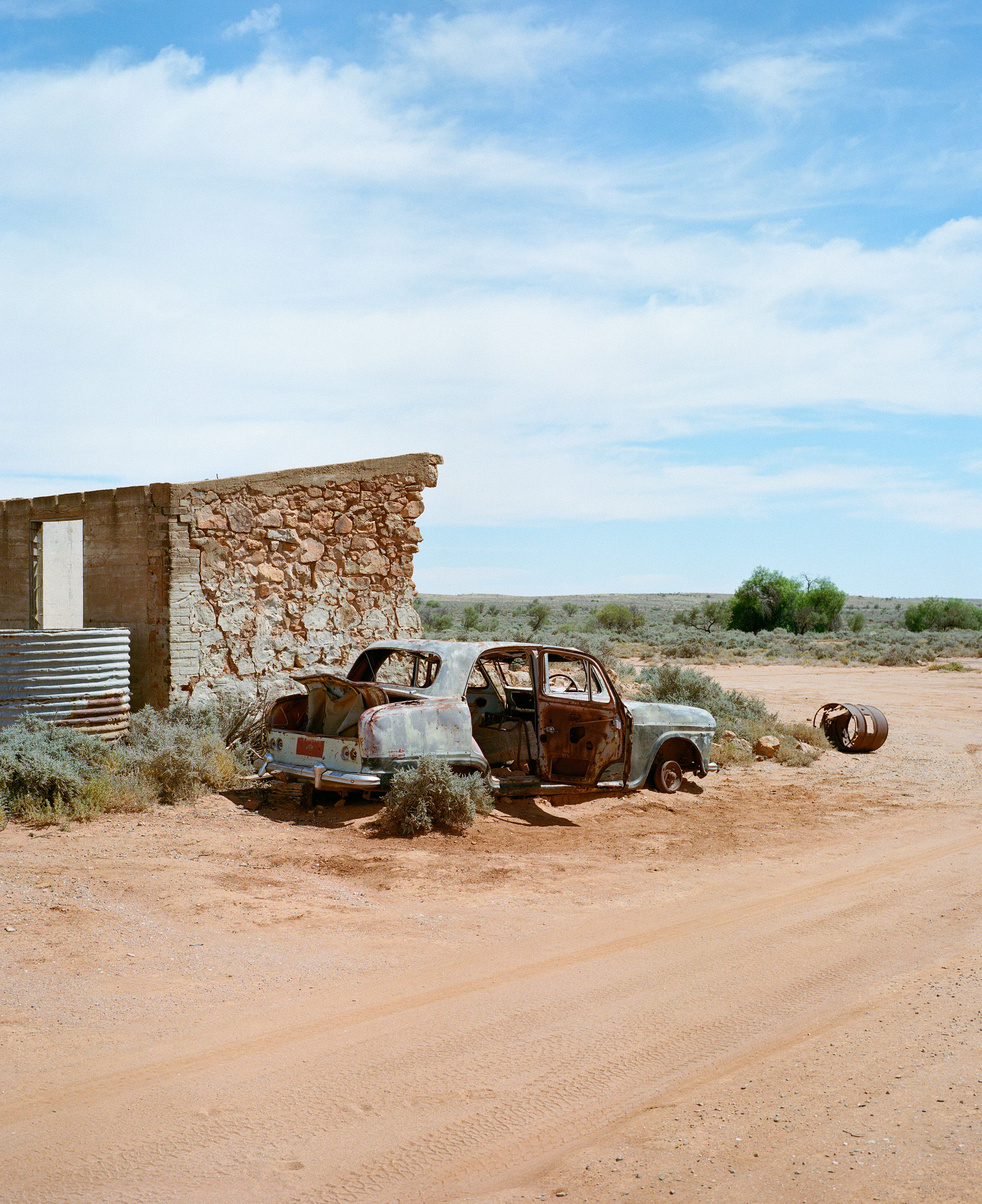
The village of Silverton, 16 miles (28 km) northwest of Broken Hill, is often referred to as a ghost town. Many of its original buildings now lie in ruins, and those that remain, such as the Municipal Chambers building, have attracted film scouts. The village, which has around fifty permanent residents, has appeared in more than 140 movies and commercials.
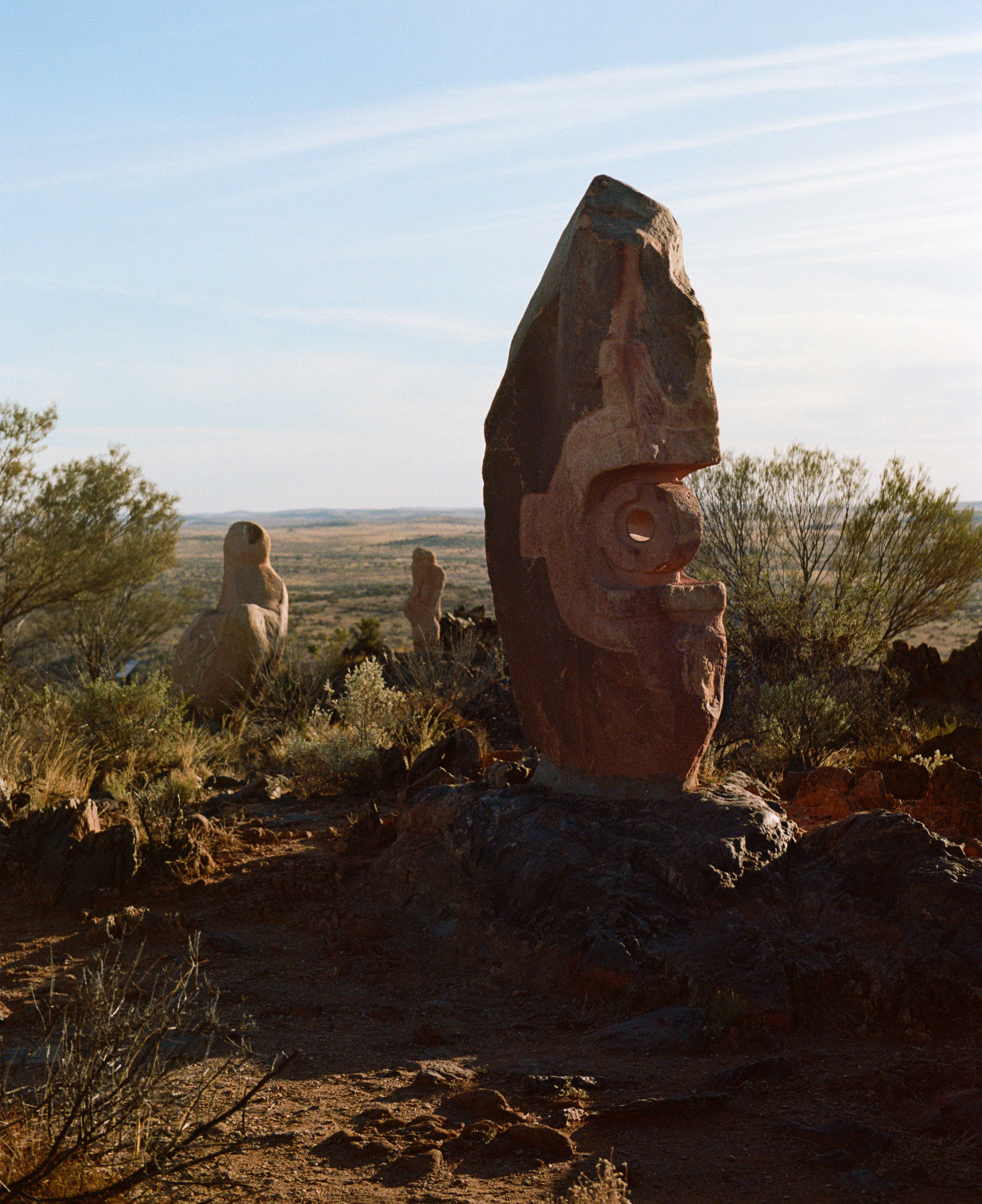
There are twelve sandstone sculptures at Sundown Hill, part of the Living Desert Reserve (around a fifteen-minute drive from Broken Hill). Best viewed at sunset, the sculptures can be accessed by a circular walking trail that takes around twenty minutes to complete.
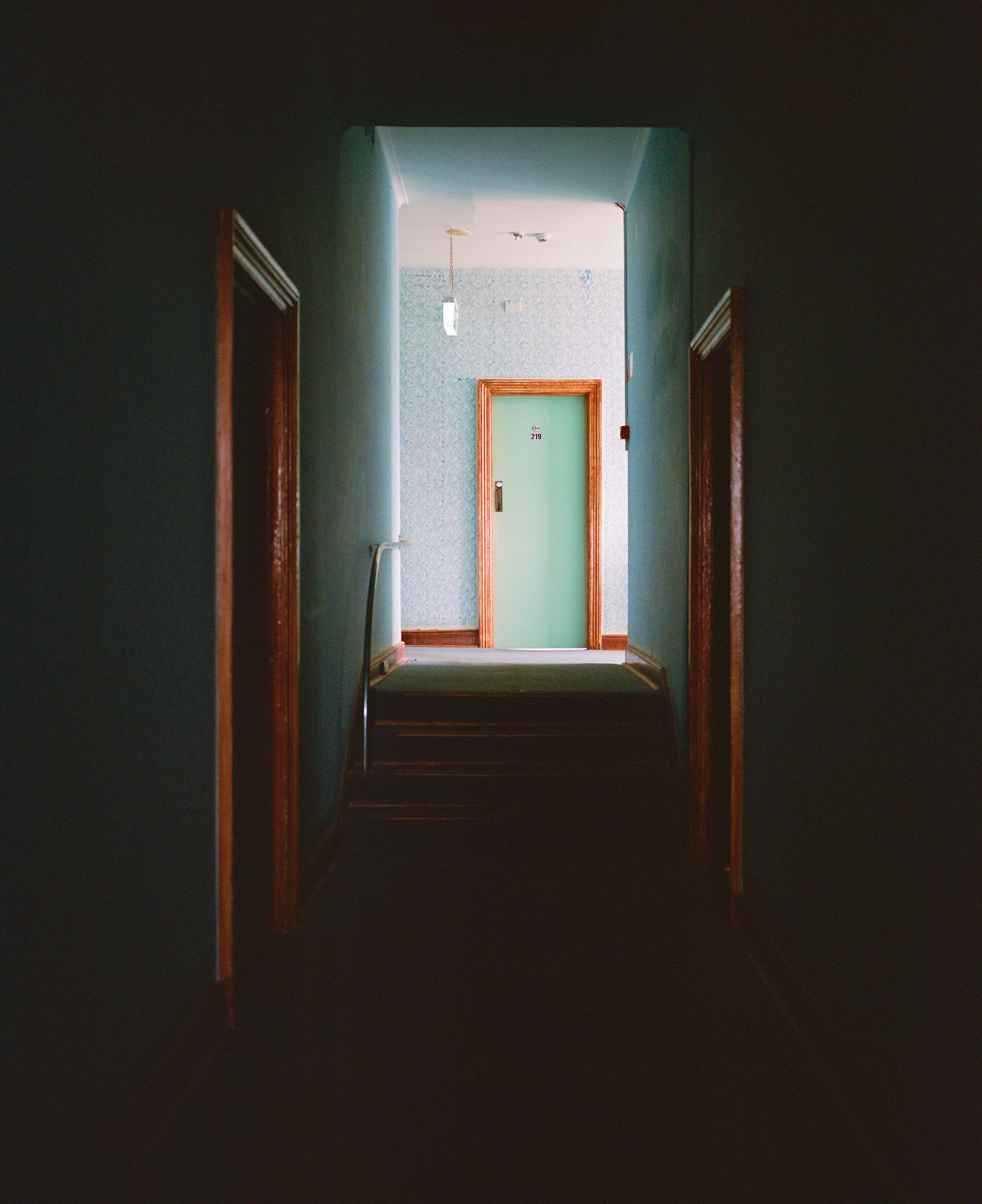
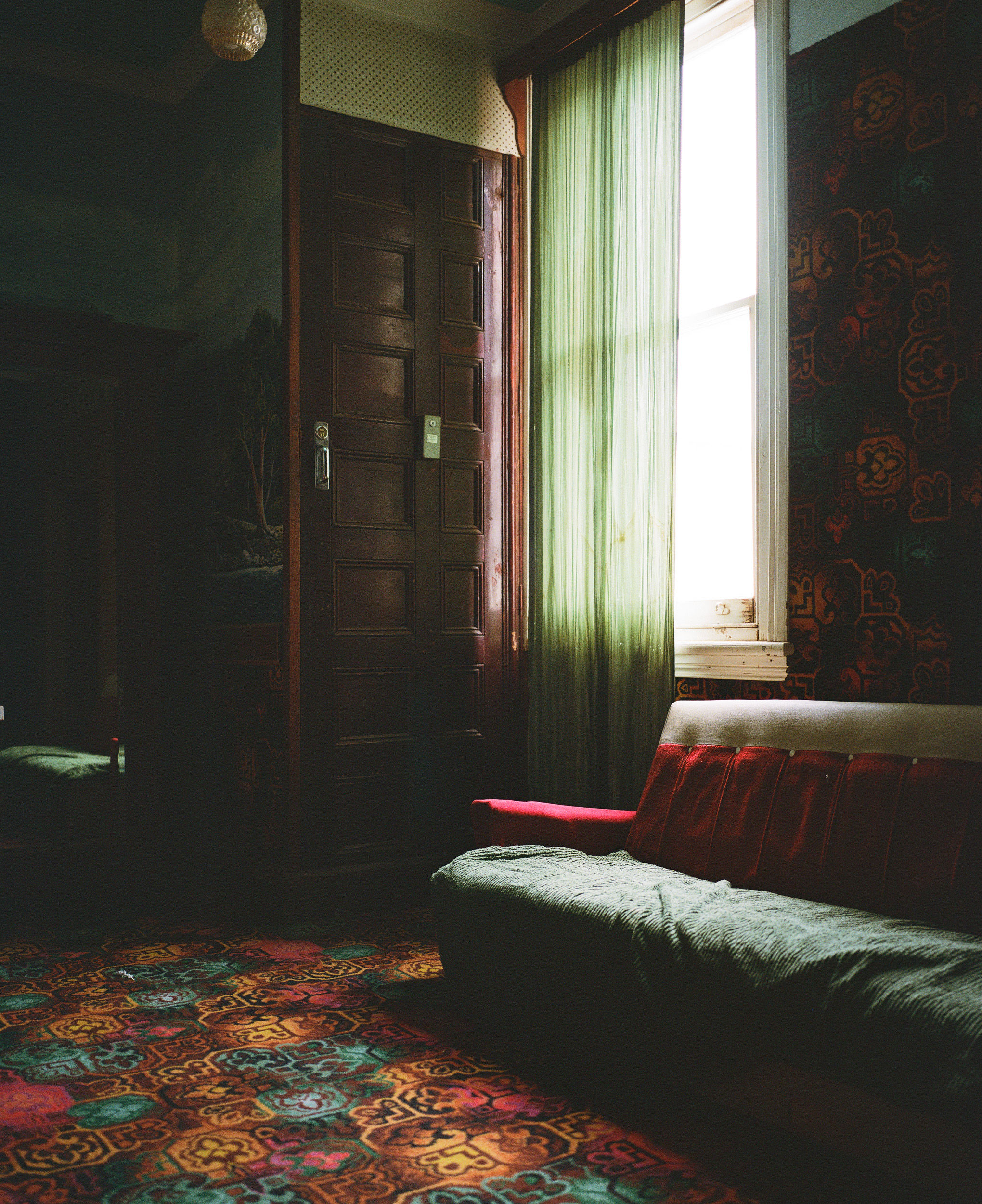
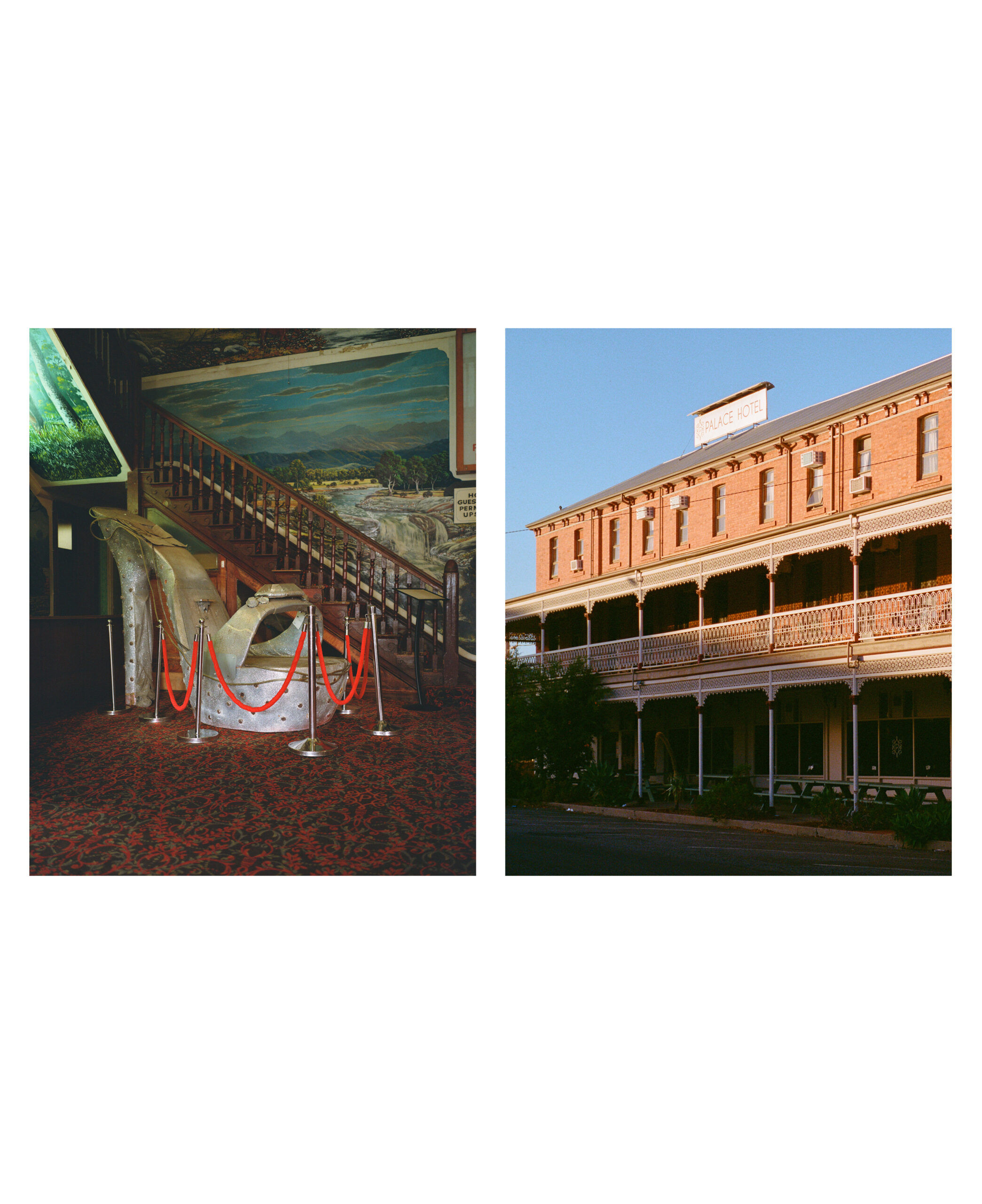
A large high-heeled shoe welcomes guests to the Palace Hotel in Broken Hill. Each year, the town plays host to the Broken Heel Festival, a three-day event featuring drag, comedy, cabaret and live music in celebration of the theatrical anniversary of The Adventures of Priscilla, Queen of the Desert.
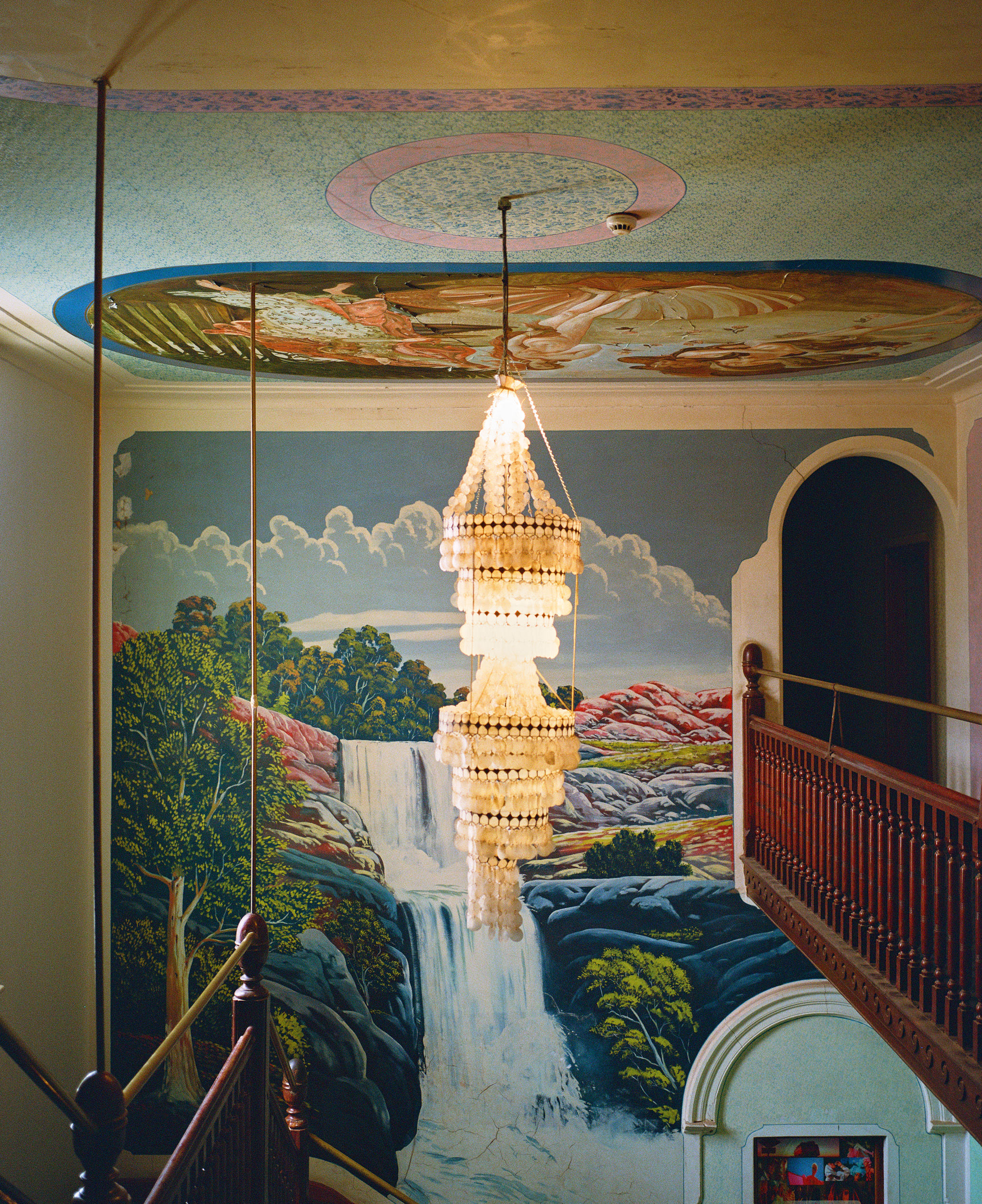
The murals at the Palace Hotel were painted over several years by Gordon Waye, an indigenous artist from Port Augusta, a small coastal city in South Australia. The only condition given by the hotel’s owner was that each mural should include a depiction of water, so that the hotel would feel like an oasis in the desert.
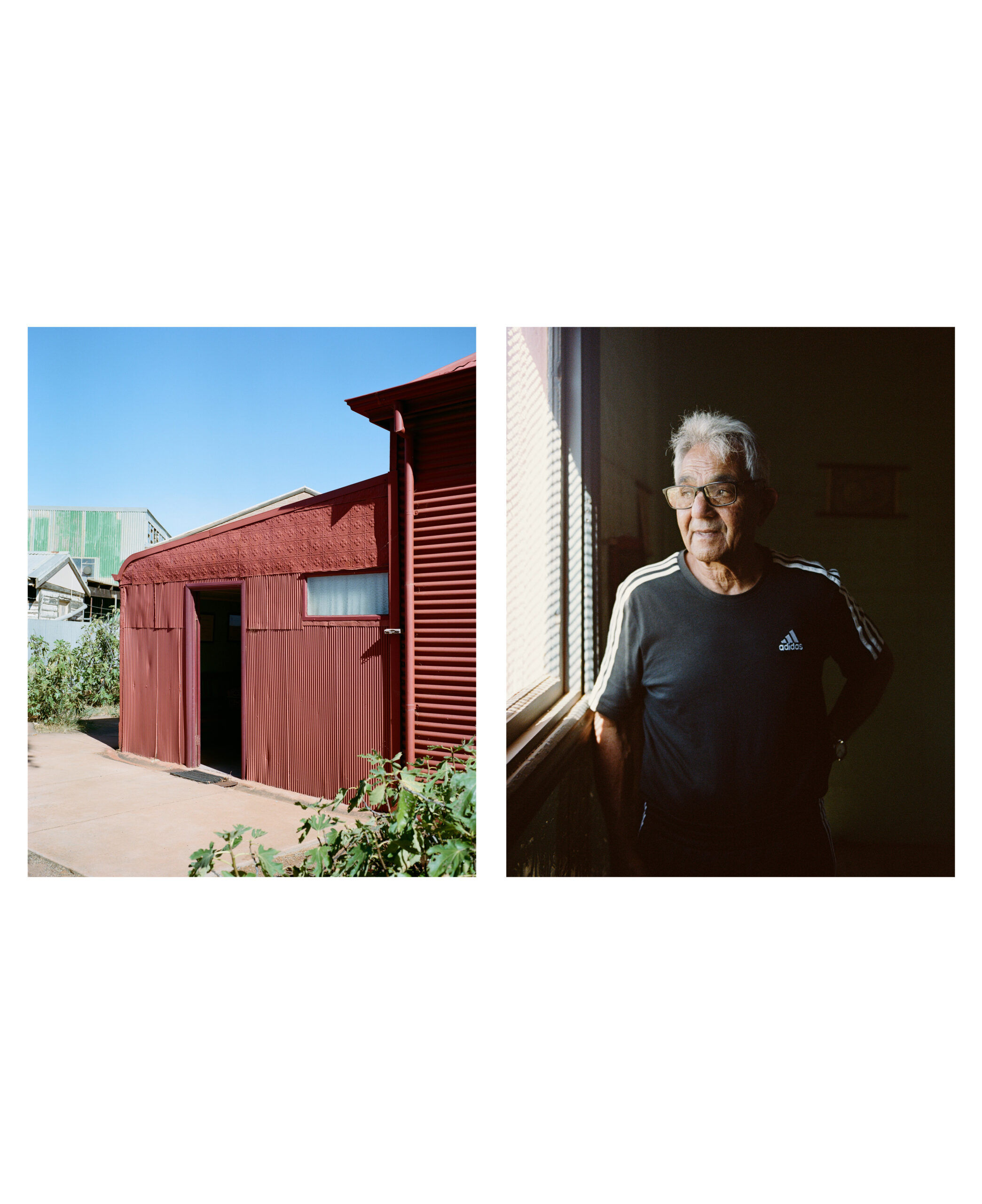
Bobby Shamroze (right), caretaker of the Broken Hill Mosque and Museum (left). The historic structure was built in 1887 by Afghan cameleers, who contributed greatly to the development of rural and remote Australia by carting produce, water, mail and equipment at a time when there were no roads or railways.
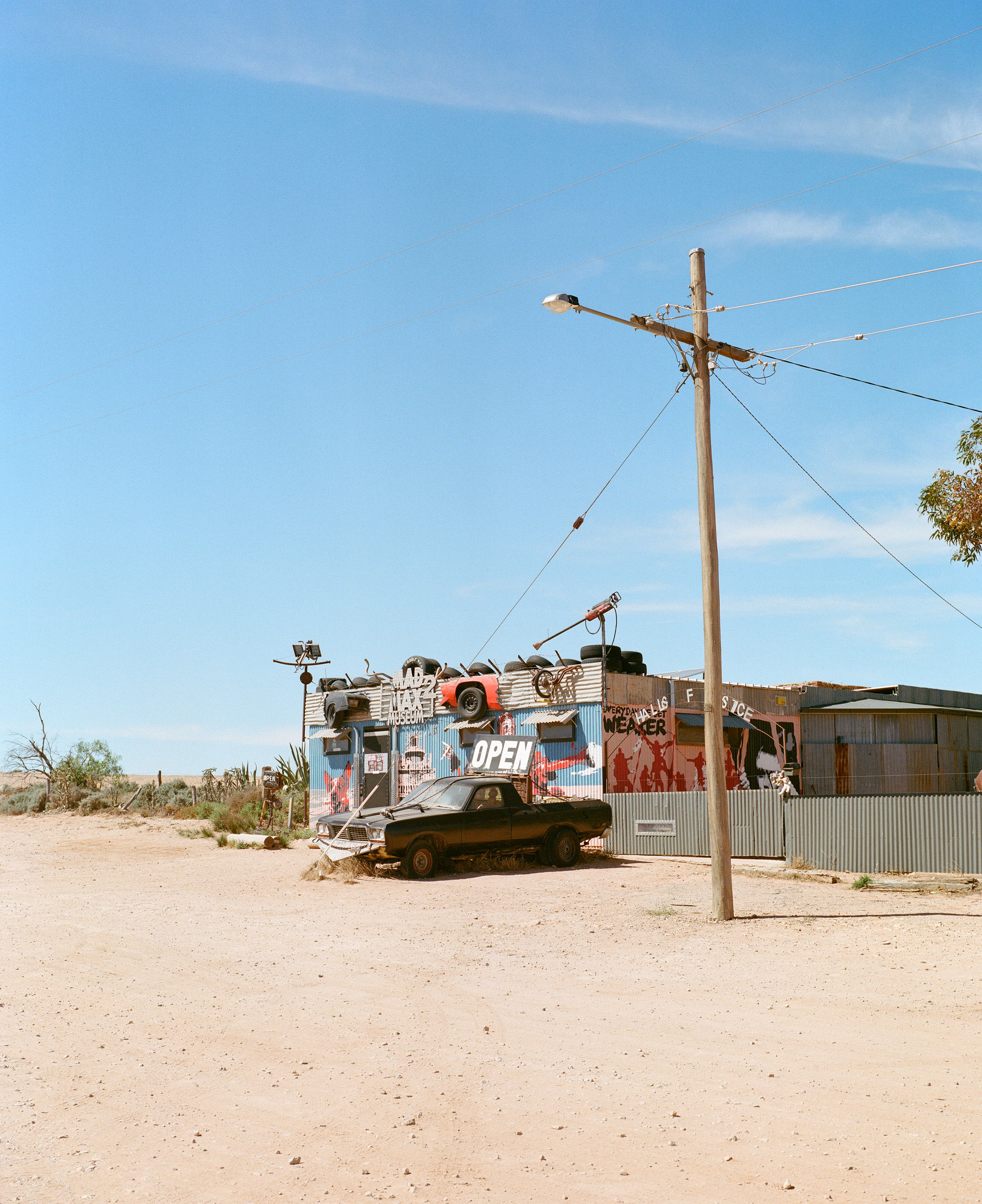
A museum dedicated to the Mad Max film franchise in Silverton. Director George Miller chose Silverton as a location for the 1981 sequel, which pitches Mel Gibson’s protagonist Max Rockatansky against outlaw gangs in a postapocalyptic wasteland world.