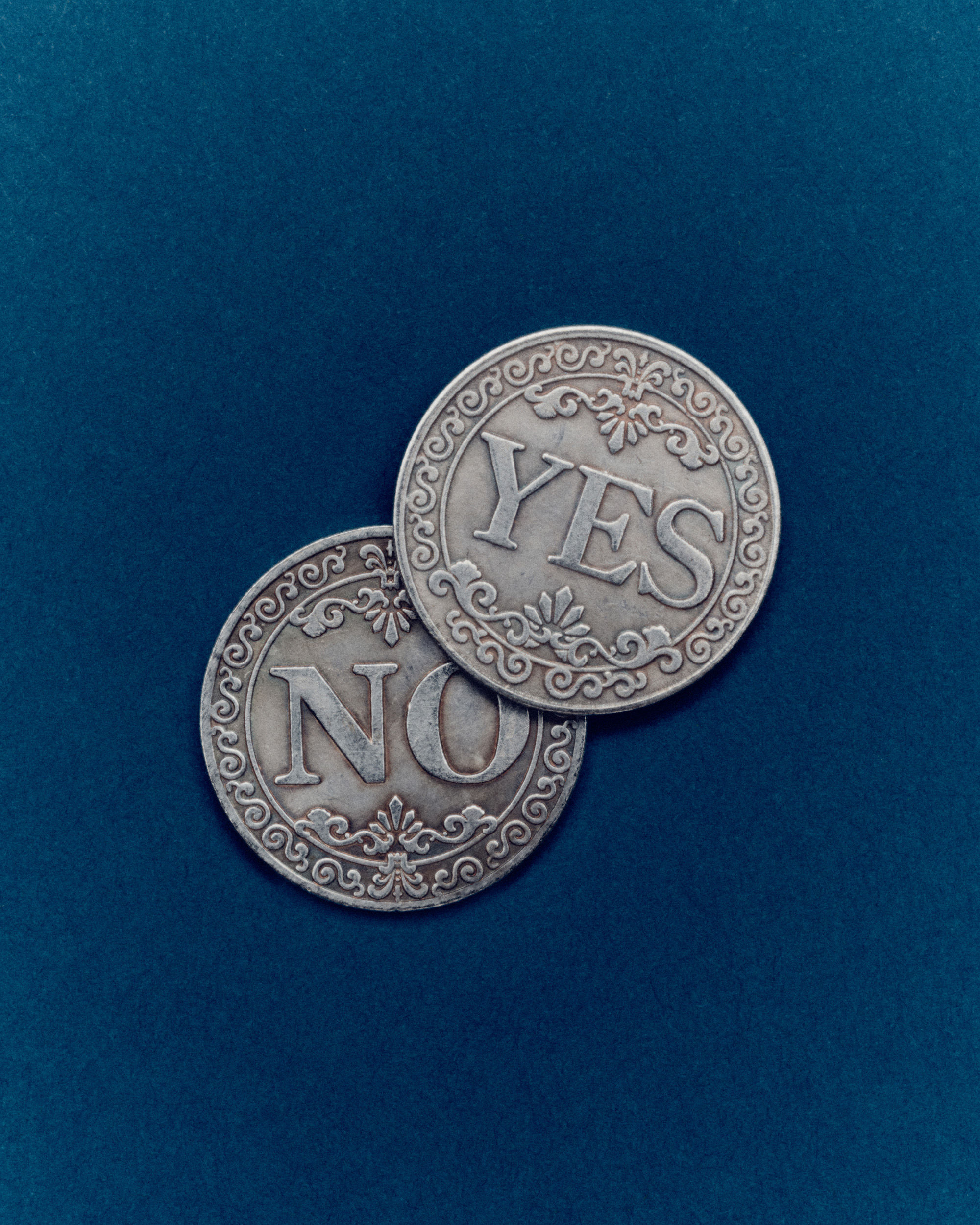
( 1 ) Studies show that digital tipping prompts can lead to a 12% to 20% boost in average gratuities—a win for employees but even more so for the companies that supply the machines, such as Square and Clover, as they charge fees on the entire transaction.
Tipping PointHave gratuities become gratuitous?
Tipping PointHave gratuities become gratuitous?
Growing up in California, one learned to tip decent service—not doing so pegged you as a cheapskate, possibly a snob, and certainly no friend to the working class. I first received cash tips when I was 15, working as a dishwasher at a family-style steakhouse, where I got a tiny cut of the waitstaff’s pooled earnings, and later as a busboy and cook. Today, I always tip when I go out for a sit-down meal, and always 20%, unless the service is truly lousy.
A recent trip to Tokyo, however, offered a pleasant jolt to the system. In Japan, as in many countries around the world, people don’t tend to tip, nor are they expected to. It’s on the employers to pay a decent wage, meaning that tips aren’t necessary and, in some eyes, are mildly insulting, as they imply that the tipped worker is either underpaid or somehow inferior to the giver. In fact, the practice of tipping in the US has its roots in slavery: Following the Civil War, bosses would hire formerly enslaved people to work in restaurants or on trains for little to no pay, leaving tippers to make up the difference.
The system isn’t really all that different today, with the federal minimum wage for tipped workers at two dollars and change an hour, far below the standard minimum wage for everyone else. No one here can live on that, so under this system, what heartless person wouldn’t tip?
Tipping culture in the US went haywire during the pandemic however, with tip jars popping up in coffeehouses, taco trucks, donut shops and takeout-only burger joints. Generally speaking, people were happy to tip, given the risks servers were taking to get us our double latte. But the explosion in point-of-sale touch screens that has followed, placing the tipping process in full view of everyone in line behind you, as well as the employee you are potentially tipping, has made things worse. It doesn’t help that the default on many of those machines is 20% of your bill, sometimes more, leaving one to noodle around on an unfamiliar device to leave a more reasonable amount—or to tap the shameful “no tip” option.1