( 1 ) Matos, who died in 2022 at the age of 53, was considered by the Smithsonian Institution to be one of the finest requinto players of his generation. He learned much of his craft not in Puerto Rico but in New York, studying under plena masters who had emigrated there in the 1940s and ’50s.
TravelA dispatch from Puerto Rico.
TravelA dispatch from Puerto Rico.
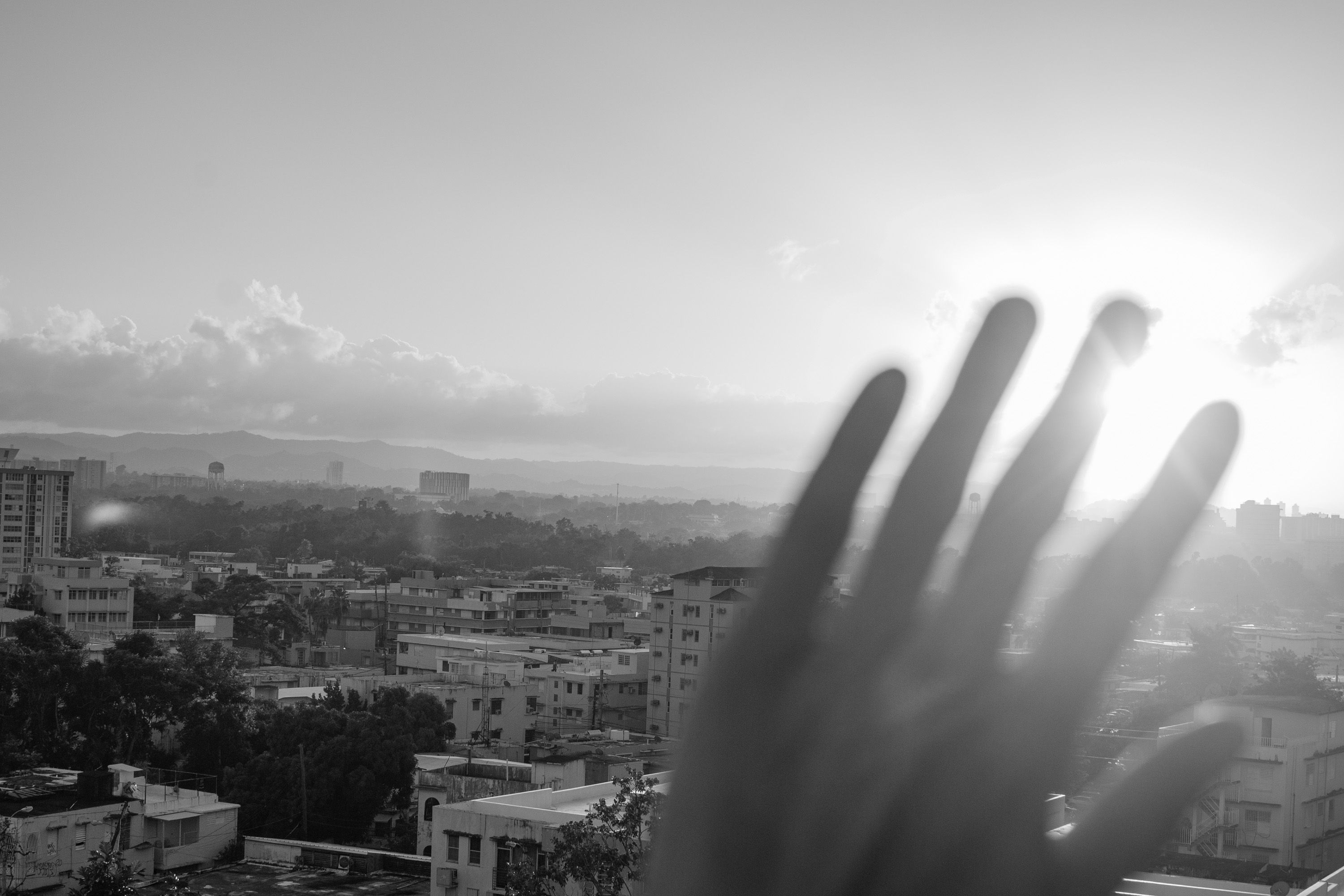
It’s a Monday evening in Río Piedras, the student neighborhood of Puerto Rico’s capital, San Juan. Far from the beaches and tourist attractions, the district—which houses the largest campus of the University of Puerto Rico, or “la yupee” as locals call it—is surprisingly desolate. Despite its colorful murals, the empty streets feel eerily still, like a ghost town. But on one building, a portrait of the late master percussionist Tito Matos hints that life isn’t far away.1 On this island, music never is.
Just a few blocks away, El Boricua, a student hangout turned cultural institution, hosts its weekly night of plena, one of the Afro-descendant genres of music native to Puerto Rico. It’s a place where loneliness dissolves into the amaranthine light of sunset: People pour out onto the streets, as professional musicians and amateurs gather outside the bar, singing and playing handheld drums called panderos, as well as güícharos—gourds scraped rhythmically to produce a dry, rasping pulse vital to many Latin American musical forms.
Known as the “people’s newspaper,” plena covers a large range of topics, from love to daily gossip, but at its core, it’s about identity and resistance. The island of Boriquén, as Puerto Rico was originally named by the Indigenous Taínos, is often referred to as the world’s oldest colony. First occupied by the Spanish, it’s currently a commonwealth of the United States: Boricuas must abide by US laws but can’t vote for the president. Music—salsa, plena, bomba, rumba and even reggaeton—is one of the ways Puerto Ricans assert their culture.
Tonight at El Boricua, the crowd, mostly regulars, hums along to the choruses of the songs, often joining the artists on stage. Soon, they start singing “La Borinqueña,” the revolutionary hymn of the land. The music echoes across the empty streets, reminding the neighbors—and ghosts—of Río Piedras of what Puerto Rican pride sounds like.