( 1 ) A 2025 analysis published in Scientific Reports found that Nigeria, Indonesia and Kenya have the highest proportions of people who volunteer regularly, while Egypt, Poland and Japan report the lowest levels.
Word: DugnadMany hands make light work.
Word: DugnadMany hands make light work.
Etymology: Dugnad is a Norwegian word that derives from the Old Norse dugnaður, meaning “help" or “assistance." In medieval Norway, the term referred to collective work obligations, like haymaking or building a barn; today it has evolved to refer to voluntary communal activity—a core phenomenon for many Norwegians.
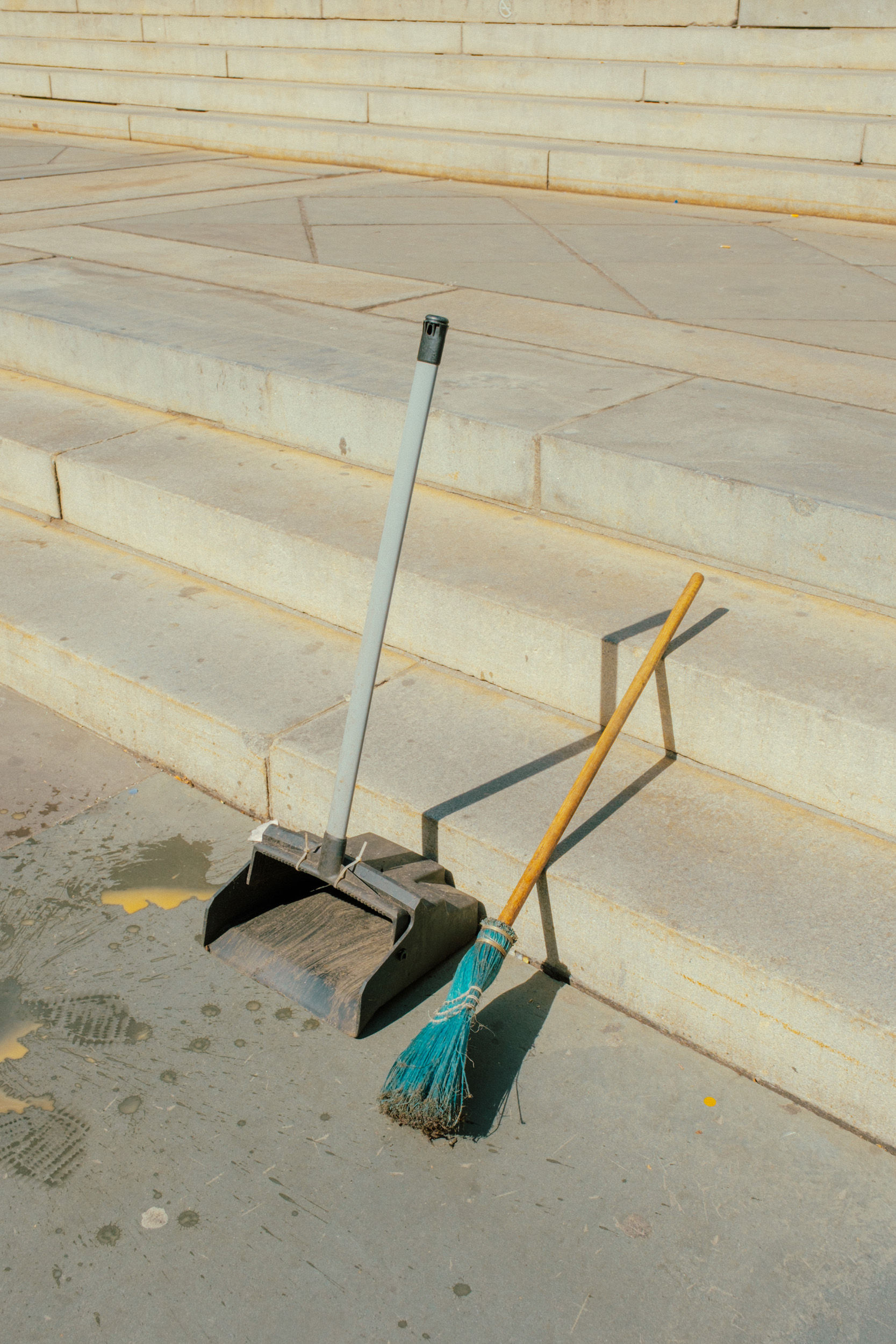
Meaning: Dugnad can take many different forms. In urban areas, dugnad might involve spring-cleaning apartment buildings or tending to communal gardens and playgrounds. In the countryside, communities help with maintaining trails and cabins on hiking routes and come together to spruce up one another’s homes. Children’s sports leagues also benefit from dugnad: Norway’s youth soccer tournament—the largest in the world—draws on a deep well of communal goodwill, and it’s common for parents to provide transportation to matches or pitch in for fundraisers.
While it is not a transactional concept, those partaking in dugnad do get something back for their efforts. Participants describe a feeling of fulfillment and belonging—as well as not having to fear bumping into their neighbors at the supermarket. It can also be a good way for newcomers to embed themselves into the community; they make friends and gain skills that can help prepare them for employment.
The concept of dugnad will be familiar to many cultures outside Norway, particularly in rural areas that still depend on communal work.1 Each September in Iceland, for instance, communities gather for the réttir, rounding up sheep from their grazing pastures in the countryside for sorting and herding into stables and farmers’ fields. And the labor-sharing kuu in Liberia and barn raising in Amish communities closely resemble the rural dugnad tradition.


