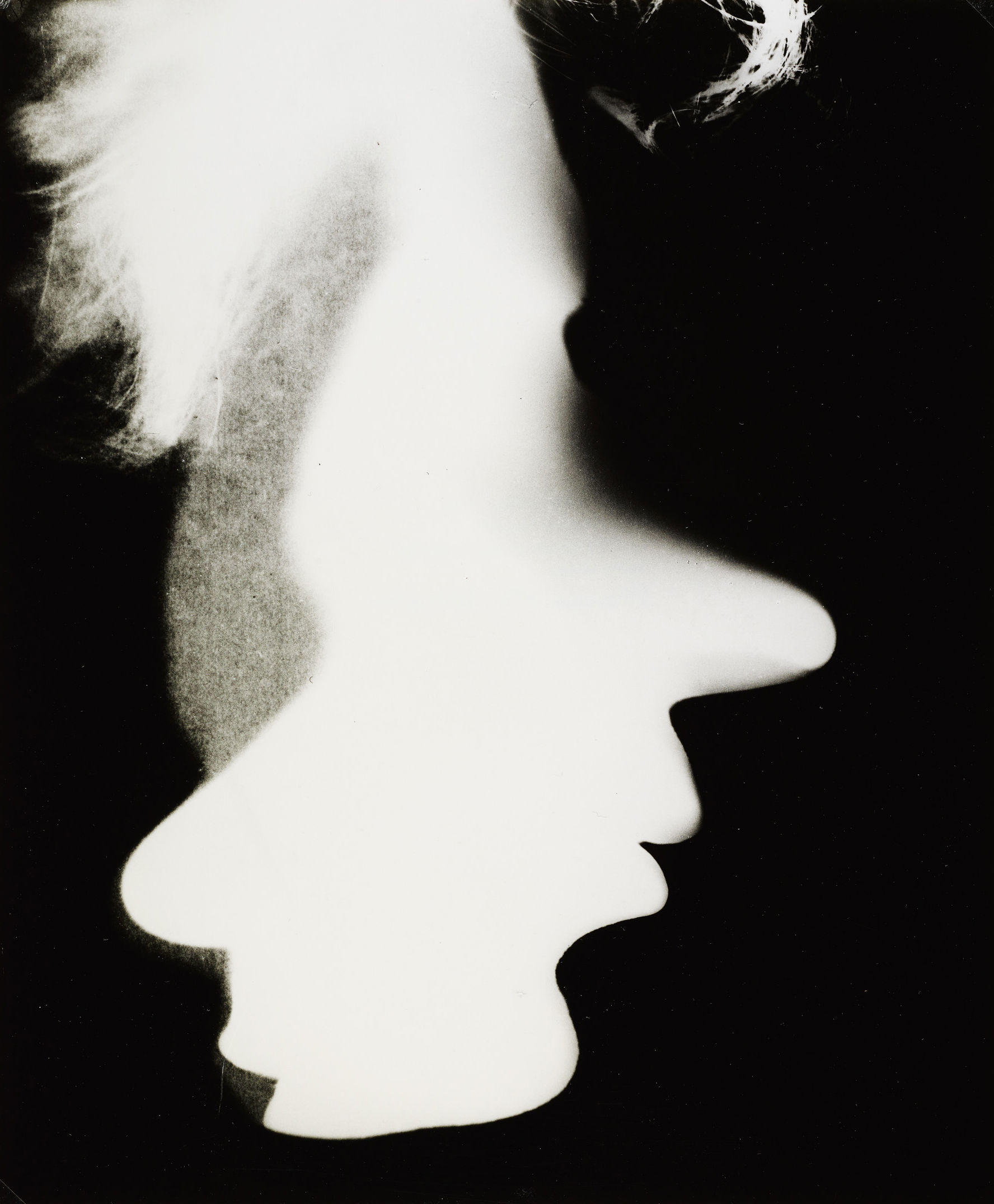
Word: HauntologyThe study of cultural ghosts.
Word: HauntologyThe study of cultural ghosts.
Etymology: A neologism attributed to the French philosopher Jacques Derrida, “hauntology” is an Anglicized version of the French term hantologie, which was a central concept in Derrida’s 1993 book, Specters of Marx: The State of the Debt, the Work of Mourning and the New International. It combines the French verb hanter, to haunt, with the Greek suffix –logie, which refers to any logical discourse. It is crucial to recognize Derrida’s play on words here: In French, hantologie, with its silent “h,” sounds very much like ontologie, to which it is closely related.
Meaning: If ontology is the philosophical study of being, hauntology focuses on being as inflected by what does not exist. Logic suggests that reality encompasses all that is perceptible, measurable and present in the world; our experience, however, always contains traces of unreality. It isn’t necessary to believe in ghosts and hauntings to understand this. Memory is an example of a specter that troubles the present. Memory carries forward people, events and conditions that no longer exist, embedding their absence in the present. Neither real nor unreal, these speculative sides of existence are, nevertheless, crucial to our understanding of being.
Marxist literary critic Pierre Macherey explains, “The new science of spirit Derrida undertakes to promote, by opposing to the certainties of ontology the fictions of his ‘hauntology’, leads to the affirmation of the reciprocal communication of the material and ideal.” This affirmative aspect of Derrida’s study belies a common understanding of “haunting,” in which unquiet waifs disturb and undermine the present. Hauntology, by contrast, uses phantoms to help build a more comprehensive idea of being than is possible within frameworks that insist that seeing is believing.
A word as provocative as “hauntology” is ripe for appropriation. The term has been used in many fields, particularly media and music, to offer a sense that the past shimmers in the present. Hauntology in these fields is not primarily about reviving old ideas, though; instead, it aims to bring forward the fading but persistent presence of the past. The term is most closely related to a trend in British electronic music that incorporates old rhythms and melodies, sampled recordings and forgotten ambient sounds, such as the hisses and pops of vinyl, to create new compositions. Its eerie, nostalgic atmospheres conjure a sense of loss, contrasting perhaps with Derrida’s more optimistic use of the term.