Behind the ScenesThree questions for producer and songwriter Daniel Nigro.

Behind the ScenesThree questions for producer and songwriter Daniel Nigro.

Issue 55

, Directory

,
  • Words Elle Hunt
  • Photo Peyton Fulford

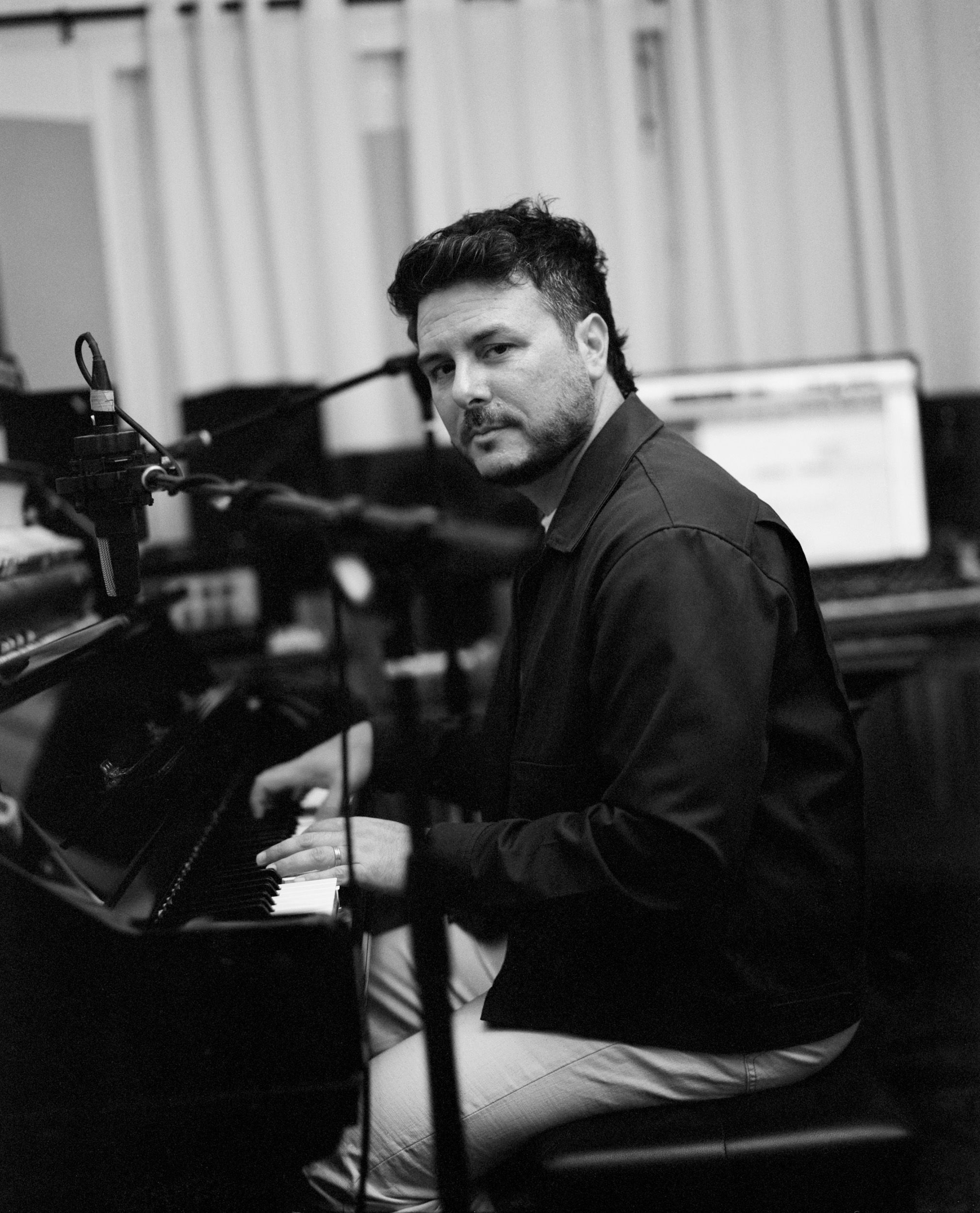
When Daniel Nigro started working with Chappell Roan, she had only one EP to her name and was debating giving up music. Now, after a roller-coaster 2024 that saw Roan’s “Pink Pony Club” spend five weeks in the US Top 20, the duo are among the biggest names in pop music, credited with breathing new vim into the genre. Nigro, as a result of his Grammy-winning work, is increasingly in-demand as a songwriter and record producer. “It feels like it’s been a big year,” he says from his home in Los Angeles. 

Elle Hunt: What does a producer do?

Daniel Nigro: That’s such a complicated question because a producer can do many things. Some are strictly musical, while others just help the artist get the best version of themselves. I’m somewhere in the middle—there to have conversations and guide a song while also getting in the trenches of the production. I’m always honest with the artists I’m working with—you need to build trust.

EH: How do you balance your own tastes against the artist’s?
DN: Maybe it’s cliché to say, but I always feel that the artist comes first: What they want creatively is the most important thing. There’s a lot of producers who want to have their stamp on it, but it’s not about me—it’s about the artist and their creative vision. You’re there to facilitate the best version of that.

EH: When you made “Pink Pony Club” with Chappell Roan, back in 2019, you were both convinced it was a hit, but Atlantic didn’t agree. How did you keep the faith?

DN: That’s something I learned over time. Prior to 2018, if a record label told me “That’s not right,” I’d go, “Okay—I’m not gonna fight it.” But I had this moment in 2018 where I made a song, “Castles,” with Freya Ridings. It was the first time that I really fought for it because I believed in it. It ended up becoming my first big European hit. After that my confidence grew—I felt I could trust my gut more. I think that bled over into “Pink Pony Club,” which we made about a year later: I knew it was good, that I wasn’t wrong.

FREE PREVIEW

Take a look inside Issue Sixty

You are reading a complimentary story from Issue 55

Want to enjoy full access? Subscribe Now

Subscribe Discover unlimited access to Kinfolk

  • Four print issues of Kinfolk magazine per year, delivered to your door, with twelve-months’ access to the entire Kinfolk.com archive and all web exclusives.

  • Receive twelve-months of all access to the entire Kinfolk.com archive and all web exclusives.

Learn More

Already a Subscriber? Login

Your cart is empty

Your Cart (0)