Photo: Marina Martinez Marin
( 1 ) While contemporary artists such as Jeff Koons and Damien Hirst have faced criticism for employing fabrication teams, collaboration and delegation have been central to artistic production for centuries. Renaissance painters such as Michelangelo and Titian relied on assistants for large-scale commissions and, as today, the arrangement provided both practical employment and a form of artistic education for emerging artists.
Behind The ScenesWhat does an art fabricator do?
Behind The ScenesWhat does an art fabricator do?
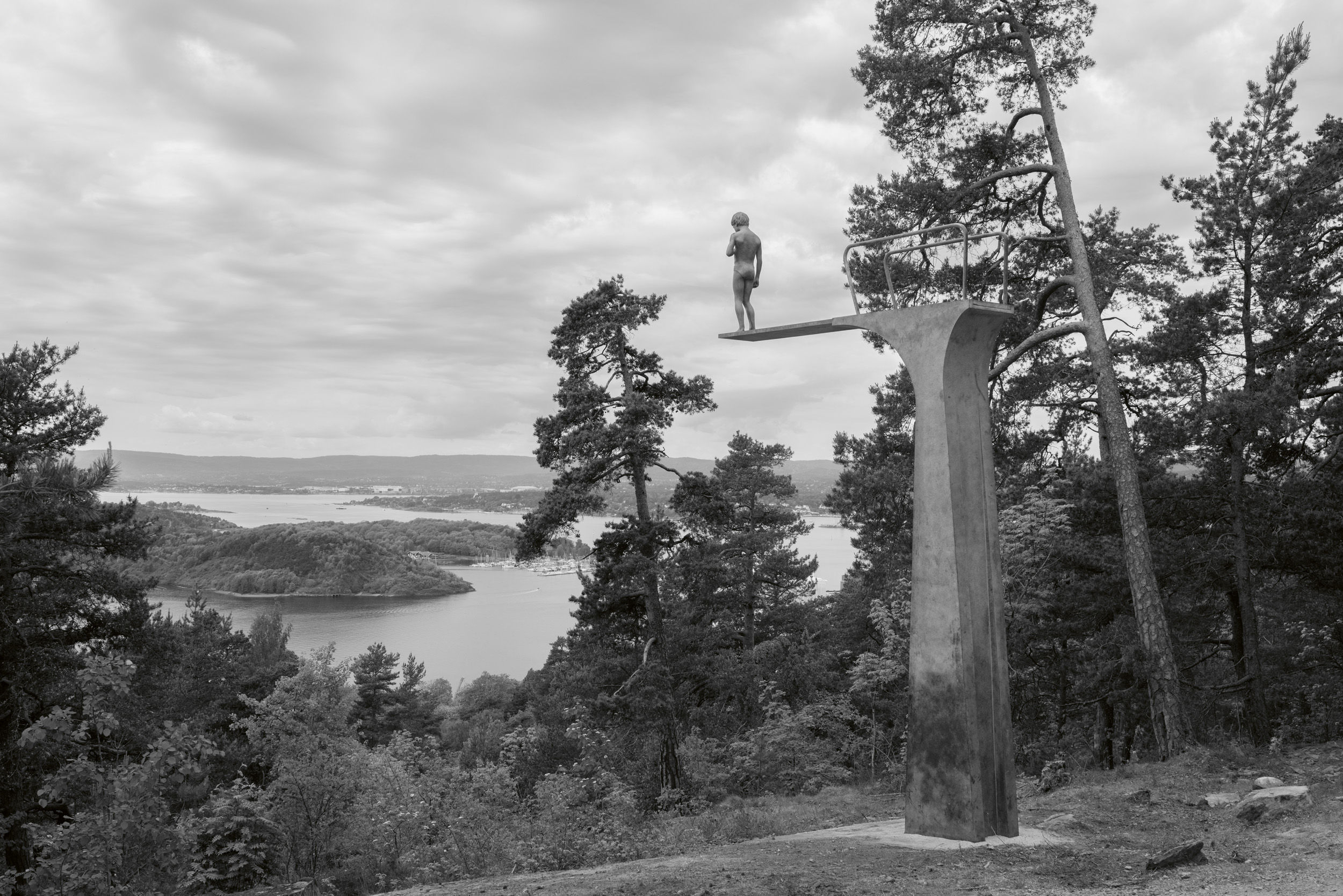
Artwork: Elmgreen & Dragset, Dilemma (2017). Courtesy of Elmgreen & Dragset and Ekebergparken. Photo: Florian Holzherr.
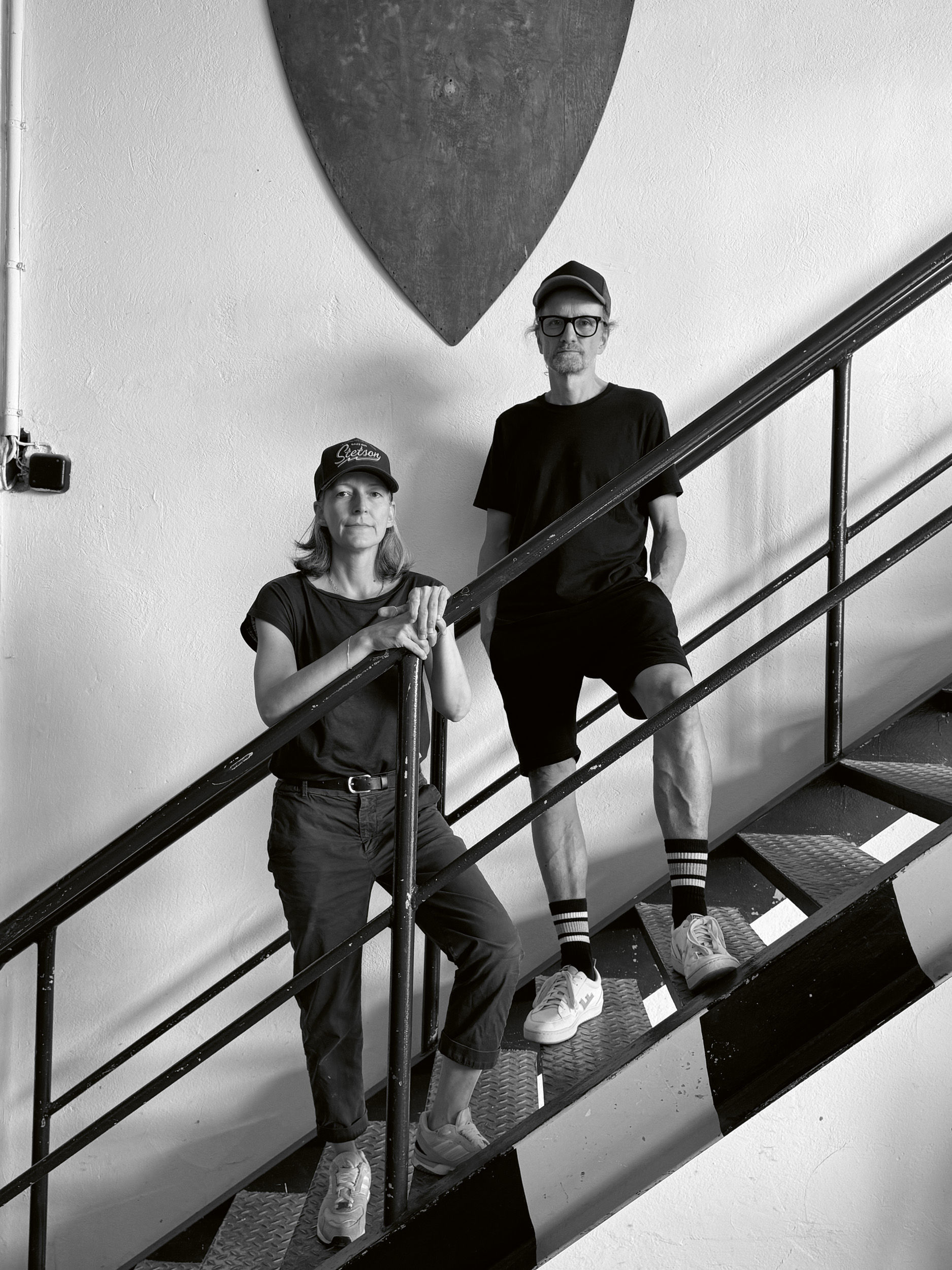
Sandra Stemmer and Holger Hönck founded their Berlin-based art fabrication agency, Stop Making Art, in 2018. While many fabricators specialize in a particular skill, such as casting bronze sculptures, Stemmer and Hönck see themselves more as consultants and advisors—they work hands-on to create the sculptures and installations that artists are unable to make themselves, but a big part of their role is as project managers, connecting the dots between artists, institutions and engineers. It’s an approach that was shaped through years of collaboration with the renowned duo Elmgreen & Dragset, particularly on Van Gogh’s Ear—a monumental swimming pool installed upright at Rockefeller Center in New York. “We thought, if we were able to do this, we can do it for other artists too,” says Stemmer.
Emily May: What kind of conversations do you have with artists? How much creative input do you have?
Sandra Stemmer: The conversations are very technical and about the aesthetic outcomes artists are looking for: “What material would you like to use? Do you know that’s very heavy? Did you know that if you want to polish stainless steel to look like a mirror, there are different grades of polishing that can be very expensive?” We work for the artists, so if they come with a crazy idea, we really try to make it happen.
Holger Hönck: We won’t say an idea is stupid or great. Our role is to be neutral. It’s really important for artists to have space to find their creations, and not to be pushed in a certain direction.