Clapping ConventionsA handy guide to applause.
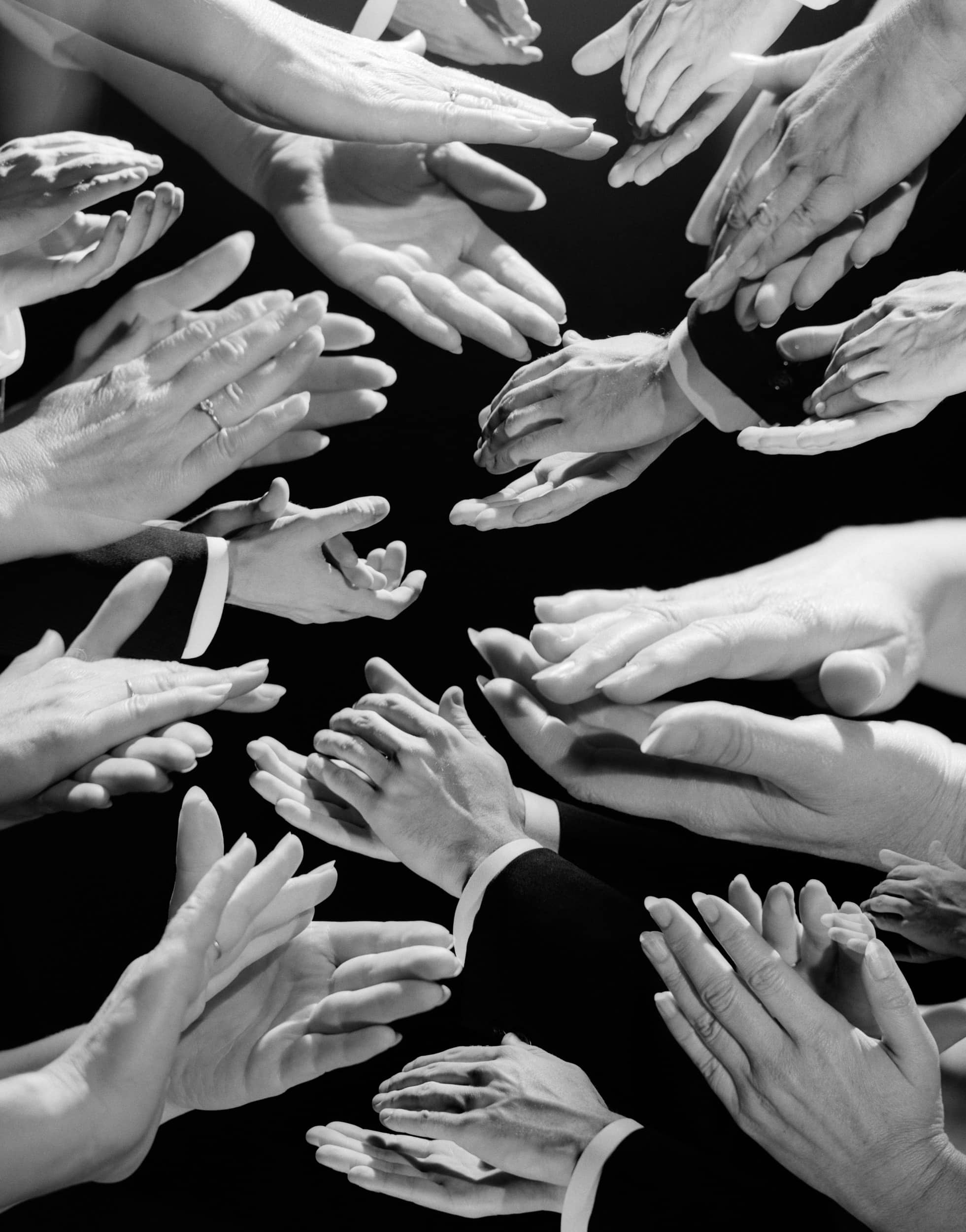
“Let’s hear a round of applause for . . . !” We’ve all heard and complied with this request, clapping as a singer, keynote speaker or graduating class walks on stage. This welcoming applause might sound much like any other—the applause that comes after an event, or sometimes during—but it carries a different message.
Discourse analysts categorize applause as introductory, closing or rewarding. In most public events the first two of these are essentially obligatory: It would seem rude not to clap a symphony conductor onto the stage, or to sit silently as actors bow after the curtain call, even if we didn’t enjoy the performance. Spontaneous “rewarding applause,” in contrast, expresses the flow of the crowd’s reactions. Athletes win raucous acclaim with great feats on the track or field. Politicians gain approval by using “applause lines,” after which they pause in anticipation of at least a few clapping hands.
Most events carry implicit, reasonable protocols for delivering applause: No clapping in a church service, to preserve a sense of solemnity; hold applause until the end of a public lecture, to avoid disrupting the flow of ideas; never clap after individual movements at the symphony, only at the end. These “rules” are not always firm, however, and spontaneous applause tends to follow what cognitive scientists Gary Lupyan and Ilya Rifkin have termed an “embarrassment threshold,” which varies with forms of art and entertainment and the crowds that participate in them. At any public event, you can clap when you want, despite the rules, but others may not follow along. Then you’ll be left alone with the rest of the crowd listening until you give it up. Alternatively, if you can stick with it and someone else joins in, a cascade develops until everyone feels compelled to clap too, and a round of applause begins.
This cascade helps bridge the divide between audience and performers. The applause does more than encourage effort, it allows the crowd to join the course of the event and commune with its players.