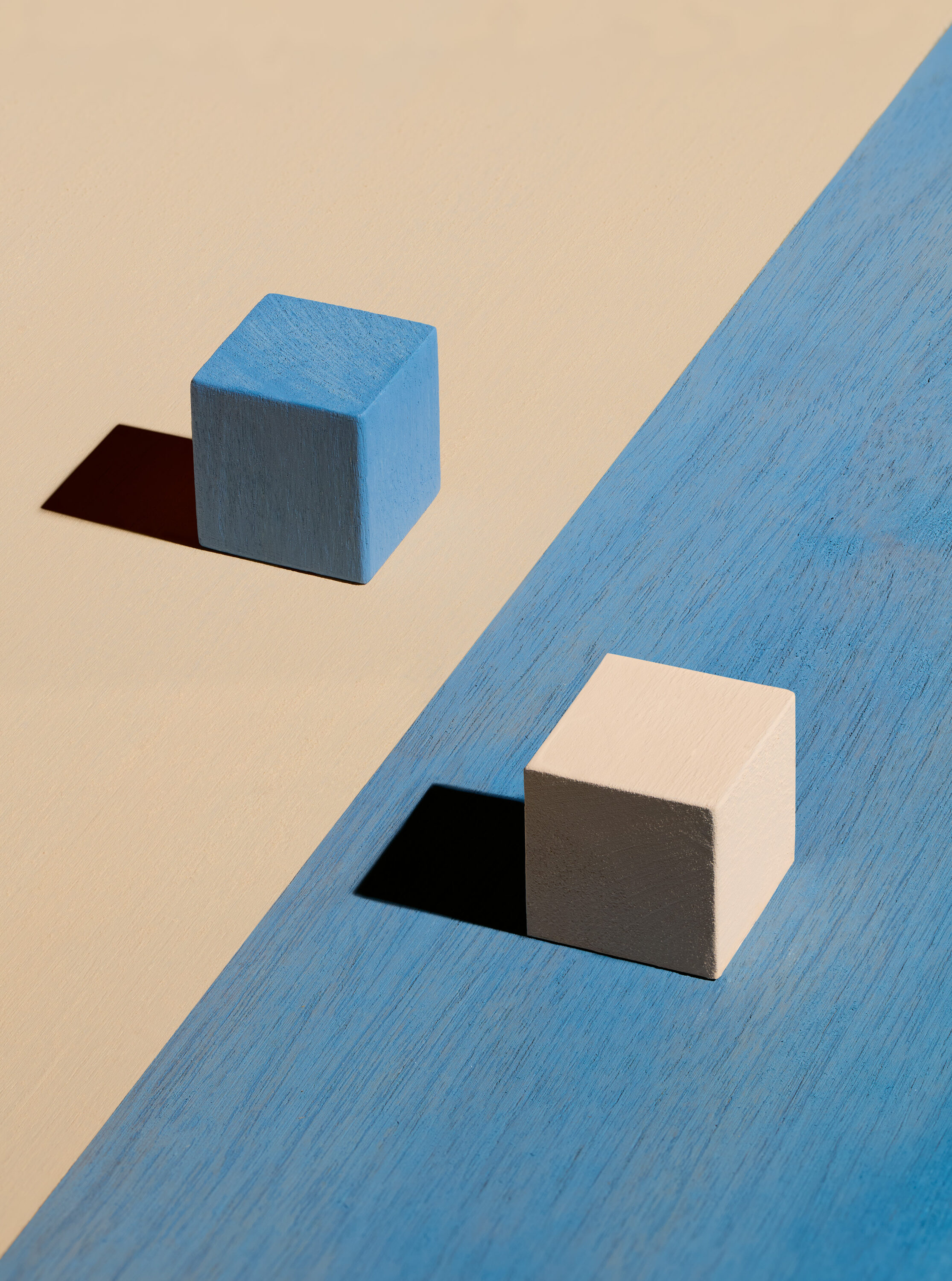
Dream House The rise of renderporn.

Dream House The rise of renderporn.

  • Words George Upton
  • Photograph Zach Phan

( 1 ) Common characteristics that Wiener identifies in these images include an atmosphere of calm, an absence of people and seasonality, an abundance of water, soft colors and warm light, and, overall, a visual language of affluent restraint.

In March 2021, a virtual, three-dimensional model of a house sold for more than half a million dollars. That the house didn’t exist—it was designed by Toronto-based artist Krista Kim with software more commonly used to create video games—did not stop the digital render of the Martian-looking, glass-walled villa from reaching the same price as actual brick-and-mortar real estate. In an article published in The New Yorker a few months later, Anna Wiener decoded what had become a defining trend of the digital age.1

“Renderporn,” as these hyperrealistic architectural fantasies have come to be known, is the product of recent developments in three-dimensional modeling software. Neoclassical architects like Giovanni Battista Piranesi may have been creating fantasy worlds back in the 18th century, but unlike his celebrated capriccios, or the subversive “paper architecture” of dissident Soviet architects, renderporn is uncannily lifelike and expresses no philosophical or political ideal. Instead, these aspirational, softly lit scenes of tasteful, expressive minimalism seem to serve as escapist fantasies into alternative realities.

Often set in real locations and featuring vintage furniture pieces, renderporn evokes a world of affluence and luxury where there is no climate emergency or financial hardship. Yet although the render’s particular aesthetic is defined as much by the limitations of the software (simple, curved and textured surfaces are easier to create and look more convincing) as by the designer’s personal style, renderporn will surely play a role in shaping real-world architectural aesthetics in the years to come.

( 1 ) Common characteristics that Wiener identifies in these images include an atmosphere of calm, an absence of people and seasonality, an abundance of water, soft colors and warm light, and, overall, a visual language of affluent restraint.

FREE PREVIEW

Take a look inside Issue Sixty

You are reading a complimentary story from Issue 42

Want to enjoy full access? Subscribe Now

Subscribe Discover unlimited access to Kinfolk

  • Four print issues of Kinfolk magazine per year, delivered to your door, with twelve-months’ access to the entire Kinfolk.com archive and all web exclusives.

  • Receive twelve-months of all access to the entire Kinfolk.com archive and all web exclusives.

Learn More

Already a Subscriber? Login

Your cart is empty

Your Cart (0)