Field NotesA guide to the forest in the spring.
Field NotesA guide to the forest in the spring.
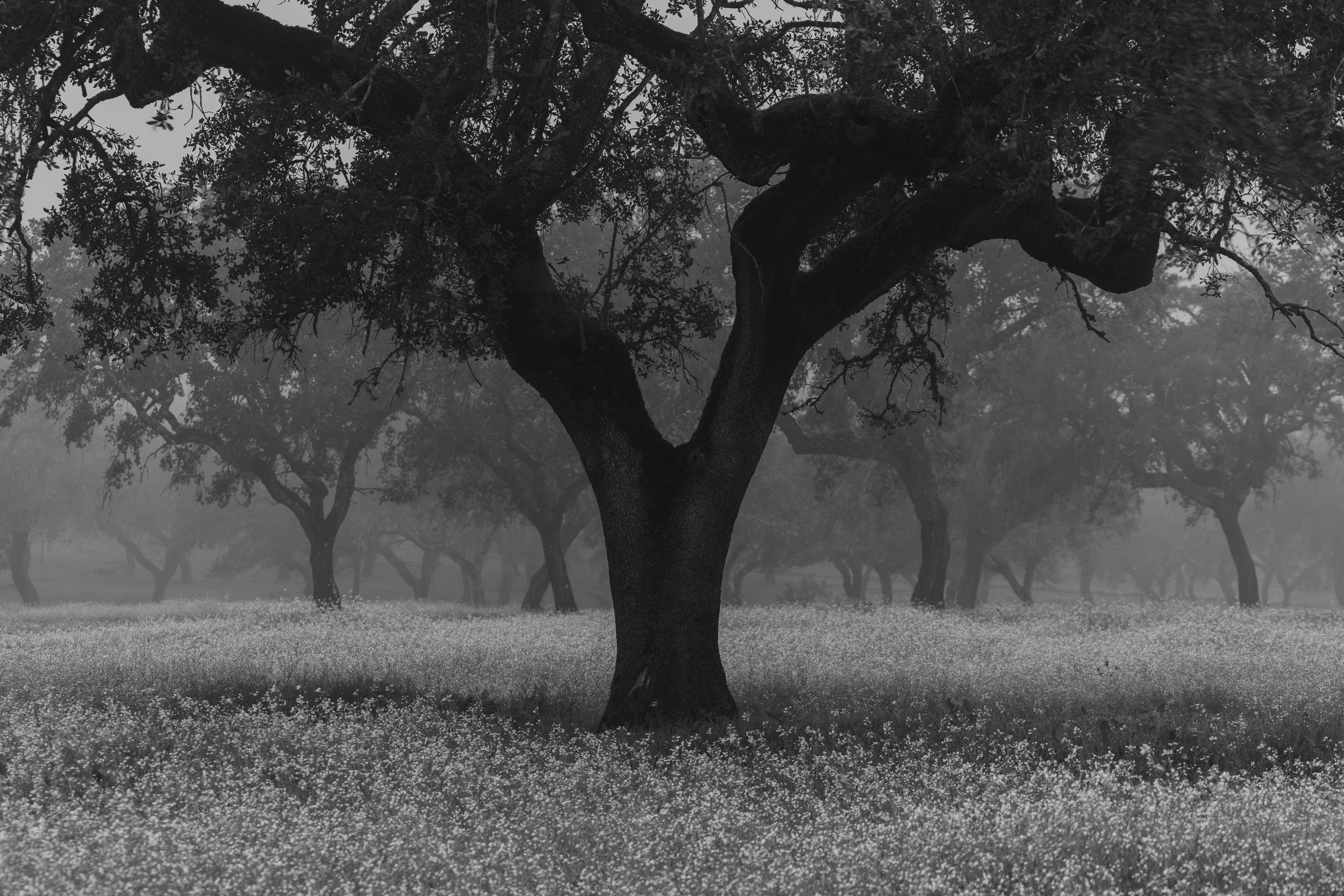
The forest is at its best in springtime. Deciduous trees that are bare through the winter, like oak, beech and birch, start to bud and blossom again, their leaves slowly growing and greening to join the viridescence of the conifers. The sounds of the forest begin to change too; the dawn chorus becomes a wonderful cacophony of trills and warbles that starts just before sunrise, when the air is stiller and the male birds start singing to claim their territory and charm the females. It will change again over the months as resident birds are joined by summer visitors.
You’ll sometimes be able to tell the history of a forest by the type of trees you come across. Pioneer species are the first to colonize open ground. In Europe these are willows, birch and rowan, and in North America, cedars, aspen and larches—all trees whose seeds disperse easily and can take root in soil that is nutritionally poor, disturbed or damaged by fire. Given time, other species will follow in what’s called ecological succession. Another clue is how the trees have grown in relation to one another. If they are of a uniform girth and height and in rows, chances are the forest has been planted. If there is a range of sizes, you’re likely walking in a forest with more natural growth and regeneration—ecological succession in action.
Don’t forget to look for lichens, such as the beautiful pale gray-green usneas, sometimes called beard lichens, which festoon the branches and are a sign of good air quality. And watch for the first spring flowers: in Europe, snowdrops, crocuses, bluebells; in parts of North America, the skunk cabbage—so called because its unpleasant scent attracts the pollinators it needs to survive. It’s one of the first spring flowers to emerge and has an incredible ability to produce heat—thermogenesis—melting the snow to promote early pollination and protect itself from freezing temperatures.