How To: Make a Brass RubbingA guide to an antiquated pastime.
How To: Make a Brass RubbingA guide to an antiquated pastime.
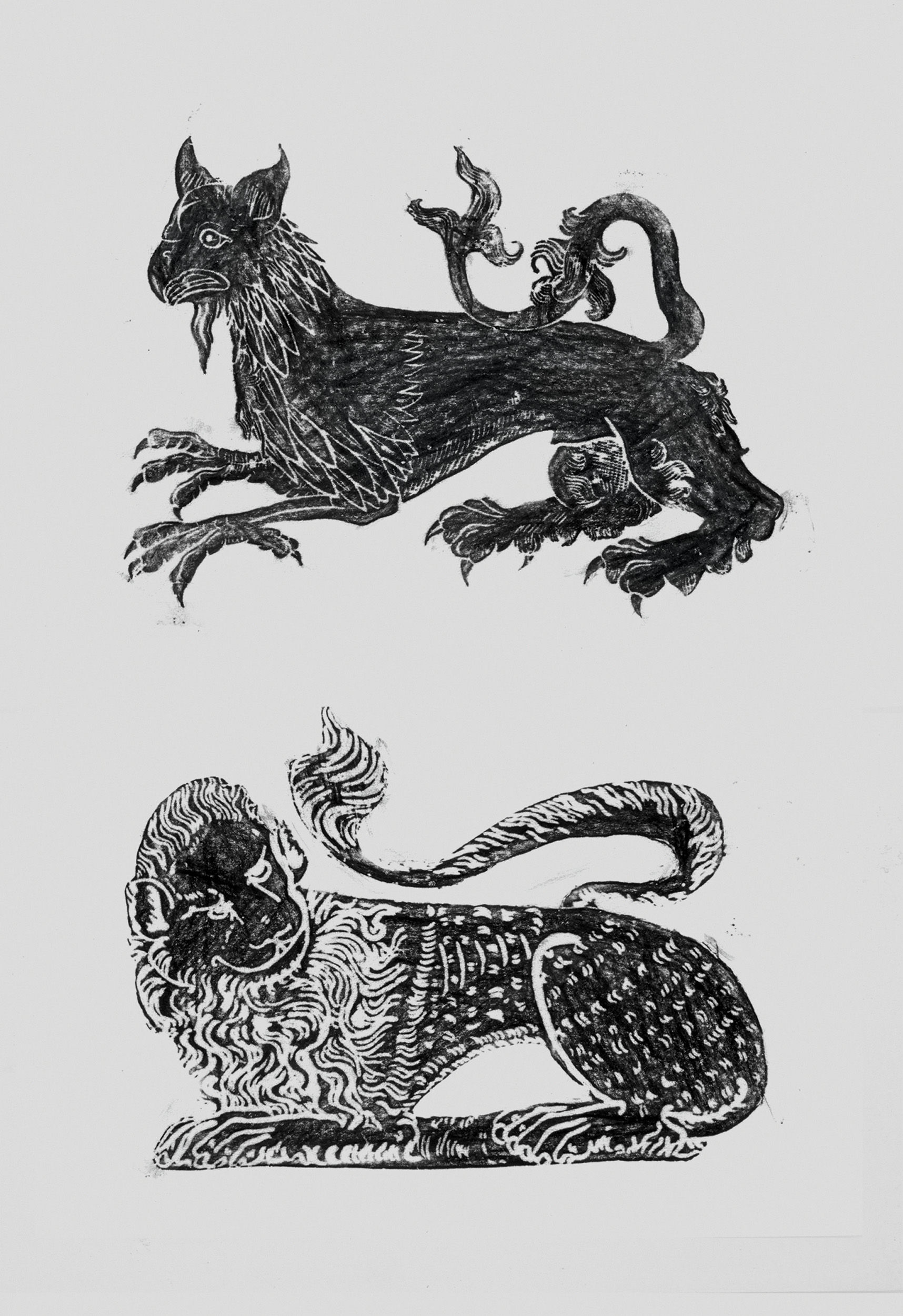
In practice, it’s quite simple: You place a piece of paper over an engraving, headstone or seashell, rub it with graphite or charcoal or crayon, and watch as patterns and textures surface on the page. “Frottage,” as the process is called (from the French verb frotter, to rub), has long been practiced by historians, artists and hobbyists. In 19th-century Britain, it became a popular way for people to create impressions of monumental brasses—the engravings laid into the floors and walls of churches and on tombs as funerary markers—as mementos of their trips.
While brass rubbing is used to make a copy of the subject, artistic frottage uses the same method to explore the unreal and the unintended. Stuck indoors on a rainy day in 1925, artist Max Ernst made a rubbing of a worn wooden floor, using its patterns to create fantastical forests and bird-like creatures. Salvador Dalí and other surrealists began to mine this source of serendipity, an expression of intuition and irrationality, and the technique remains part of the modern tool kit used today by Korean artist Do Ho Suh and Singaporean artist Simryn Gill, among others.
Rubbing unites aesthetics, history, identity and place. It can reveal something hidden in plain sight or allow us to see something familiar in a new light. It preserves the ephemeral and makes it our own—an act of conservation and creation; a copy with a distinct character. It’s also a direct way to engage with your surroundings, whether you’re traveling or stuck at home on a rainy day.
Today, digital technology offers another form of frottage: handheld scanners that capture depth, color and texture without touching (or damaging) their subject. The principle, however, is the same: to collect, contemplate and celebrate the incidental details that make up the rich fabric of our lives.