- Words Selena Takigawa Hoy
- Photos Ju Yeon Lee
Soak. Steam. Splash.
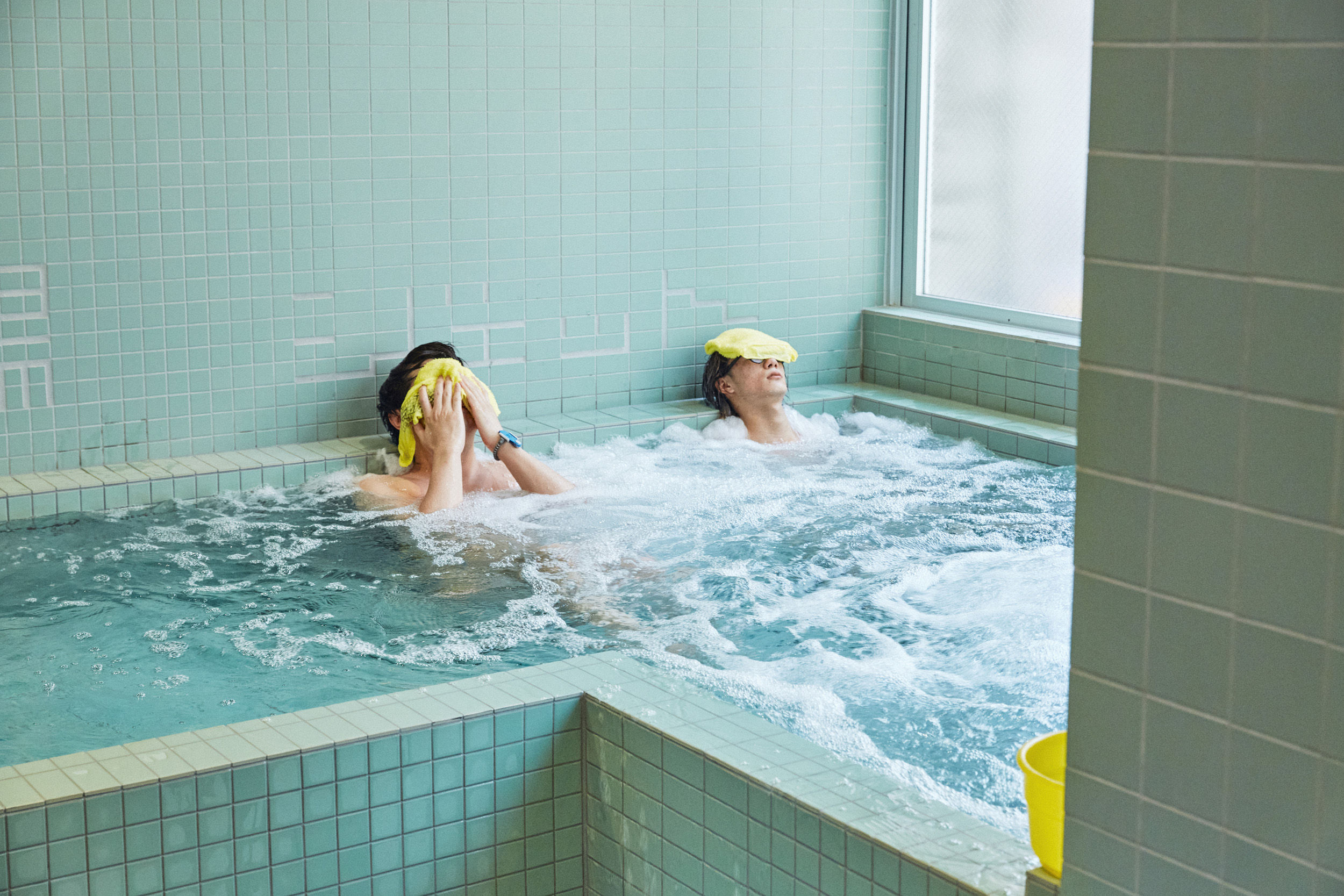
Public bathing is a national pastime in Japan. There are more than 27,000 hot springs on the archipelago, and bathhouses, or sentō, have been popular in urban centers since the 17th century. In Edo, the city that became Tokyo, space was at a premium and heating water for individual homes was expensive (it also increased the risk of fire in a city made almost entirely of wood). But from this necessity, sentō would become more than just a place to get clean, and for centuries they have been a cultural hub, a place to congregate and chat.
It is only in recent decades that homes in Japanese cities have had their own bathrooms; in the 1960s, it was around 60%, today, it’s over 90%. The number of sentō has steadily declined as a result, but they are seen as such a key part of Japanese society that their prices are regulated by the government—¥550 ($3.50) a visit for the more than 400 sentō in Tokyo.
While many old neighborhood sentō continue to shut down, those in urban centers are seeing a renewed interest with younger generations thanks to a rise in mixed-use facilities that incorporate cafés and bars, coworking spaces and art galleries, and the attention of architects including Jo Nagasaka and Schemata Architects, the firm he founded in 1998. Schemata projects have included a number of Blue Bottle Coffee shops in Japan, Aesop’s flagship Tokyo store, and recently three sentō: Komae-yu and Kogane-yu in Tokyo, and the forthcoming Shima-yu on Shodoshima, one of the Seto Inland Sea Art Islands.
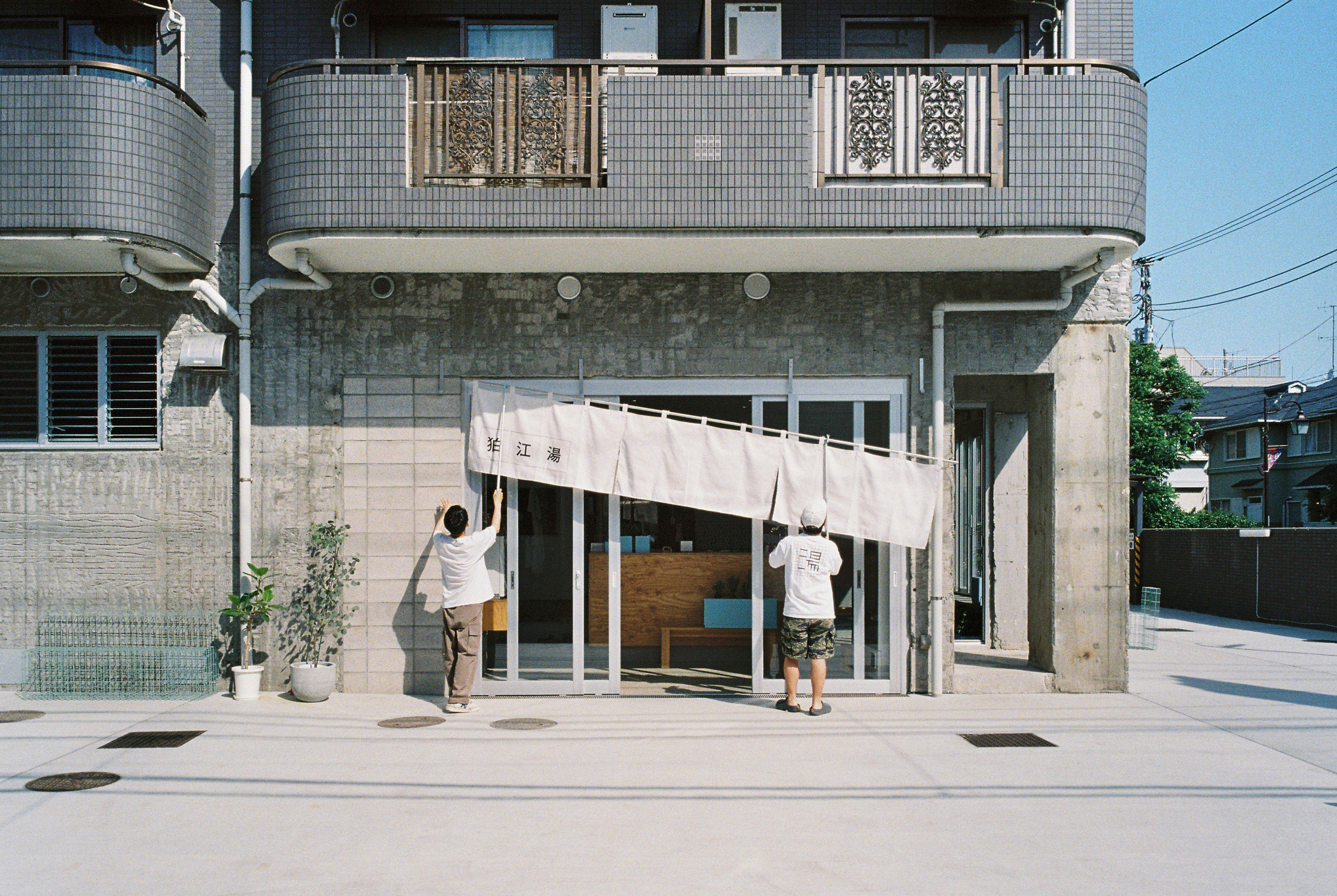
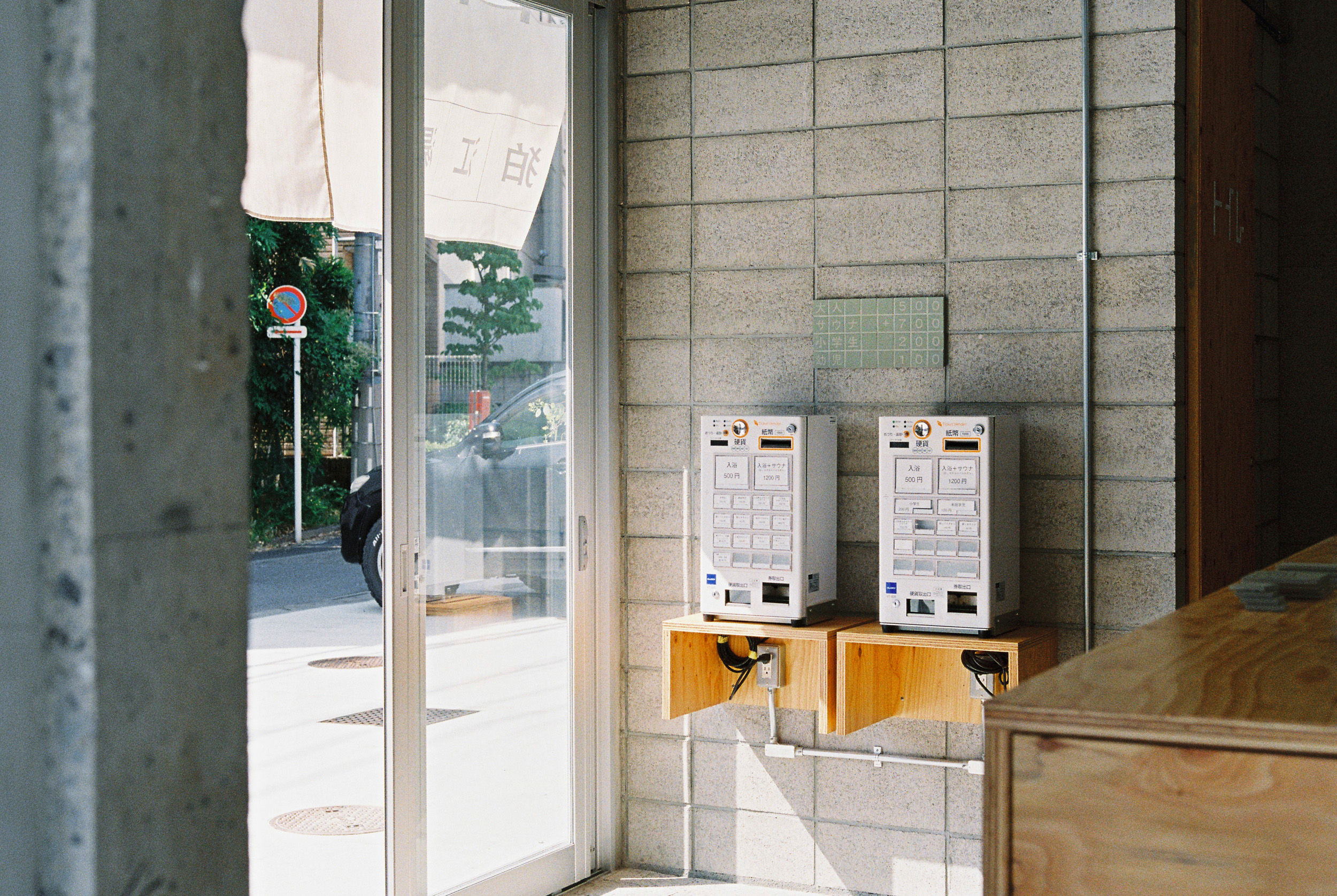
Komae-yu is the second public bathhouse designed by Schemata Architects and sits in Komae in western Tokyo. The building once housed a pub run by the owner’s aunt, with the bathhouse at the rear. Today, the adjacent vacant lot has become a casual gathering spot to a drink after bathing.
Here Nagasaka explains the role of bathhouses in Japanese culture, what drew him to design sentō, and the challenge of building community.
Selena Takigawa Hoy: How do you describe the work you do with Schemata?
Jo Nagasaka: Schemata Architects is a design office that works on a wide variety of projects, from furniture and shops to urban masterplans. Rather than simply designing the finishing touches, we prefer to start from the problem itself. From that challenge, we think about things like, “What if we did this in this kind of space?”
STH: How did your work with sentō come about?
JN: There were really almost no successful examples of public bathhouses when we started out on Kogane-yu. They were seen as a declining industry, something steadily fading away. But we realized that while the number of traditional public bathhouses were decreasing, super sentō (large theme park–like spas) and hot springs were actually increasing. So we started thinking: How could we reimagine sentō to meet the needs of the younger generation?
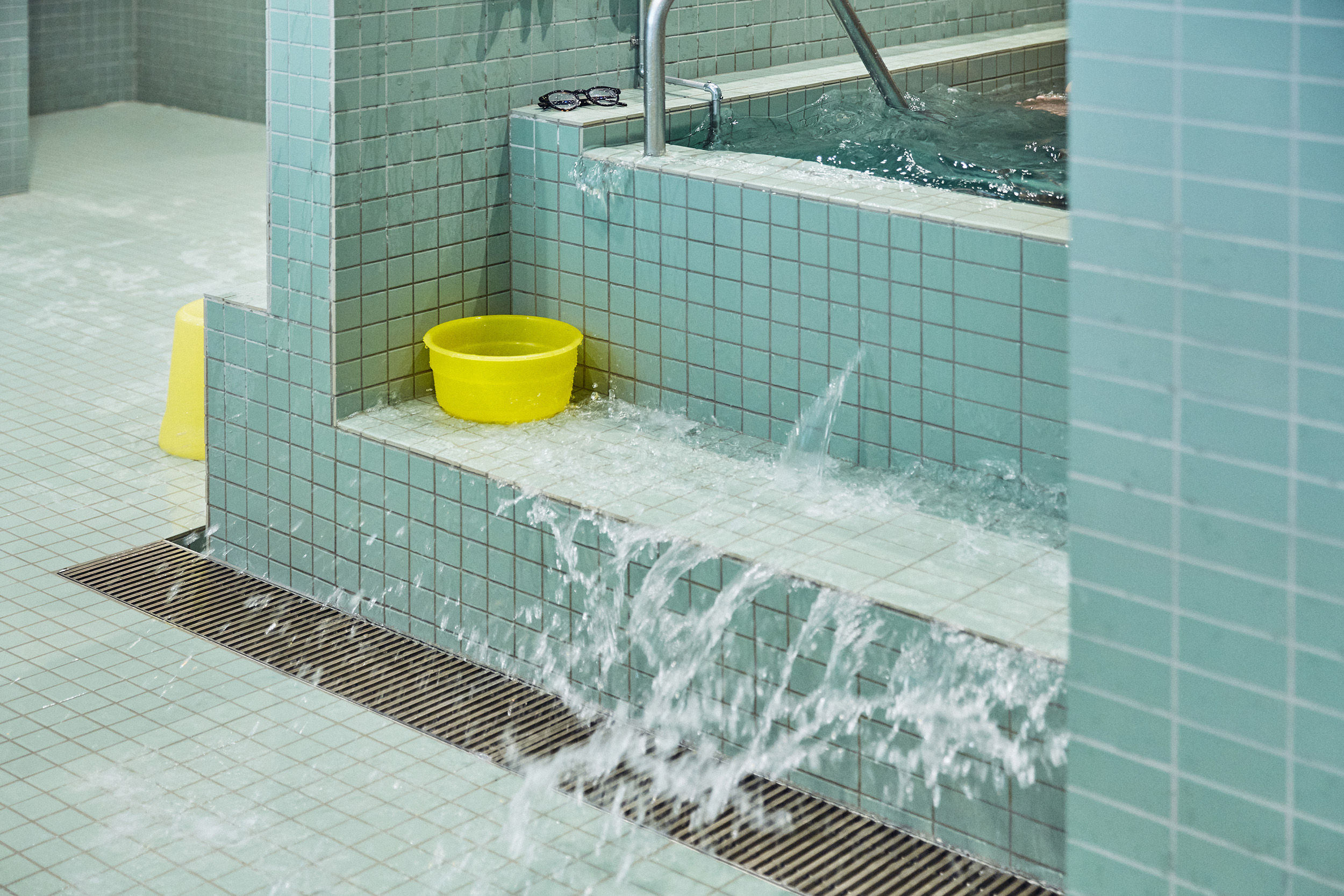
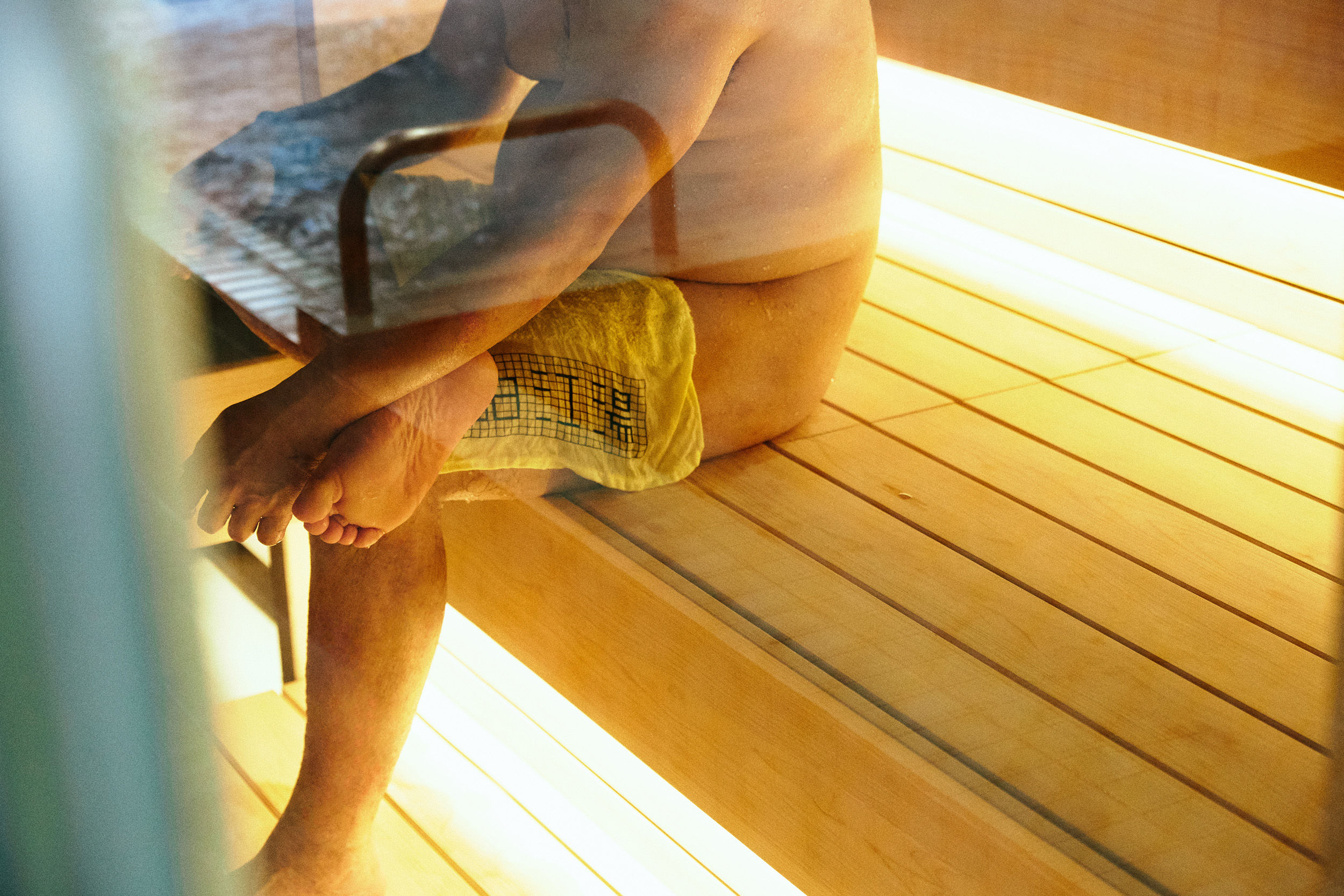
In Japanese sentō, saunas and onsen (hot springs), guests are expected to be fully nude; swimsuits are not permitted. It’s customary to wash thoroughly before entering the bath or sauna, and the small towel provided can be used for modesty while moving around the space or if you prefer a little cover.
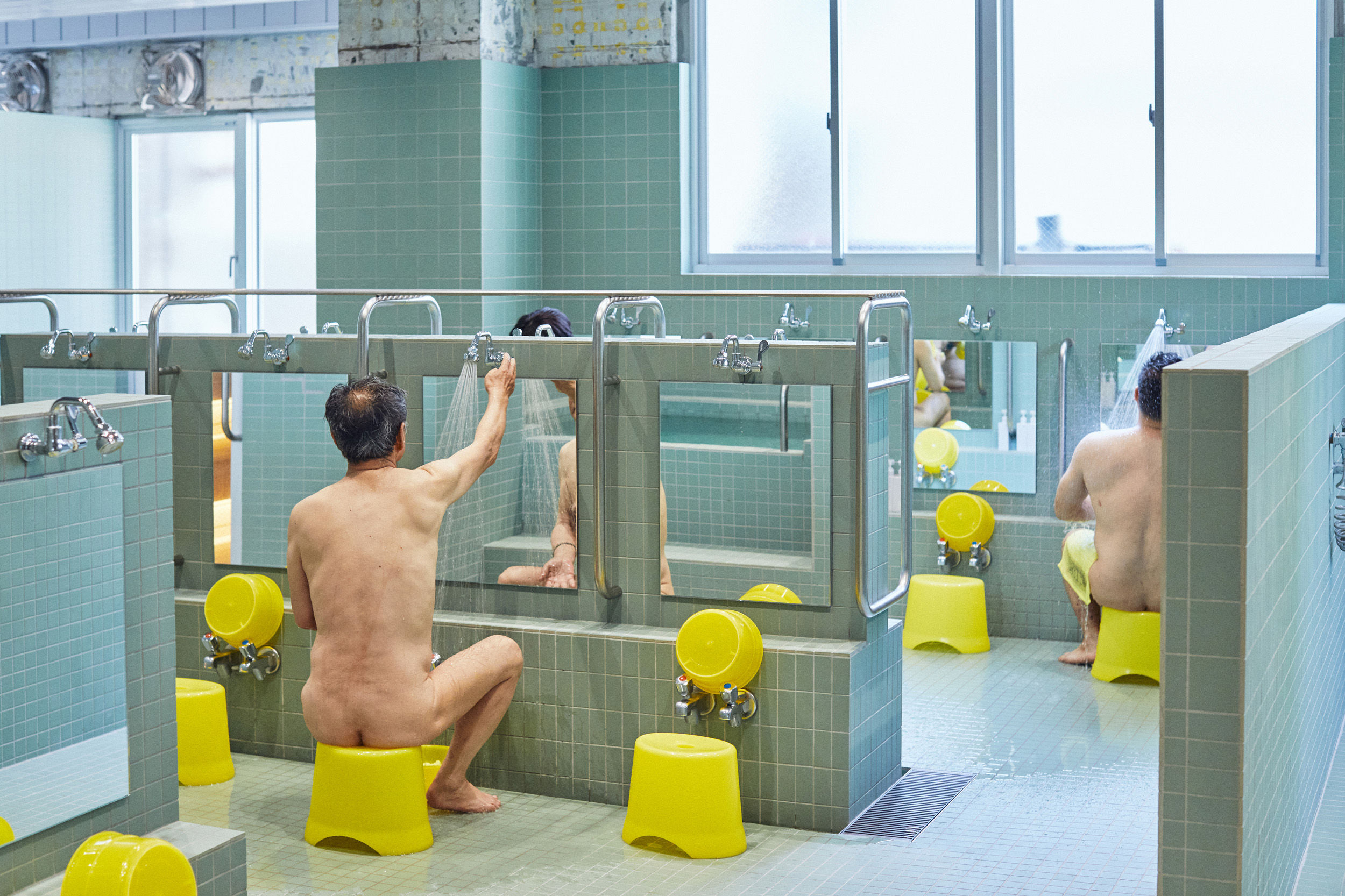
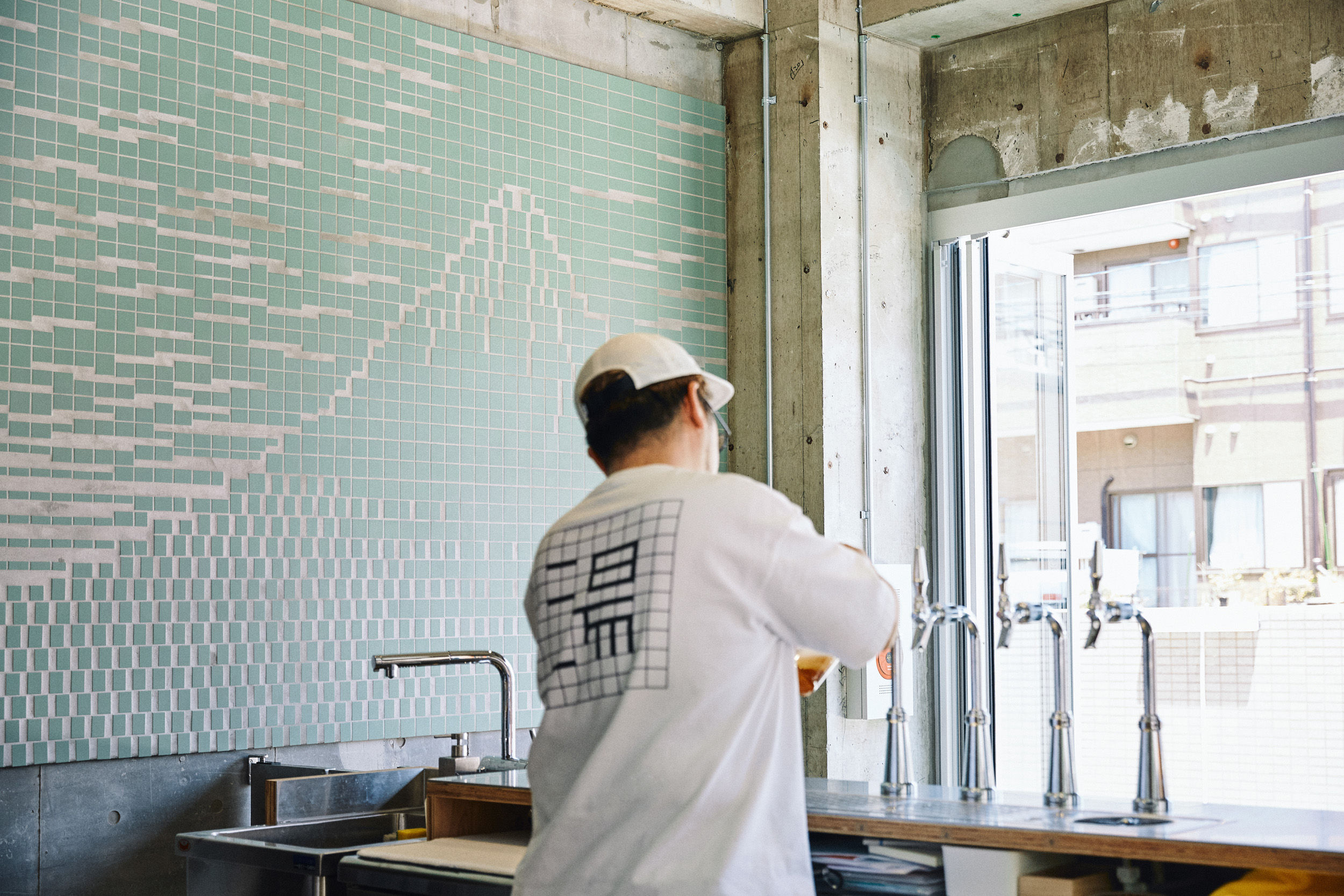
Originally, sentō proliferated across the Kantō region, including cities such as Komae, at a time when most homes lacked bathing facilities. After World War II, they became essential to public sanitation, and many featured murals of Mt. Fuji as a hopeful national symbol. In its restoration of Komae-yu, Schemata Architects has retained this tradition, reimagining the iconic motif in a contemporary way.
“No one views cleanliness negatively, but if it’s too pristine, it can feel less inviting.”
STH: Did you go to sentō when you were younger?
JN: I did—we’d go as a family after we moved to a new house, before the gas had been connected, and we moved around quite a bit. Then when I was in the architecture department at university, staying at the school dorms and working on projects, I’d sneak out to go to the bathhouse, then head back to continue designing.
STH: Has your childhood experience of sentō influenced your approach to the bathhouse projects?
JN: Well, sentō… how should I put it? They can’t be too stylish, I guess. They need to be accepted by all people—it’s important that they don’t become the kind of place where grandparents feel they can’t relax. So, I suppose it needs a design similar to that of a cafeteria or a ramen shop. And of course no one views cleanliness negatively, but if it’s too pristine, it can feel less inviting. If that down-to-earth, everyday feel isn’t preserved somewhere, it just feels off.
STH: What role can sentō play in creating community in Japan today?
JN: Since the earthquake [in 2011] and then COVID, I think there’s a strong feeling that friends are important and people really want community. But finding places that actually build that is tough. In places like America or Australia or Italy, I get the sense there are communities that form around cafés. It’s a culture where strangers can actually have proper conversations in cafés, where exchanging greetings is common. But cafés in Japan aren’t really like that.
On the other hand, sentō—places like Komae-yu and Kogane-yu—are a relatively good tool for creating community in a neighborhood. We think it’d be nice to grab a drink or a meal after bathing; that kind of experience brings folks together.
STH: How do you design spaces that promote community?
JN: I think it’s about providing diversity and a place that can accept that diversity, rather than a cramped feeling where everyone faces the same direction and does the same thing. It’s important to have a sense of freedom, where you can be however you want. If it’s just about washing your body, people can have baths at home, and so they probably won’t spend money and take time out of their day just for that. But what about enriching their lives? Going to the sauna, having a beer, taking a bath and heading home feeling refreshed—people today will pay for that kind of experience. Compared to going out drinking, clubbing or shopping, which is declining, I think people are willing to spend a little more on things that are good for their bodies or that refresh them mentally. The public bath fits perfectly into that.
STH: You call your design approach “half architecture” or “semi architecture.” How does this approach encourage community?
JN: It’s a way to create spaces where users themselves can make additions, adapt them based on their own ideas, and evolve them. Whether it’s a shop, a university, or a home, it’s about creating spaces where you don’t just leave something fixed and say “use this,” but where the space itself evolves as your needs gradually change. It’s a more organic way of creating spaces, and it would be wonderful if that existed more in homes or schools. I often pursue that kind of spatial creation as a concept.
STH: What’s on the horizon for you?
JN: I really think bathhouses have potential beyond what we have done already. Inevitably, as time passes, they become mismatched with modern life, but by shifting the approach somewhat, we can revitalize them and turn them into places that keep people connected. In that sense, places like temples and shrines—which were once vital for business and important to families—also seem to be in a state of decline. It feels like the next generation struggles to engage with them. Temples are usually surrounded by nature. It would be interesting to create a place where people can enjoy the surrounding nature and learn about the temple’s culture. And shrines? Well, there are more shrines in Japan than convenience stores, and they’re usually located in great spots. So the potential is there, and I’d like to think more about how to leverage that. I think quite a bit about that kind of place-making.