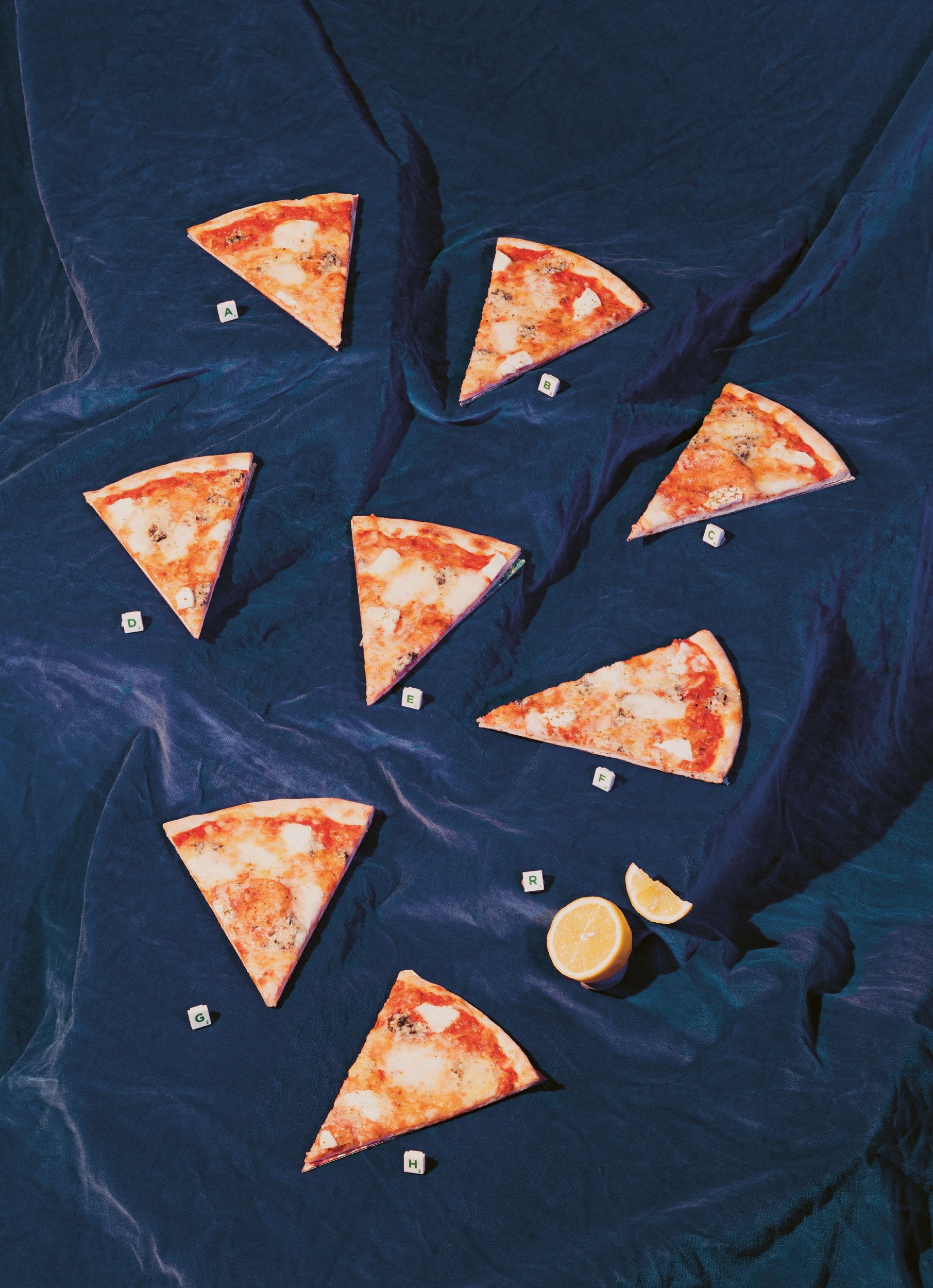
The Pizza EffectWhat happens when a trend is taken out of its country of origin, Americanized, and then re-injected into the zeitgeist at home?
The Pizza EffectWhat happens when a trend is taken out of its country of origin, Americanized, and then re-injected into the zeitgeist at home?
On a trip to Naples in the 1830s, the American inventor and painter Samuel Morse described pizza as looking “like a piece of bread that has been taken reeking out of the sewer.” At the time, pizza was primarily sold by street vendors and comprised a simple base and very few toppings (often just tomato). Consequently, pizza was associated with deprivation and left out of Neapolitan cuisine when cookbooks emerged at the end of the 19th century.
Only when Italian immigrants arrived in the United States in the late 1800s did the fate of pizza change. As the dish slowly spread across America, it was tweaked by restaurateurs to appeal to a broader range of communities. Pizza evolved from a no-frills street snack to a dish with a variety of styles and toppings worthy of brick-and-mortar ...