The Sellout On the moral maze of art and money.

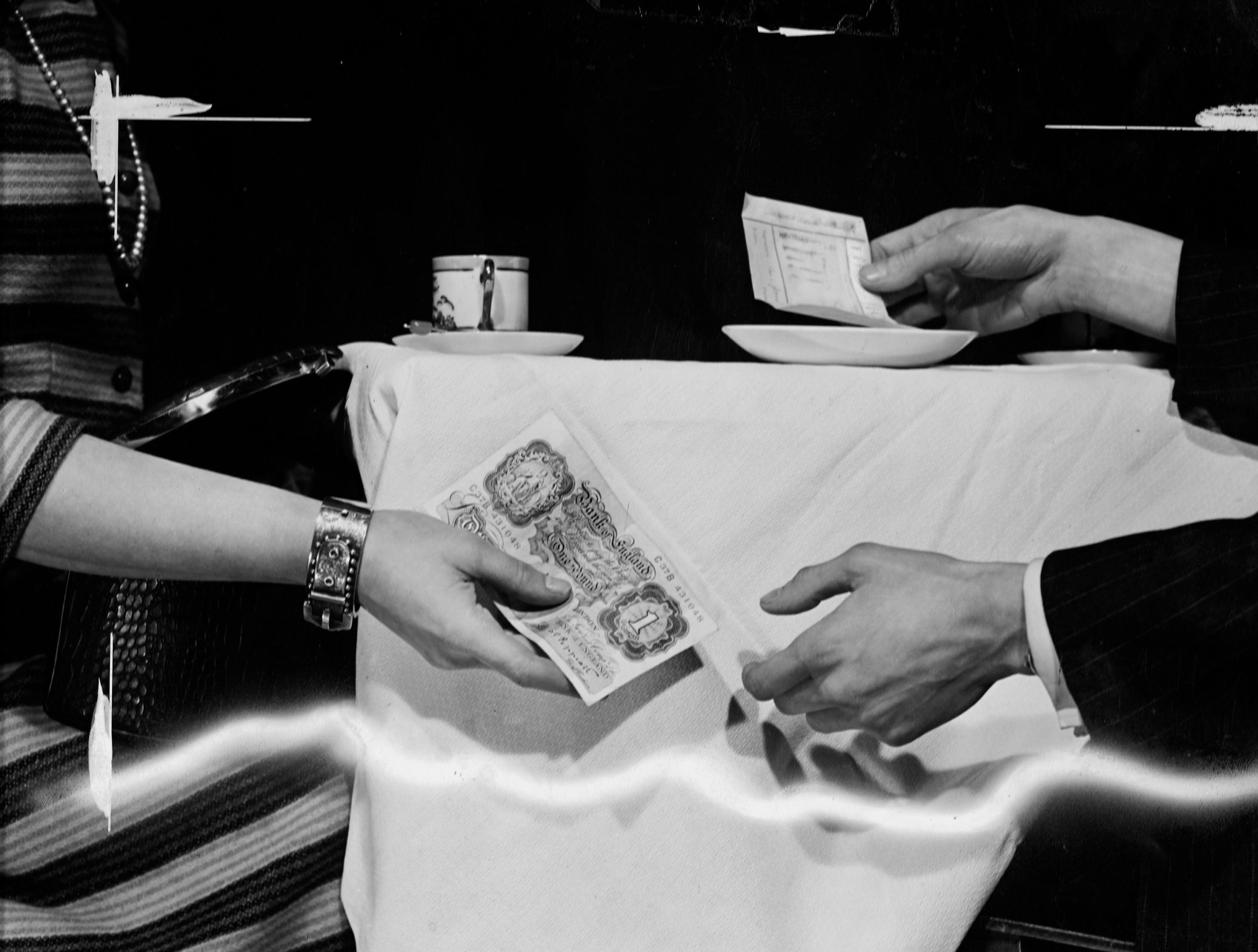
The Sellout On the moral maze of art and money.

  • Words Salome Wagaine
  • Photograph Picture Kitchen / Alamy

Before he received the 2016 Nobel Prize in Literature “for having created new poetic expressions within the great American song tradition,” Bob Dylan, famed musical icon of the 1960s countercultural movement, worked on a campaign with lingerie brand Victoria’s Secret. The collaboration surprised many at the time, even prompting news features and articles. Could a folk-rocker walk among the angels and still retain his integrity? 

Selling out is an accusation that is only leveled at certain artists. One Direction, Cher and Stephen King are immune from such critique. The notion of a sellout relies on the belief that particular artists owe something to their audiences or wider community; something that is incompatible with certain forms of commercial success. A change in style could be considered selling out, by switching your self-penned confessional folksy ballads for a synth-heavy pop sound, for instance, or by eschewing the art house cinema that built your reputation to direct a superhero movie. 

The most serious accusations are political: consider the band Queen performing in apartheid-era South Africa. Of all the musical acts who played the Sun City resort in the 1980s, including Dolly Parton, Elton John and Liza Minnelli, the group faced more lasting criticism for their decision. This was at least in part because of frontman Freddie Mercury’s heritage. Born in Zanzibar to a Parsi family, he had somewhat closer ties to Black South Africans than the other acts performing. That the scrutiny rested on an ethnic identity Mercury did not refer to often in public made the double standard appear particularly unfair. 

Scrolling through Instagram, where paid partnerships sit alongside calls to action, the concept of selling out can feel distinctly 20th century. When even activists have sponsorship deals, commercial partnerships don’t carry the stigma they once did. Yet audiences demand authenticity like never before. To denigrate a popular figure’s legitimacy—whether a cook or an author—you need only call their work “inauthentic.” Artists succeed by representing their personal brand and the companies with whom they work. Nowadays, they lose legitimacy less through political inconsistency and proximity to wealth, than by failing to portray a genuine version of themselves.

FREE PREVIEW

Take a look inside Issue Sixty

You are reading a complimentary story from Issue 43

Want to enjoy full access? Subscribe Now

Subscribe Discover unlimited access to Kinfolk

  • Four print issues of Kinfolk magazine per year, delivered to your door, with twelve-months’ access to the entire Kinfolk.com archive and all web exclusives.

  • Receive twelve-months of all access to the entire Kinfolk.com archive and all web exclusives.

Learn More

Already a Subscriber? Login

Your cart is empty

Your Cart (0)