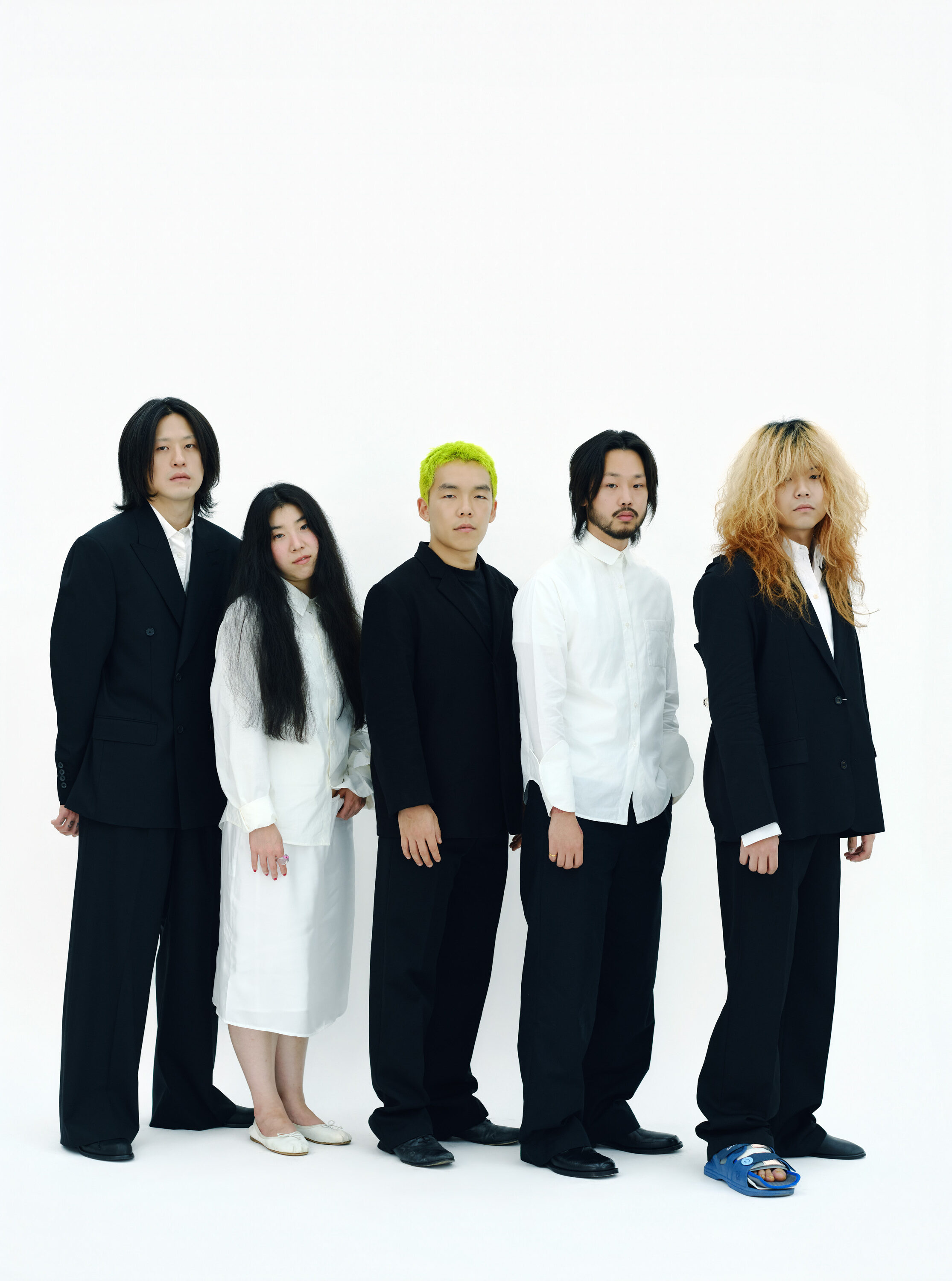
Torrey Peters The Detransition, Baby author is living her best life.

Torrey Peters The Detransition, Baby author is living her best life.

  • Words Jenna Mahale
  • Photograph Camila Falquez

( 1 ) Peters read the work of divorced cis women prior to writing her novel and noted the parallels between their experiences post-marriage and those of trans women: Both are obliged to start over again—to reassess who they are and be honest about how they want to live—at a point in life where identity is presumed to be well-established.

Torrey Peters has never written with her detractors in mind, and she doesn’t plan to start just because her debut novel, Detransition, Baby, is now a bestseller. “I think it’s very important to not write defensively,” she says, reflecting on how the book was at risk of being weaponized as a transphobic talking point. “I’m conscious about who I choose as my audience, but I’m not conscious about thinking of all the ways that bigots could twist my words.” 

In the novel, hot trans girl protagonist Reese has grown weary of the chaotic social life she leads and starts to consider entering a co-parenting setup with her ex, Ames, who has detransitioned after living as a trans woman and is now having a baby with a cis woman—also his boss—named Katrina. Peters’ emotionally intelligent comedy of manners has won near-universal praise since its January release, landing a spot on the Women’s Prize for Fiction longlist as well as a forthcoming Shondaland TV adaption. Now, the author splits her time between a secluded cabin in Vermont and her colorful Brooklyn apartment. She calls me from the latter when we speak—about truth in fiction, her future writing and fiddlehead ferns. 

JENNA MAHALE: Have you always wanted to be a writer?

TORREY PETERS: In my adult life, I was. But I wasn’t one of those kids who grew up being like, “I’m going to be a writer.” What I have always been more of is a reader. And the writing was a natural outgrowth of how much time I spent reading. When I started college, I took a writing class for fun and found that I had internalized a lot of the rhythms of narrative without ever really studying it or reading it. And the idea of the sort of pleasure that reading had given me being something that I could offer to other people slowly grew. 

JM: You’ve spoken about the importance of “telling hard truths” through fiction. Which authors or works do you look to for expertise in that sense?

TP: I think that Elena Ferrante’s Neapolitan series hits that level of urgency, that level of ferocity. Eve Babitz did it in her first book in a delightful way. Thomas Bernhard, in how angry he was about art and Austria, wrote Woodcutters and The Loser—that was unbelievable truth telling, just so incredibly bracing.

JM: I read that you roast your own coffee. Do you have any other secret foodie habits?

TP: I’ve recently discovered that the KitchenAid stand mixer has a pasta attachment. If you make a big batch of dough—maybe two or three cups—you can make a personal-sized fresh pasta meal in the same amount of time it takes you to make a sandwich. Of course, you have to buy a KitchenAid stand mixer first. But for me, it’s just the price of six dinners in an Italian restaurant over the course of my life.

JM: What’s the best meal you’ve made yourself recently?

TP: I spend a lot of time in an off-grid cabin up in Vermont. We have no running water, and our electricity is solar so it can’t run any appliances. So I’ve been learning meals that I can cook over one burner, oftentimes with just local ingredients. And the other week, I made a fiddlehead pizza. Fiddlehead ferns are so good. They taste sort of like asparagus, but fresher, I think. 

JM: Do you see that retreat into nature as an important part of your writing process?

TP: It’s provided a very balancing contrast to my life in Brooklyn in the last year or so. But [in terms of writing] it’s more incidental. I’ll spend two or three hours cutting or clearing trees; the whole time I’m thinking about projects that are in my head, but I’m not worrying about talking with agents or anything. So much of the writing process for me is about getting space, to let the insights sort of trickle in, and have your subconscious do work for you. The cabin is about letting my brain breathe so that when it’s time to type, there’s gas.

JM: The dedication in Detransition, Baby was to “divorced cis women”—who or what do you think your next novel will be an homage to?1

TP: I don’t know right now, but by the time it’s published I would like to be able to have a very pithy idea of who I want to read it, and then the audience can grow from there. [My next novel] has to do with money, and the ways that we relate to money in terms of identity, the ways that money offers access to power and how you can speak through and about identity in order to get access to power. 

( 1 ) Peters read the work of divorced cis women prior to writing her novel and noted the parallels between their experiences post-marriage and those of trans women: Both are obliged to start over again—to reassess who they are and be honest about how they want to live—at a point in life where identity is presumed to be well-established.

FREE PREVIEW

Take a look inside Issue Sixty

You are reading a complimentary story from Issue 42

Want to enjoy full access? Subscribe Now

Subscribe Discover unlimited access to Kinfolk

  • Four print issues of Kinfolk magazine per year, delivered to your door, with twelve-months’ access to the entire Kinfolk.com archive and all web exclusives.

  • Receive twelve-months of all access to the entire Kinfolk.com archive and all web exclusives.

Learn More

Already a Subscriber? Login

Your cart is empty

Your Cart (0)