What Are You Working On?Nicolaj Thomsen: from soccer to fashion—and back.
What Are You Working On?Nicolaj Thomsen: from soccer to fashion—and back.
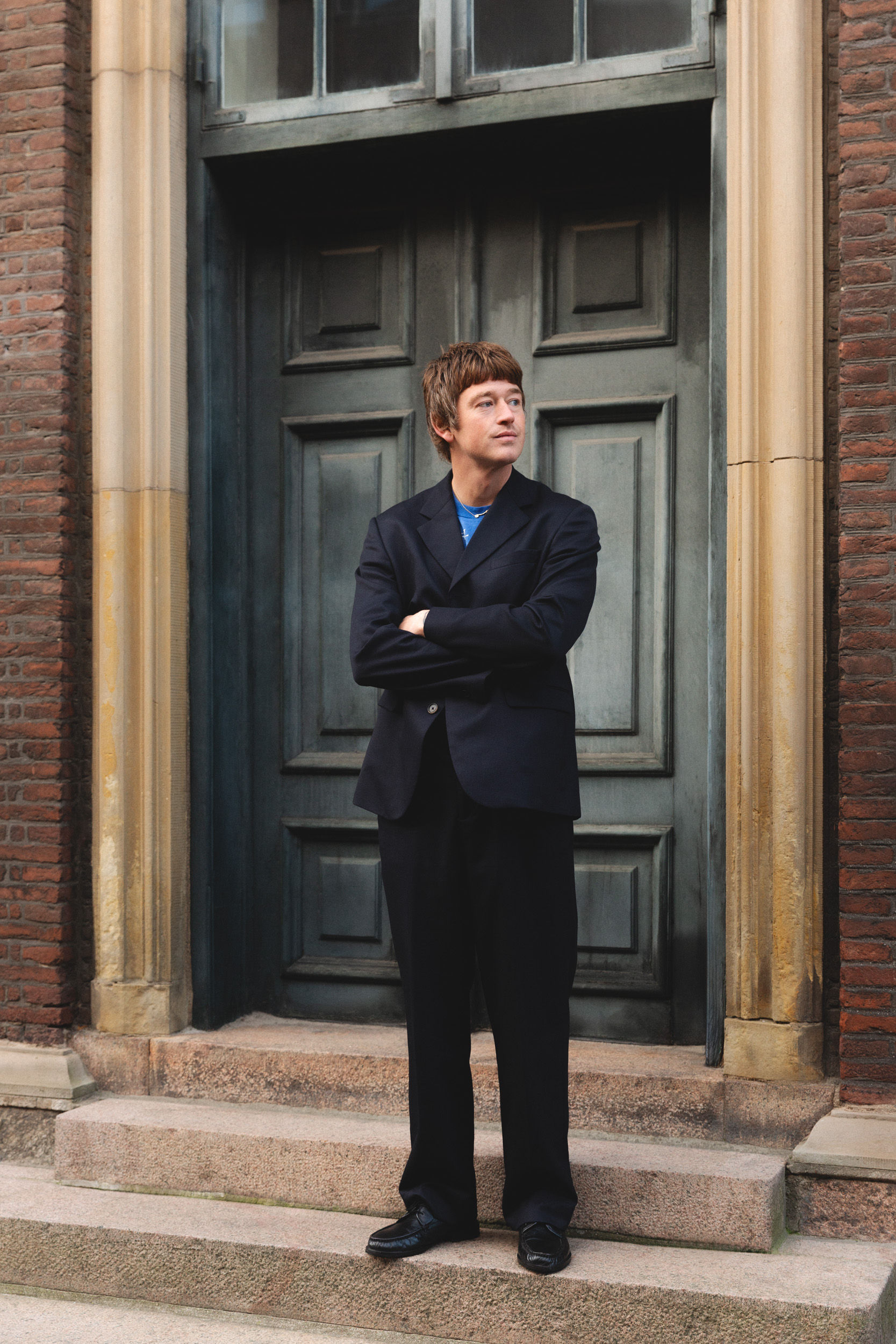
Copenhagen’s creative scene has its fair share of crossovers, but few feel as surprising as Nicolaj Thomsen—a professional soccer player since the age of 17. In 2019, he co-founded the menswear label Another Aspect, bringing the meticulously honed discipline of the athlete to the fashion world. Now, as he explains, he’s bringing both experiences together in a new role as creative lead of B.93, the century-old soccer club that’s become one of the city’s most unexpected cultural hubs.
Emily Nathan: What made you start a fashion brand in the middle of your soccer career?
Nicolaj Thomsen: In the beginning, football was everything. I built my whole life around it: what I ate, when I slept, who I spent time with. When I moved back to Copenhagen after playing abroad, I suddenly found myself with friends who were students, artists, people with “normal” jobs and a different rhythm. That opened a new world for me. Two of my close friends, Daniel and Anders, were quietly working on what became Another Aspect. At first, I was just the fitting model, and then an investor, but I found it exciting to be part of something totally different. Because of injuries, I had time to sit with them in the studio and give feedback and I slowly became a co-founder. It was a creative outlet and a second identity for me alongside football, rather than a replacement for it.
EN: How does your new creative leadership role at B.93 bring these two worlds together?