cktrlAn interview with the saxophonist.
cktrlAn interview with the saxophonist.
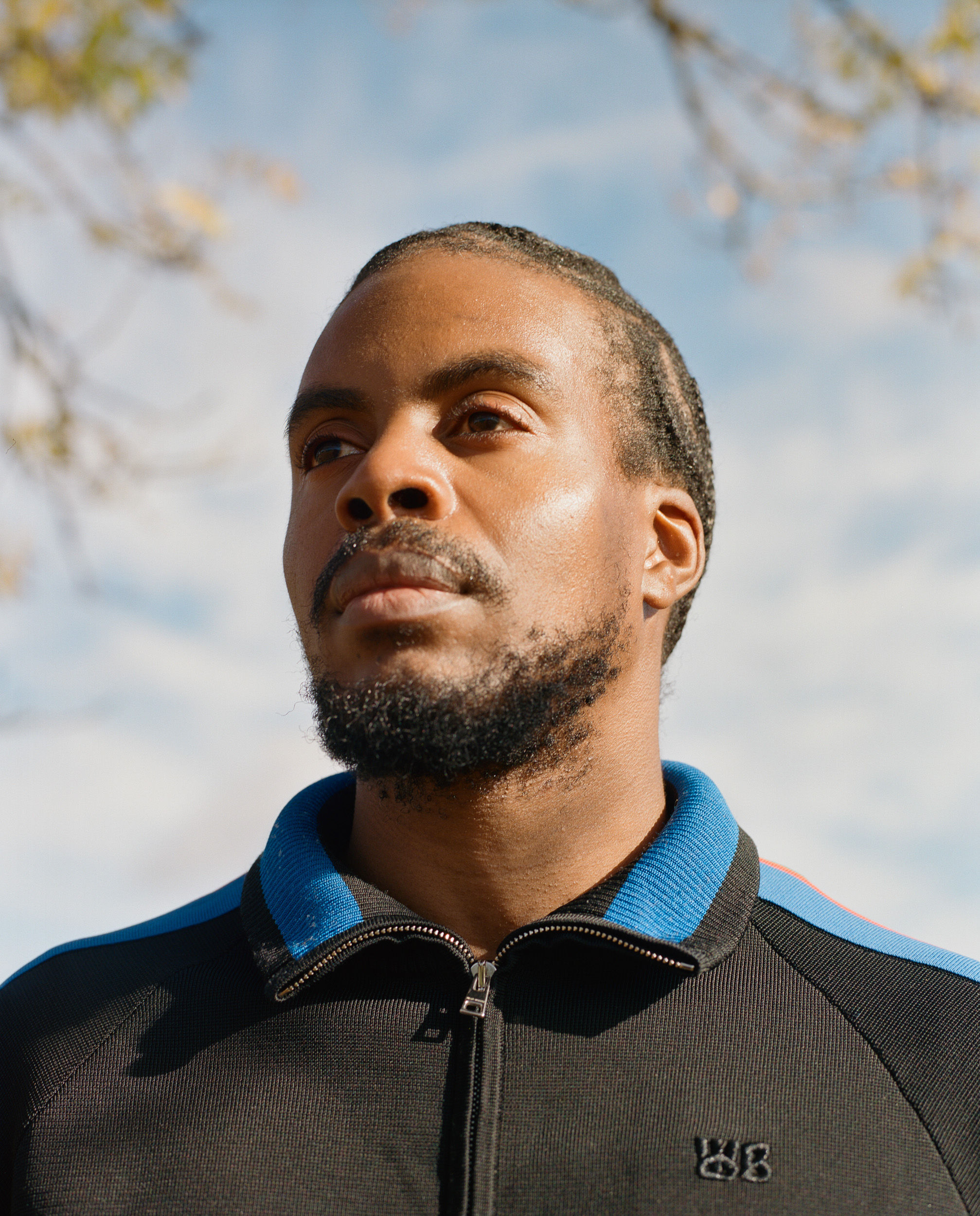
The multi-instrumentalist and composer cktrl has been celebrated for his stirring, expressive music since the release of his 2020 track, “Robyn.” When we meet to speak, he jokes that his mouth is still a little sore from playing so many concerts. The Londoner, whose real name is Bradley Miller, recently released his debut album, Spirit, and has been performing back-to-back shows, witnessing in real time how his arresting, plaintive, saxophone-led songs move people.
Tara Joshi: When did you first start playing music?
cktrl: Growing up in [the London Borough of] Lewisham, we had a really good music program—our instruments were free, our lessons were free. We had assemblies in primary school where someone would come in and show us different instruments. It became another subject at school for me, and every Saturday I’d go to Deptford Music Centre for clarinet lessons, saxophone lessons, orchestra, samba, theory, band…
TJ: Did you keep studying music once you finished school?
C: I got into all of the conservatoires, but when I went to the open days, I knew that I didn’t want to study at these institutions. I had a corporate job from 19 to 26 where they weren’t used to young people, let alone a young Black person from inner-city London. It wasn’t easy, and that’s kind of what brought me back to my instruments. If I’d had a shit week at work, I just played in the dark when I got home. After a few weeks, I started recording it.
TJ: Was there a reason you didn’t initially release those recordings?
C: My music is very much for me. It’s always been a balm for whatever I’m going through, so if I’m feeling a certain way I’ll put it on and decompress. I only thought it was appropriate to share “Robyn” during the pandemic, because everything had stopped and people could lock in in a different way.
TJ: What else do you listen to when you’re feeling that way?
C: Studio One and early roots music have been a constant in my household from when I was really young—the spirit of that music is charged in a different way. If I’ve got a lot going on, I play that and it gives me a kind of peace.
TJ: Is that why your new album is called Spirit?
C: That’s part of it, but the journey of the self is also in there—how you rely on yourself to get through stuff. It’s about when we need spirit, what spirit does, how it moves through us; how we can count on our own spirit and the spirit of our community to overcome things. It can also be as basic as doing two more reps in the gym; you find spirit there to get it done.
TJ: Do you feel vulnerable when other people listen to your music, because it comes from such a personal place, or is that less of a concern with instrumental music?
C: Instrumental music is so powerful to me because it may be deeply personal for the person who made it, but it allows listeners to center themselves. When I talk to people after my shows, they tell me everything they’ve been experiencing and how listening to my music is able to help. That’s the most rewarding thing for me. You can’t really do that with lyrics, because you’ll relate to a certain extent but then you try to annex that to your experience in some way. With an instrumental piece it’s just about the listener from start to finish, which I think is more important.