GardenAn ode to the summer strawberry.
GardenAn ode to the summer strawberry.
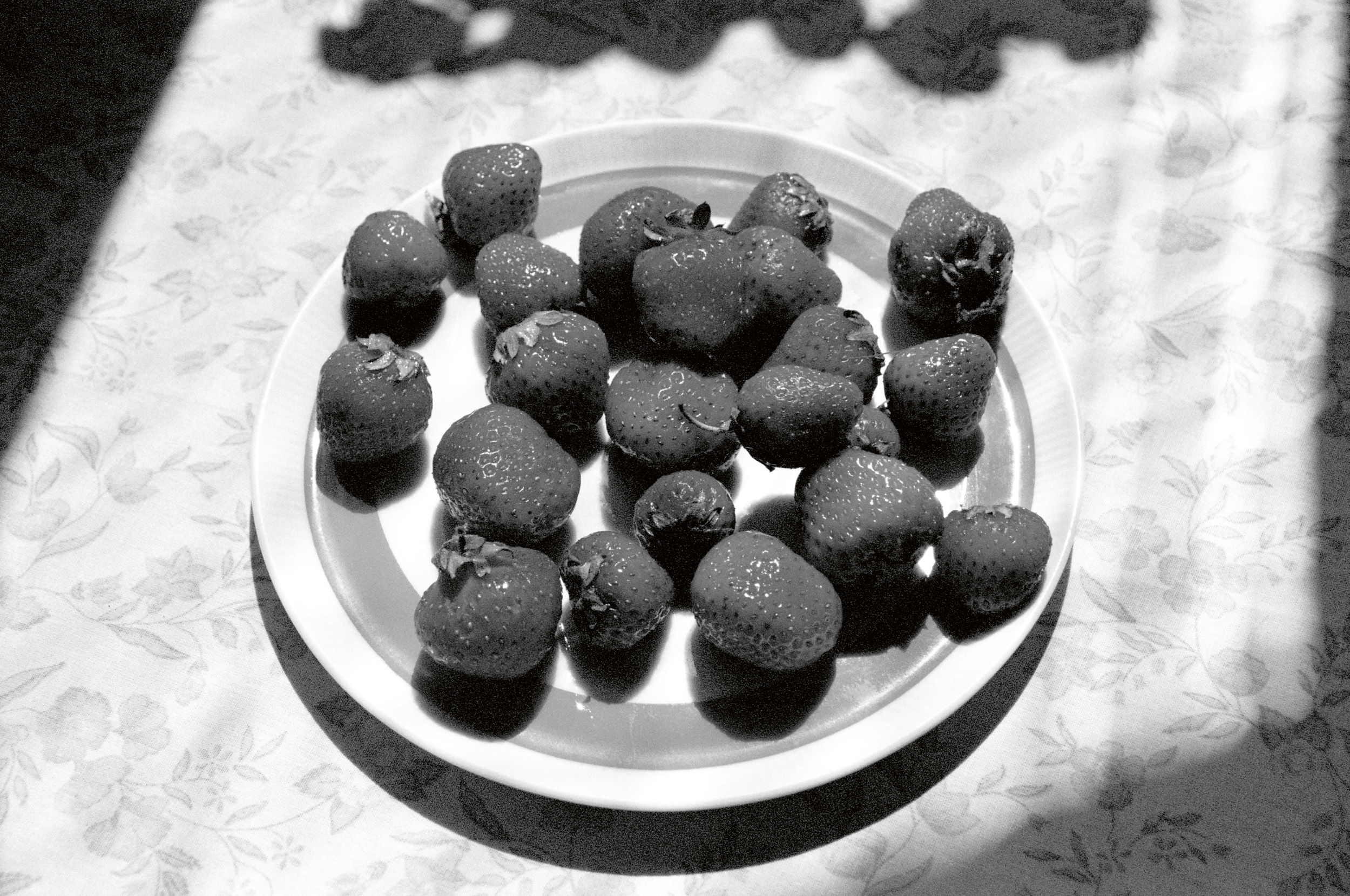
In his second summer out in the world, my son sat in the community garden strawberry patch and gorged. I had planted the patch two winters before; with a baby on the way, a strawberry patch suddenly became nonnegotiable.
That winter I ordered the young plants, known as runners, from an organic nursery. We prepared a 3-by-16-foot bed using the no-dig method and planted them about a foot apart. They produced only a modest crop in their first summer, but by their second had found their feet, and we harvested all through June.
At home, my strawberry patch contains plants given to me by my late mother-in-law from her own garden some five years ago. They have spread into the paths, and each year produce more fruit, a living reminder of her generosity. The sun beats down on my back as I weed, warming and comforting. I watch my little one maneuvering fruit toward his mouth. A bumblebee drones past.
Like all aggregate fruits, strawberries are especially vulnerable to the decline in insects caused by industrial farming and habitat loss. For a strawberry to form properly, each flower may need to be visited up to 15 times by pollinators. Crops like wheat and rice rely largely on the wind; strawberries depend on living helpers.