TravelTo know a city, breathe it in.
TravelTo know a city, breathe it in.
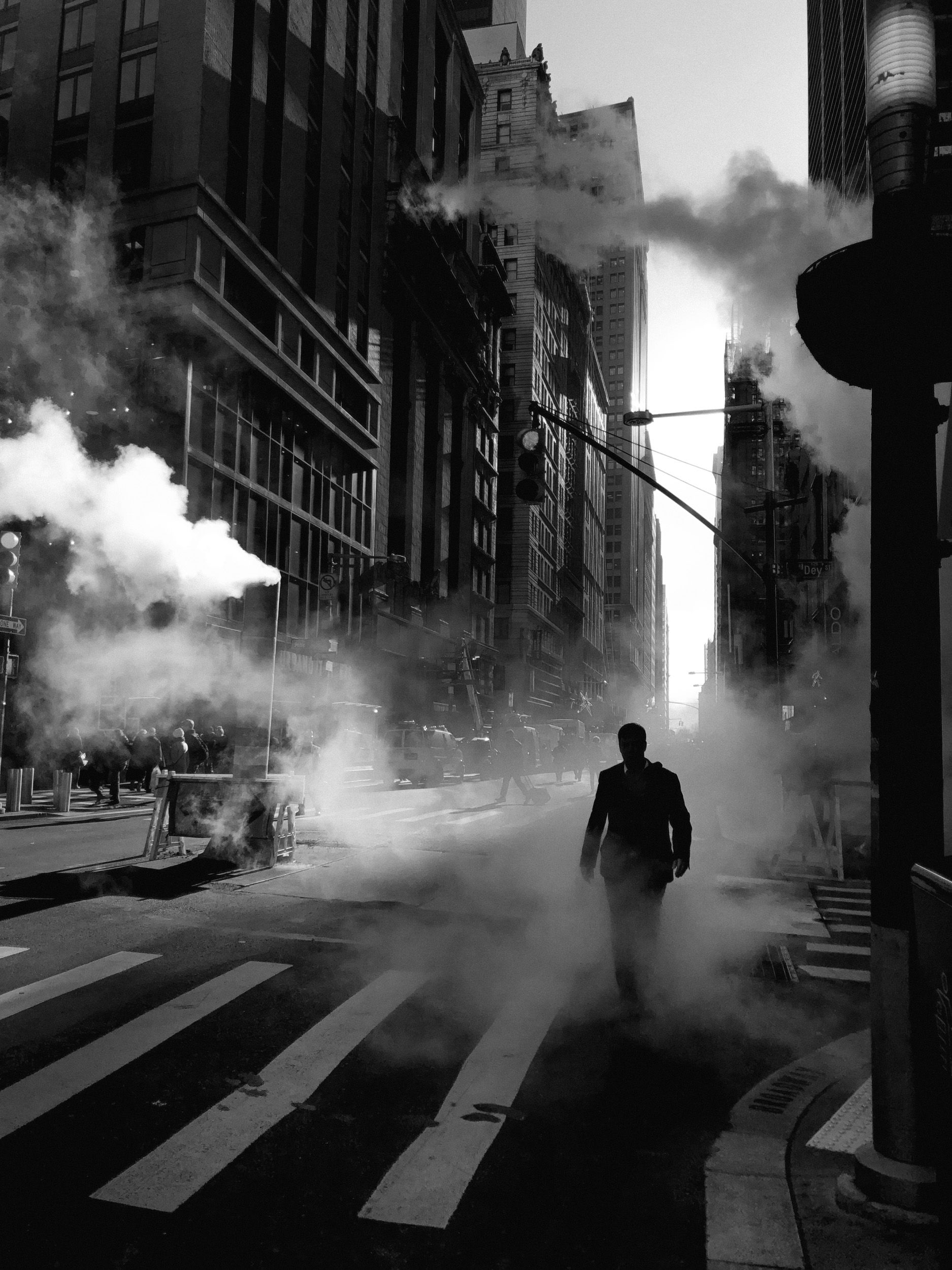
Every city stinks, but no two cities stink in exactly the same way. It’s not just how the different smells, pleasant and putrid, muddle together, but also how different noses experience them. No sense is as subjective as smell, and neither is anything such a potent trigger for memories—or as hard to capture. Unlike sight, sound and even taste, the scent of a city is something that cannot be experienced through vacation pics or recreated in your kitchen: You had to be there.
A city’s odor evokes something of its essence and can offer a window into its past. Reflecting on the almost total transformation of Hong Kong, the city in which he grew up in the ’60s, the writer John Lanchester marvels at how it nevertheless smells the same today. The main aromas, he writes, emanate from its harbor: “fish, oil, fish oil, live things and dead things; a humid, tropical, unmistakable smell.” Walk through the streets of Sheung Wan or the island village of Cheung Chau, and you’ll still encounter the pungency of dried shrimp, scallops and sheathlike fish maw. It’s an old smell, one you would have experienced on these shores three hundred years ago.
Marseille, on the other hand, doesn’t smell quite like it did a hundred years ago, when Walter Benjamin described the storied port city as smelling like “the yellow-studded maw of a seal with salt water running out between the teeth . . . it exhales a stink of oil, urine, and printer’s ink.” The printers have gone, the cargo ships now dock farther down the coast and sanitary, kiosk-like toilettes publiques dot the streets around the old port. But not all challenging olfactory experiences have been expunged: Step through a doorway on a narrow street near the central train station, as I once did, and you might be choked by the perfume of chicken manure and warm feathers, emanating from cages packed with live poultry.
Lanchester and Benjamin both, to some degree, write as outsiders, and it is perhaps the attentive visitor, or returning former inhabitant, who most keenly notices the scent of a city. Residents become habituated to the peculiarities of their environment; only the traveler is able to truly breathe it in. The next time you’re somewhere new, take a moment to let the city’s perfume swirl around you. You’ll acquire the most potent souvenir.